
How Much Does an 8-Day South Island Campervan Road Trip Cost?
If you’re looking for a unique way to roadtrip Down Under, try renting a campervan!

Road-tripping through New Zealand in a campervan remains one of the most memorable ways to explore the South Island.
With your transport, accommodation and basic cooking facilities combined into one vehicle, you can move between alpine lakes, mountain towns and national parks without constantly packing and unpacking.
Here's how much it would cost in 2026.
Campervan Rental
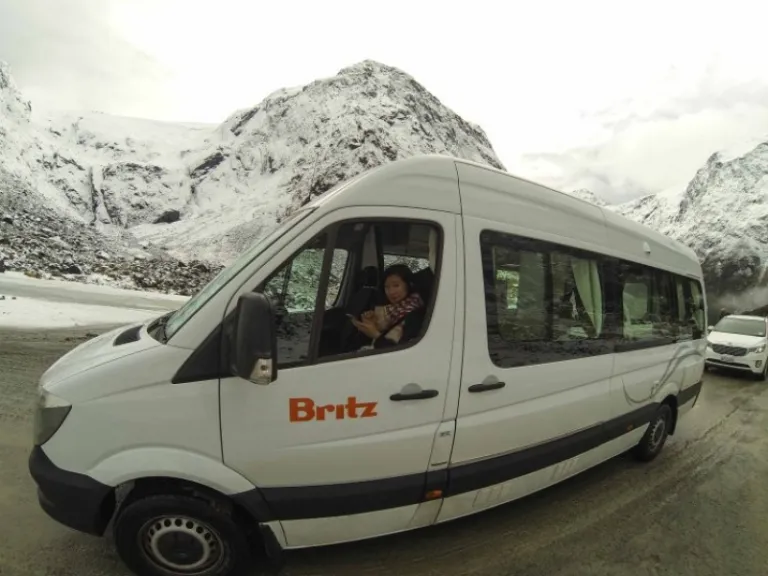
Campervan hire will usually be the largest expense.
Rental prices vary according to the season, vehicle size, pickup and drop-off locations and how early you book. Summer rates can be almost twice as high as winter rates, while one-way journeys may attract an additional relocation fee.
A compact two-berth campervan is generally cheaper than a larger motorhome with a fixed bathroom, kitchen and separate living space. However, couples travelling in winter may appreciate a vehicle with reliable heating that can operate when the engine is switched off.
Before choosing the cheapest option, compare what is included. Look for:
Bedding and towels
Kitchen equipment
Heating
Unlimited kilometres
Additional-driver fees
One-way fees
Road-user charges
Cleaning requirements
Camping chairs and tables
Snow chains during winter
New Zealand’s official tourism guidance recommends booking well in advance, particularly for summer and other busy travel periods. Campervan prices can change substantially between seasons and operators.
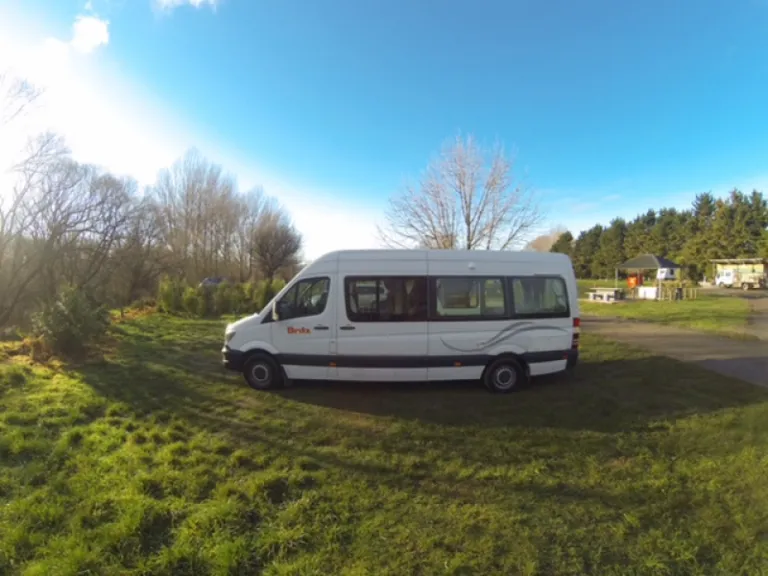
Literally woke up to this on the first night, freedom camping at its best
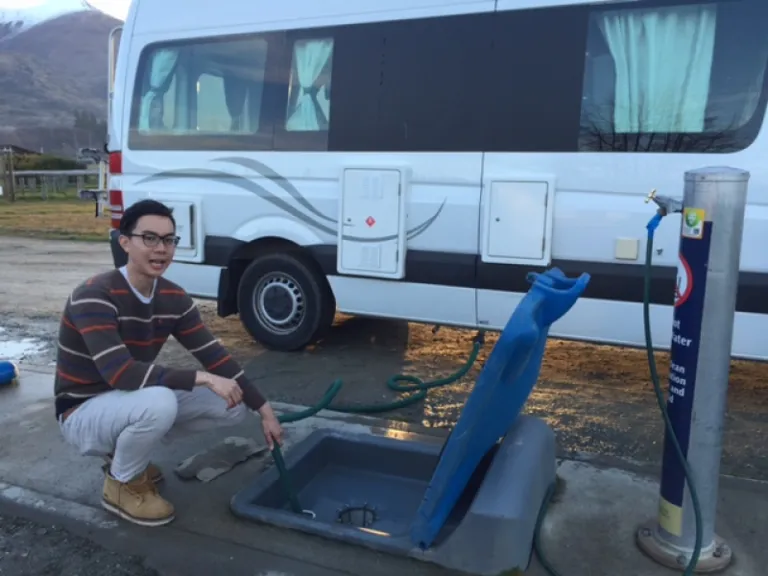
Renting a campervan comes with hands on session for sure
Insurance and liability reduction
Standard campervan bookings usually come with a relatively high excess, meaning the renter may be responsible for several thousand dollars if the vehicle is damaged.
Rental companies commonly offer daily liability-reduction packages that lower this excess. These can add a significant amount to the final bill, but declining them may require a large credit-card bond.
Check whether the policy covers common campervan problems such as:
Windscreen and tyre damage
Single-vehicle accidents
Roof and underbody damage
Damage caused while reversing
Towing and recovery
Lost keys
Incorrect fuel use
Travel insurance may provide some rental-vehicle excess cover, but do not assume it replaces the campervan company’s policy. Read both sets of terms carefully.
Diesel, petrol and road-user charges
The amount spent on fuel depends on the vehicle, route and driving style.
Large campervans consume considerably more fuel than small cars, particularly on steep or winding roads. A route from Christchurch through Lake Tekapo, Aoraki/Mount Cook, Wānaka, Queenstown and Milford Sound can easily exceed 1,200 kilometres once local detours are included.
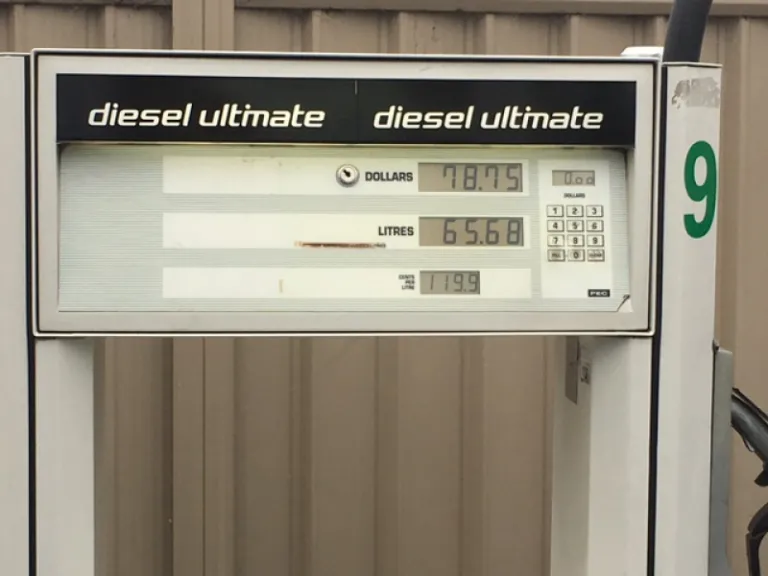
Diesel may appear cheaper than petrol at the pump, but diesel vehicles are also subject to road-user charges, commonly known as RUC. These are calculated according to distance travelled rather than included entirely in the fuel price.
Rental companies handle RUC in different ways. Some include an allowance in the hire rate, while others charge according to the kilometres driven when the vehicle is returned. Confirm the method before booking so the final bill does not come as a surprise.
You may also need to refill the LPG bottle used for cooking, heating or hot water, depending on the rental agreement.
Freedom camping and campgrounds
Freedom camping does not mean travellers can park overnight anywhere they choose.
Councils and the Department of Conservation may prohibit camping entirely, restrict it to designated areas or require vehicles to be certified self-contained. Signs at each location take priority.
From 7 June 2026, a campervan must display a valid green self-containment warrant when staying in areas reserved for certified self-contained vehicles. The vehicle must meet the newer standards, including having a fixed toilet rather than relying on a portable one.
Even with the correct certification, travellers must still check the rules for every overnight stop.
Paid accommodation options include:
Holiday parks
Holiday parks generally provide powered sites, showers, toilets, kitchens, laundry facilities and dump stations. They are useful every few nights for charging batteries, emptying waste tanks and refilling fresh water.
Prices vary considerably by destination and season. Queenstown, Wānaka and other major tourism centres tend to cost more than smaller towns.
Department of Conservation campsites
DOC operates campsites ranging from basic remote sites to larger serviced campgrounds. Facilities and fees differ, and some popular sites require advance reservations.
A DOC Campsite Pass may offer value for longer trips, although exclusions and booking conditions apply.
Designated freedom-camping areas
Some councils provide free or low-cost overnight parking for eligible vehicles. These sites may have limited spaces and basic facilities, and maximum-stay limits usually apply.
Always arrive with an alternative plan in case the area is full or overnight camping is prohibited.
Food
Cooking inside the campervan can significantly reduce the overall budget.
Major supermarkets such as Pak’nSave, Woolworths and New World are useful for stocking up before entering smaller tourism towns, where the choice may be narrower and prices higher.
Plan simple meals that use overlapping ingredients. Pasta, rice, eggs, bread, soup, vegetables and ready-to-cook proteins are easier to manage in a compact campervan kitchen than elaborate recipes requiring several pans.
Remember that refrigerator and storage space may be limited. When staying away from powered campsites, microwave ovens and standard electrical sockets may not work unless the vehicle has an appropriate battery or inverter system.
Eating out occasionally still adds variety. Budget more for restaurants in Queenstown and other major visitor destinations, while bakeries, takeaway shops and supermarket meals can keep costs manageable.
New Zealand generally does not have a compulsory tipping culture, and listed menu prices usually include the country’s Goods and Services Tax.
Activities
Activities can quickly overtake food and campsite costs.
Queenstown alone offers gondola rides, luge tracks, jet boating, bungy jumping, ziplining, skydiving and scenic flights. Elsewhere along the route, travellers may add a Milford Sound cruise, hot-pool session or guided glacier experience.
Choose the experiences that matter most rather than trying to do everything.
Many of the South Island’s greatest attractions are free, including:
Walking beside Lake Tekapo
Visiting the Church of the Good Shepherd
Exploring Aoraki/Mount Cook National Park
Walking along the Wānaka lakefront
Visiting scenic lookouts
Exploring Queenstown Gardens
Driving through Fiordland when conditions allow
The original article’s cost total excluded sponsored activities such as Ziptrek Queenstown and a Milford Sound cruise. Those experiences should be included when calculating a realistic personal budget.
Mobile data and connectivity
Compare an international roaming package with a local New Zealand SIM or eSIM before travelling.
Mobile coverage is generally reliable in cities and towns but can become weak or disappear completely in national parks, mountain passes and remote sections of Fiordland.
Download offline maps, campground details and booking confirmations in advance. Do not rely entirely on mobile reception for navigation or emergency information.

Ziptrek Queenstown, located at the top of the gondola
Suggested eight-day route
Day 1: Christchurch to Lake Tekapo
Collect the campervan, complete a supermarket shop and drive towards Lake Tekapo.
Allow time to learn how the vehicle’s electrical system, water tanks, toilet, heating and LPG appliances work before leaving the rental depot.
Day 2: Lake Tekapo to Aoraki/Mount Cook
Continue towards Aoraki/Mount Cook National Park, stopping at viewpoints around Lake Pukaki.
Walk only on trails that are open and suitable for the current conditions.
Day 3: Aoraki/Mount Cook to Wānaka
Drive through the Mackenzie Basin and over Lindis Pass towards Wānaka.
This is a long scenic drive, so avoid overloading the day with too many additional stops.
Day 4: Wānaka
Spend a full day around the lakefront, walking trails or nearby attractions.
Travellers visiting in winter should monitor snow and ice conditions, particularly before attempting mountain routes.
Day 5: Wānaka to Queenstown
Drive to Queenstown either through Cromwell or across the Crown Range.
The Crown Range is New Zealand’s highest main road and can be affected by snow and ice. Between May and September, drivers may need to carry chains and know how to fit them.
Day 6: Queenstown
Choose one or two paid activities and allow time to explore the town and lakefront.
Book a powered site if the campervan requires recharging, water refilling or waste disposal.
Day 7: Milford Sound day trip
Driving from Queenstown to Milford Sound and back creates an extremely long day.
An alternative is to stay overnight in Te Anau before or after the cruise. This shortens the journey and gives more flexibility if Milford Road is affected by weather.
Check road conditions before departing, particularly during winter.
Day 8: Return the campervan in Queenstown
Allow enough time to refuel, refill LPG if required, empty the toilet cassette, dispose of wastewater correctly and complete the return inspection.
Late returns and incomplete cleaning or waste disposal may attract additional charges.
Winter driving considerations
New Zealand roads can be narrow, winding and slower than their distances suggest.
During winter, black ice, snow, heavy rain and road closures can disrupt even well-planned itineraries. Black ice is especially difficult to see and is common around waterways, shaded roads and colder inland areas.
Drive more slowly than usual, leave a larger following distance and avoid sudden braking or steering.
Check official road conditions each morning and build spare time into the itinerary. Never continue along a closed road or ignore instructions requiring snow chains.
So, how much should you budget?
There is no single reliable total because campervan rates and activity prices vary enormously by season.
A realistic budget should account for:
Campervan rental
Liability reduction or insurance
One-way fees
Fuel
Road-user charges
LPG
Holiday parks and DOC campsites
Groceries and meals
Attractions and tours
Mobile data
Parking
Travel insurance
A contingency fund for weather disruption
Travelling as a couple helps divide the vehicle and campsite costs, but an eight-day South Island campervan trip should no longer be marketed as an easy NZ$900 holiday.
The best approach is to obtain a current campervan quote first, map the expected distance and then add every optional fee before booking.
A campervan journey may not be the cheapest way to cross the South Island, but the freedom to cook beside a lake, wake up beneath the mountains and change plans as the weather shifts remains difficult to beat.
Originally contributed by: The More I Travel; Edited in 2026

About Author

Bryan is the author of <a href="http://themoreitravel.com/">The More I Travel</a> . He shares his travel writings and photography with individuals from all over the world. He travels for food, culture and view of the world. His favourite travel philosophy is 'Travel for the Journey, not the Destination'.