
Nepal Flash Floods 2026: Is It Safe to Travel to Nepal Now?
Our deepest condolences go to the family and victims.

The disaster struck on the morning of 26 Aug 2026, sending a powerful wall of water, mud, boulders and glacial debris through mountain communities and river valleys. Entire settlements were swept away, while roads, bridges, vehicles and hydropower infrastructure were buried or destroyed.
At least 157 people have been confirmed dead in Nepal, while China reported three deaths in neighbouring Gyirong County in Tibet. More than 400 travellers were also reported missing on the Nepalese side, including around 340 foreign nationals. China separately reported 265 people missing in Gyirong. Here is what travellers need to know about the affected areas, current disruptions and official travel guidance.
What caused the Nepal flash floods?
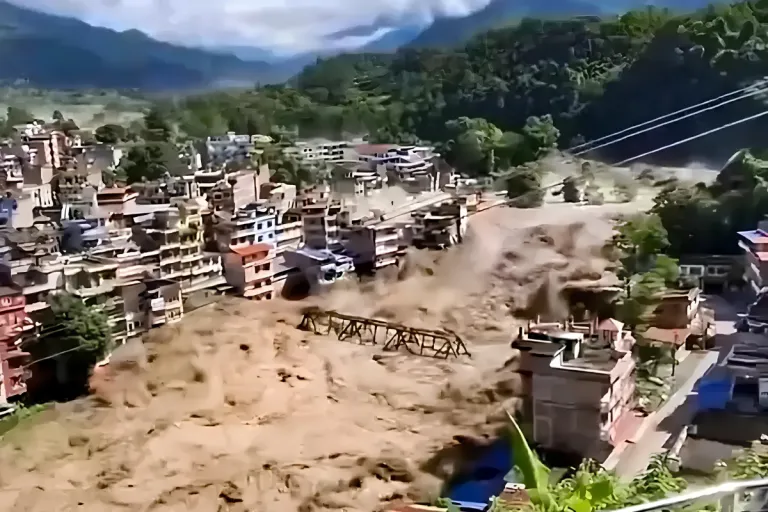 Initial reports suggested that a magnitude-4.4 earthquake may have triggered an avalanche and the subsequent flooding. Further scientific analysis, however, found that no earthquake had occurred.
According to the US Geological Survey, the seismic energy detected that morning was generated by a massive glacial collapse and debris flow. Satellite images indicate that part of a glacier broke away at an elevation of around 5,200 metres before plunging approximately 1,200 metres onto the valley floor.
The impact created an ice-rock avalanche that entered the Lhende River, around 20km north-east of the Rasuwagadhi border crossing. It then sent a debris-filled surge through the Bhote Koshi and Trishuli river systems.
Water levels at Galchhi, further downstream, reportedly rose by as much as nine metres within 30 minutes. Scientists are still investigating what destabilised the glacier. Warm conditions and rapid snowmelt may have contributed, but it remains too early to attribute this particular disaster directly to climate change. Nevertheless, the incident underscores the growing risks associated with retreating glaciers and changing mountain conditions across the Himalayas.
Which parts of Nepal have been affected?
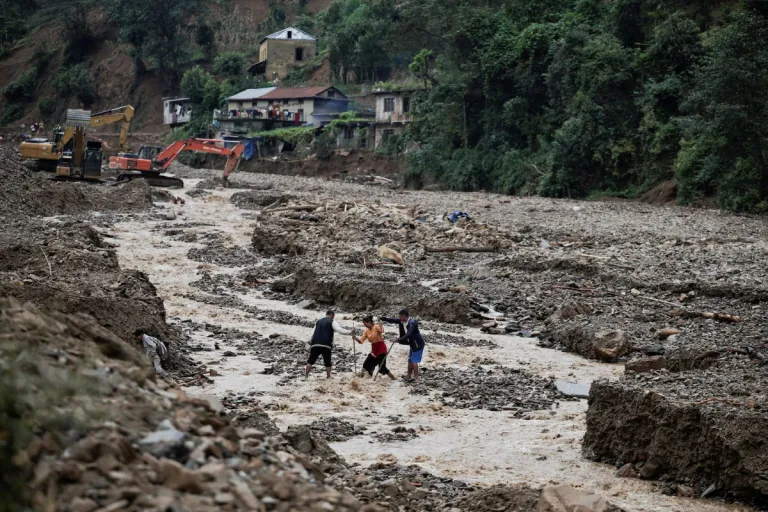 The most serious damage has been reported in Rasuwa, Nuwakot and Dhading, particularly in settlements located along the Bhote Koshi and Trishuli rivers. The Rasuwagadhi-Gyirong border area was also badly affected. This corridor serves as an important land connection between Nepal and Tibet and is used by trekkers, cross-border travellers and pilgrims heading to Kailash Mansarovar.
Many of the missing travellers were believed to be preparing to cross into Tibet when the flood struck. Mount Kailash and Lake Manasarovar are sacred pilgrimage sites for Hindus, Buddhists, Jains and followers of the Bön religion.
Reports indicate that 19 bridges and approximately 40km of roads were destroyed. Gyirong Port also lost road, electricity and communication connections, while damaged hydropower projects disrupted hundreds of megawatts of electricity supply.
The Nepal Tourism Board has advised travellers to postpone visits to affected areas until road and safety conditions improve. Affected or restricted routes include:
Prithvi Highway
Galchhi–Nuwakot–Rasuwa–Syabrubesi road
Muglin–Narayangadh road
Vehicles travelling from Kathmandu towards Rasuwa, Nuwakot, Dhading and Chitwan have also faced restrictions.
Does this mean all of Nepal is unsafe?
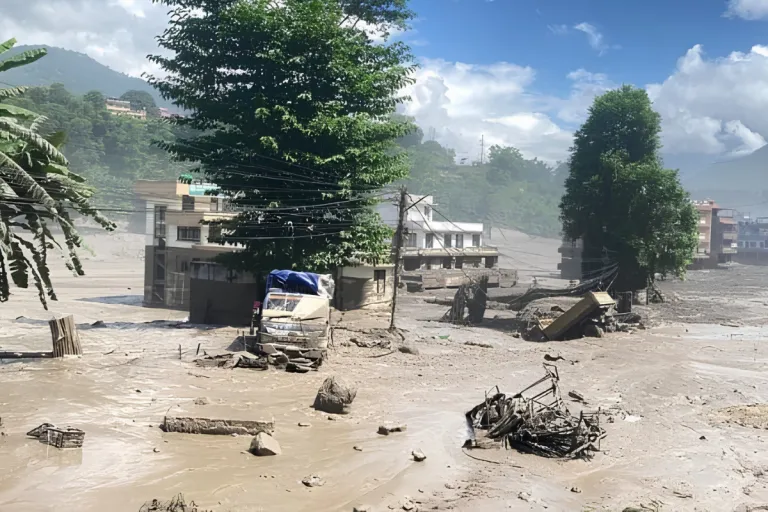 The current warnings are geographically specific rather than a blanket advisory against all travel to Nepal. The worst destruction is concentrated in the northern border region and along affected river systems, but travellers should not assume that an itinerary is unaffected simply because it excludes the Rasuwagadhi border crossing.
Nepal is also in its June-to-September monsoon season, when floods and landslides can disrupt travel elsewhere in the country. Travellers with upcoming trips should check their destinations and transport routes with their airline, hotel, trekking agency or tour operator. Those heading towards the affected border districts or travelling on the Kailash Mansarovar route should postpone their plans until authorities confirm that conditions are safe.
More than 50 Malaysian travellers may be unreachable
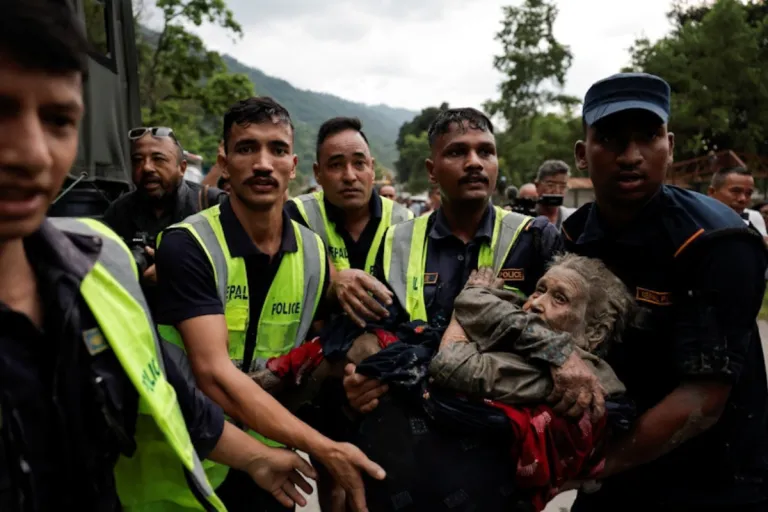 Malaysia’s embassy in Kathmandu initially received reports from travel agencies that contact had been lost with 11 Malaysians believed to be in Rasuwa. Nepalese authorities separately listed 17 Malaysians among those who were unaccounted for. In a later update, Malaysia’s embassy said that families had been unable to contact more than 50 Malaysian travellers.
The differing figures remain under verification. Being unreachable does not necessarily mean that a traveller has been injured or killed, as electricity, mobile communications and road access have been badly disrupted.
Malaysians in Nepal have been advised to remain vigilant, follow local instructions and register or update their details through the e-Konsular portal. Families attempting to locate a Malaysian traveller may provide the person’s passport and travel information to the Malaysian embassy in Kathmandu.
Singapore issues Nepal travel notice
Singapore’s Ministry of Foreign Affairs issued an official travel notice on 27 Aug 2026, advising Singaporeans in Nepal to exercise a high degree of caution.
Singaporeans have been advised to avoid flood-affected areas in:
Rasuwa
Nuwakot
Dhading
Gorkha
Chitwan
Travellers should also stay away from rivers, riverbanks, bridges and low-lying areas. Disruptions to roads, transport, communications and essential services should be expected in affected locations.
Singaporeans travelling to or residing in Nepal are strongly encouraged to eRegister with MFA, purchase comprehensive travel insurance and maintain contact with their families, accommodation providers and tour operators.
What should travellers in Nepal do now?
 Travellers currently in Nepal should avoid flood-affected districts, unnecessary road journeys, riverbanks, bridges, low-lying areas and unstable slopes. They should never attempt to cross floodwater, whether on foot or by vehicle, and should continue monitoring official weather, road and emergency updates. Travellers should also follow evacuation instructions immediately, keep essential documents, medication and supplies within reach, and remain in contact with family members, accommodation providers, guides and tour operators. Those requiring assistance should contact their respective embassy. As an upstream river blockage may still trigger another sudden flood, caution remains essential even where water levels appear to be receding.
Although not every part of Nepal is closed to visitors, the scale of the damage, ongoing rescue operations and risk of further flooding call for caution and flexibility. Journeys to affected districts should be postponed, while travellers heading elsewhere should monitor official advice and prepare for possible transport disruptions.

About Author

Aimi is the ultimate daydreamer with a flair for adventure and an avid novel reader with a soft spot for all things fairytale. She is known for her friendly demeanor, albeit with a bit of a short temper. Forever striving to live her cutesy yet demure life.