
Best Areas to Stay in London: Camden, Kensington, Mayfair & More
A guide to the pros and cons of London’s many districts to help you decide the best area to stay.

London is a sprawling capital made up of distinctive neighbourhoods, each offering a different side of the city. One area might place you within walking distance of royal landmarks, while another surrounds you with independent shops, colourful street art, markets, or nightlife.
With so many options, deciding where to stay in London can feel almost as challenging as planning what to do once you arrive. Your ideal base will largely depend on your budget, travel style, and the attractions you hope to visit.
From Westminster and Kensington to Shoreditch and Camden, here are seven of the best areas to stay in London, along with the main advantages and drawbacks of each.
1. Westminster
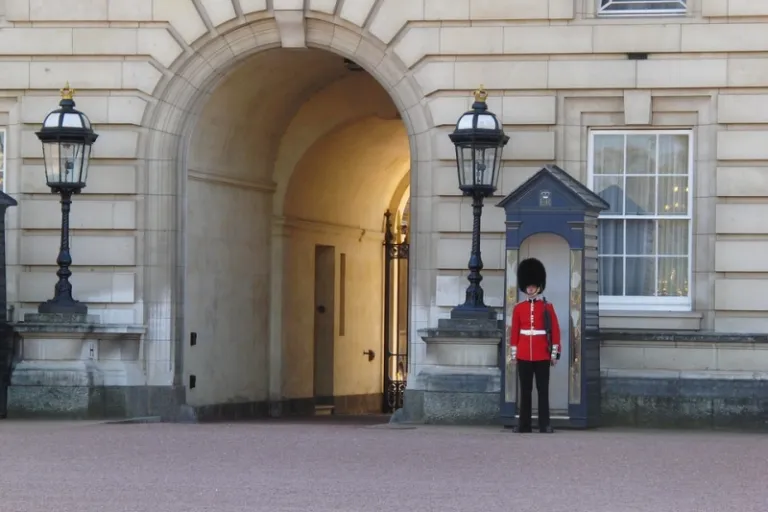
Few areas put you closer to London’s most recognisable landmarks than Westminster. The neighbourhood is home to the Houses of Parliament, Big Ben, Westminster Abbey, and several important museums and galleries. Buckingham Palace, St James’s Park, and Trafalgar Square are also within easy reach.
Its central location makes Westminster especially convenient for first-time visitors hoping to cover many major sights without spending too much time travelling across the city. However, accommodation near its best-known landmarks can be expensive, and the area becomes particularly busy during peak sightseeing hours.
Who should stay in Westminster?
First-time visitors
Families
History enthusiasts
Travellers prioritising sightseeing
Luxury travellers
Pros
Close to many of London’s most famous landmarks
Excellent Underground and bus connections
Easy to explore on foot
Convenient for short visits
Cons
Accommodation can be expensive
Busy during the day
Some streets become noticeably quieter after offices and attractions close
2. Kensington
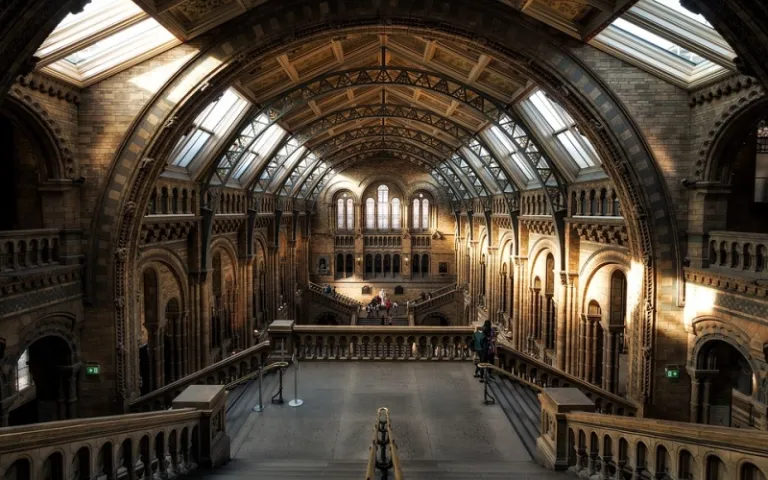
Kensington is an excellent choice for travellers interested in museums, elegant architecture, and a more relaxed atmosphere. South Kensington is home to the Natural History Museum, Science Museum, and Victoria and Albert Museum, while Kensington Palace and the green spaces of Kensington Gardens lie farther north.
The neighbourhood also offers restaurants, cafés, shops, and hotels ranging from practical properties to luxury stays. Although it is well connected to central London, prices can be high, particularly around South Kensington, High Street Kensington, and Knightsbridge.
Who should stay in Kensington?
Families
Museum lovers
Luxury travellers
Travellers seeking a quieter central base
First-time visitors
Pros
Close to several major museums
Attractive streets and architecture
Good Underground connections
Near Hyde Park and Kensington Gardens
Plenty of restaurants and accommodation options
Cons
Generally expensive
Nightlife is more subdued than in Soho or Shoreditch
Some attractions are spread across a relatively large area
3. City of London

The City of London combines glass skyscrapers and historic streets within the capital’s traditional financial district. Visitors can stay close to St Paul’s Cathedral, the Museum of London, the Monument, and riverside walks along the Thames. The Tower of London and Tower Bridge are also easily accessible from its eastern side.
The City is particularly convenient for business travellers, though tourists may also appreciate its strong transport links and proximity to attractions. It is busiest on weekdays and can feel quieter at weekends, although areas around Bank, Liverpool Street, and St Paul’s still offer a growing selection of restaurants and bars.
Who should stay in the City of London?
Business travellers
History lovers
Couples
Travellers who prefer a quieter weekend base
Visitors exploring East and Central London
Pros
Good public transport connections
Close to historic attractions
Convenient for business travel
Easy access to the Thames
Often quieter at weekends
Cons
Some restaurants and cafés primarily cater to weekday office crowds
Limited late-night atmosphere in certain sections
Accommodation is not always budget-friendly
4. Covent Garden
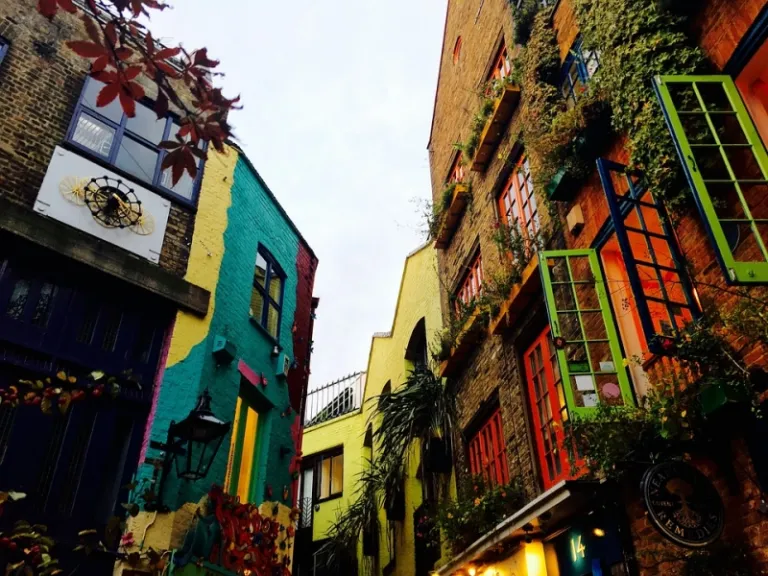
Covent Garden places travellers in the middle of London’s West End, surrounded by theatres, restaurants, shops, and street performances. Its famous market buildings are filled with boutiques and dining establishments, while Soho, Leicester Square, and the River Thames are all within walking distance.
This is one of the most convenient places to stay for travellers who want entertainment on their doorstep. The trade-off is that it is almost always busy, and centrally located hotels tend to command premium rates.
Who should stay in Covent Garden?
First-time visitors
Theatre lovers
Foodies
Groups of friends
Travellers who enjoy nightlife and entertainment
Pros
Extremely central
Within walking distance of theatres and major attractions
Wide selection of restaurants, cafés, and shops
Lively atmosphere throughout the day and evening
Excellent transport connections nearby
Cons
Frequently crowded
Accommodation can be expensive
Street noise may be noticeable depending on the hotel
5. Mayfair-Marylebone
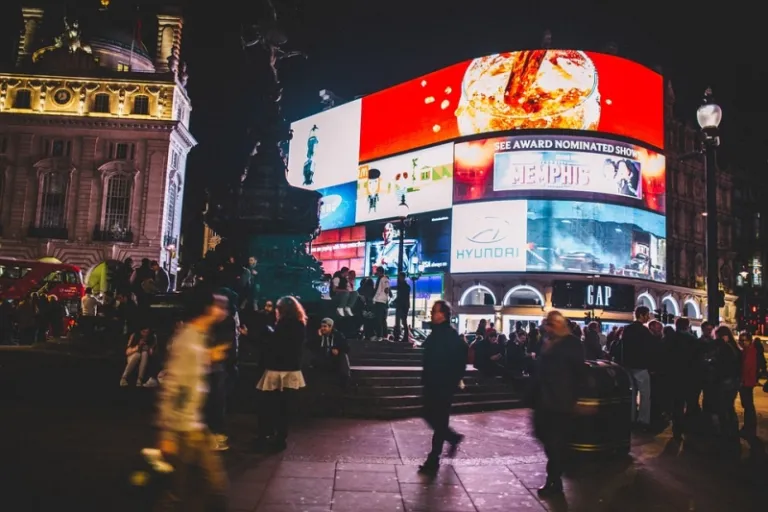
Mayfair and Marylebone offer two slightly different interpretations of elegant central London. Mayfair is known for luxury hotels, fine dining, designer boutiques, and prestigious streets such as Bond Street. Marylebone feels more residential, with independent shops, neighbourhood restaurants, and easy access to Regent’s Park.
Both are well positioned for shopping along Oxford Street and Regent Street, although the atmosphere changes considerably from one street to another. Travellers should expect higher accommodation prices, particularly in Mayfair.
Who should stay in Mayfair or Marylebone?
Luxury travellers
Couples
Families
Shoppers
Travellers seeking an elegant central location
Pros
Excellent for shopping
Central location
Wide variety of restaurants
Close to Hyde Park and Regent’s Park
Marylebone offers a quieter neighbourhood atmosphere
Cons
Among London’s most expensive areas
Oxford Street and nearby shopping districts can become very crowded
Fewer affordable accommodation choices
6. Shoreditch

Shoreditch is one of East London’s best-known creative neighbourhoods, filled with street art, independent boutiques, bars, music venues, and restaurants. Brick Lane, Spitalfields Market, and Hoxton are all nearby, making the area particularly appealing to travellers who want something livelier and less traditional than Westminster or Kensington.
Its proximity to Liverpool Street also provides useful rail and Elizabeth line connections, including direct journeys towards Heathrow Airport. Shoreditch can be noisy at night, however, so travellers seeking peaceful evenings should choose their accommodation carefully.
Who should stay in Shoreditch?
Groups of friends
Solo travellers
Art and design lovers
Foodies
Travellers interested in nightlife
Pros
Energetic nightlife and dining scene
Excellent street art and independent shopping
Convenient for exploring East London
Good connections from Liverpool Street
Wide range of stylish hotels and serviced apartments
Cons
Can be noisy at night
Some streets feel busier and less polished than central London
Less convenient for travellers focused mainly on royal and West London attractions
7. Camden
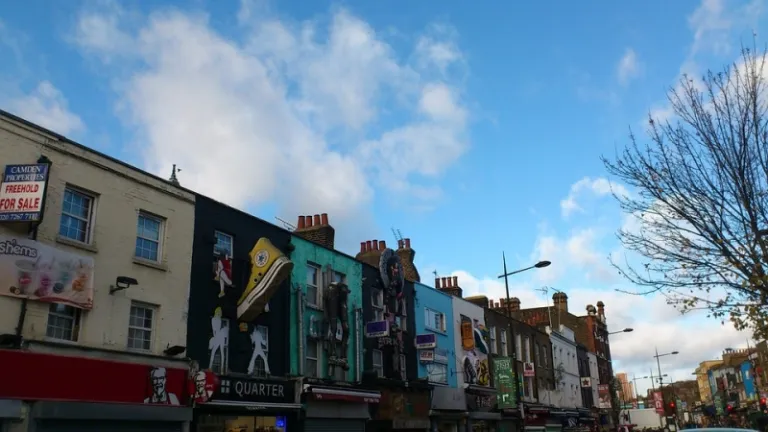
Camden is known for its alternative culture, live music venues, canalside setting, and sprawling markets. Camden Market brings together independent traders, street-food vendors, fashion, and entertainment, while Regent’s Canal provides a scenic walking route towards Regent’s Park and King’s Cross.
Camden Town itself should not be confused with the entire London Borough of Camden. Although King’s Cross, St Pancras, and Euston are located within the wider borough, they are not all in the immediate Camden Town neighbourhood. Nevertheless, Camden Town is well connected by the Northern line and remains a lively base for visitors who enjoy markets and music.
Who should stay in Camden?
Groups of friends
Solo travellers
Music lovers
Market enthusiasts
Travellers seeking a lively neighbourhood
Pros
Famous markets and street food
Strong live-music scene
Good Underground connections
Close to Regent’s Park and Primrose Hill
Energetic and distinctive atmosphere
Cons
Camden High Street and the market can become extremely crowded
Nightlife may create noise
The neighbourhood is less convenient for walking to central London’s major landmarks
Whether you are visiting London for museums, shopping, nightlife, history, or food, choosing the right neighbourhood can make a considerable difference to your trip. Stay in Westminster or Covent Garden for classic sightseeing, Kensington for culture and museums, Shoreditch or Camden for nightlife and creativity, or Mayfair and Marylebone for a more polished central experience.
Once you have identified your priorities and budget, finding the best area to stay in London becomes much easier.

About Author

Apart from catching overly-dramatic movies, quenching his voracious appetite and just lounging in his free time, Kevin finds François Rabelais' quote "I am going to seek a grand perhaps" resonating with him at times. It is this very desire that sees him travelling to foreign lands in search of new experiences, and food. In his adventures, the only thing that can temporarily impede his journey is his soft spot for pizza.