
6 Japanese Fashion Brands Every Traveller Should Know
Explore Tokyo's shopping districts and learn about Japanese fashion culture.

Japan is widely recognised for its cuisine, culture, and technology, but it has also made a lasting impact on the global fashion industry. Over the past few decades, Japanese designers have challenged conventional ideas of style through bold creativity, innovative design, and exceptional craftsmanship. Their influence can be seen everywhere, from luxury fashion runways in Paris to streetwear trends around the world.
Whether you are exploring Tokyo’s famous shopping districts or simply looking to learn more about Japanese fashion culture, understanding the brands behind this influence offers a fascinating insight into Japan’s creative spirit. Here are six Japanese fashion brands every traveller should know.
Also read: Where to Find the Best Jeans in Japan: Must-Go Stores When You Visit
1. Comme des Garçons: Japan's Most Influential Fashion Rebel
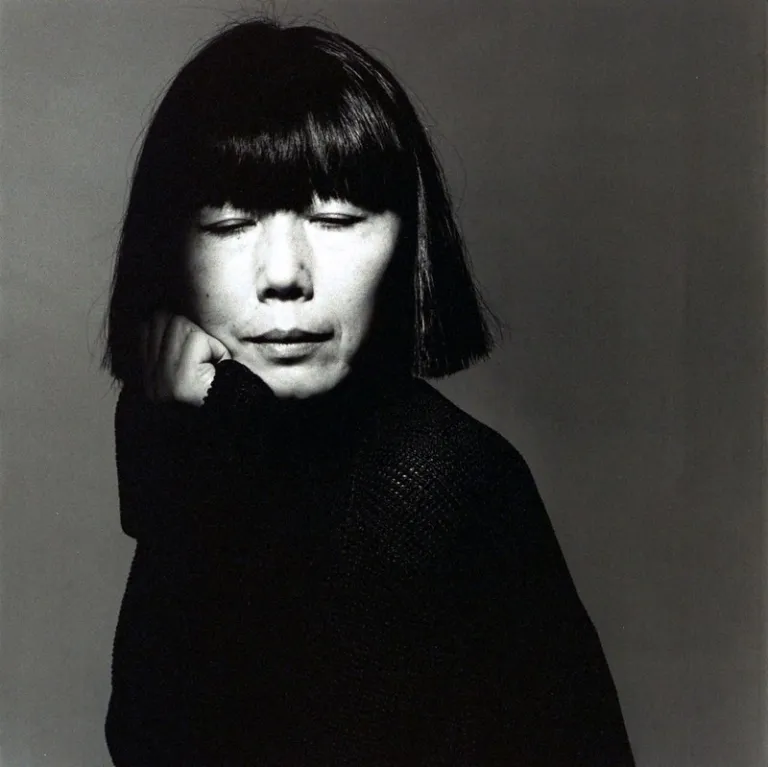 Image credit: Daniel Marchand | Flickr
Few Japanese fashion brands have had a greater impact on the global industry than Comme des Garçons. Founded in Tokyo in 1969 by Rei Kawakubo, the label became internationally famous after its Paris debut in the early 1980s. At a time when fashion was dominated by glamour and conventional ideas of beauty, Kawakubo challenged expectations with asymmetrical silhouettes, monochrome colour palettes, and garments that blurred the line between fashion and art.
The brand's name, which translates roughly as "like boys" in French, reflects its unconventional spirit. Rather than following trends, Comme des Garçons has built its reputation on creativity and experimentation. Its collections are often described as avant-garde, but the brand's influence extends far beyond the runway. Designers around the world have drawn inspiration from Kawakubo's approach to fashion, helping to establish Japan as one of the industry's most innovative creative centres.
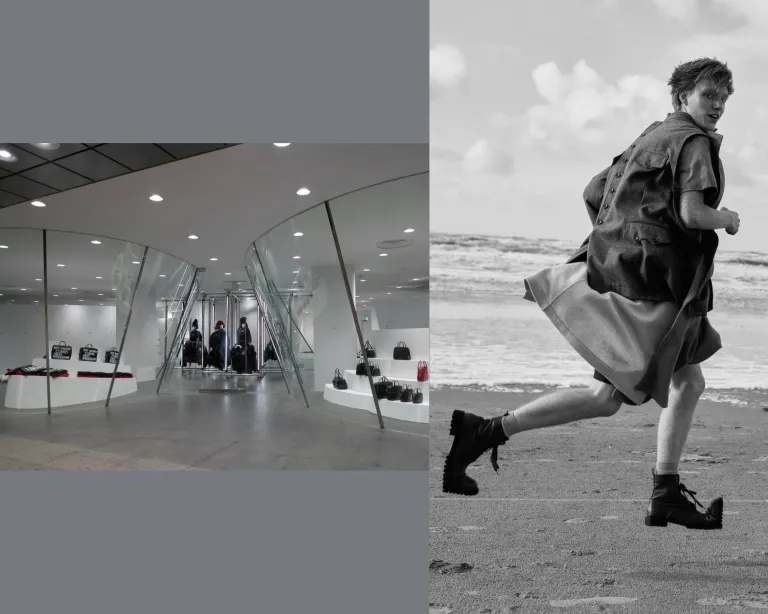 Image credit: Comme Des Garcons Official Instagram
For travellers interested in fashion, a visit to the Comme des Garçons flagship store in Tokyo's Aoyama district is highly recommended. The shop itself feels more like a contemporary art space than a traditional retail store, with striking interiors that change regularly. Even visitors who are not planning to make a purchase will find the experience fascinating.
Whether you are a dedicated fashion enthusiast or simply curious about Japanese culture, Comme des Garçons offers a unique insight into the creativity and originality that have made Japanese fashion admired around the world.
Where to buy Comme des Garçons in Tokyo:
Comme des Garçons Aoyama | 5-2-1 Minami-Aoyama, Minato-ku, Tokyo 107-0062, Japan
Comme des Garçons Marunouchi | 1F Meiji Yasuda Life Insurance Building (Marunouchi MY PLAZA) 2-1-1 Marunouchi, Chiyoda-ku, Tokyo 100-0005, Japan
2. Issey Miyake: Innovation Through Design
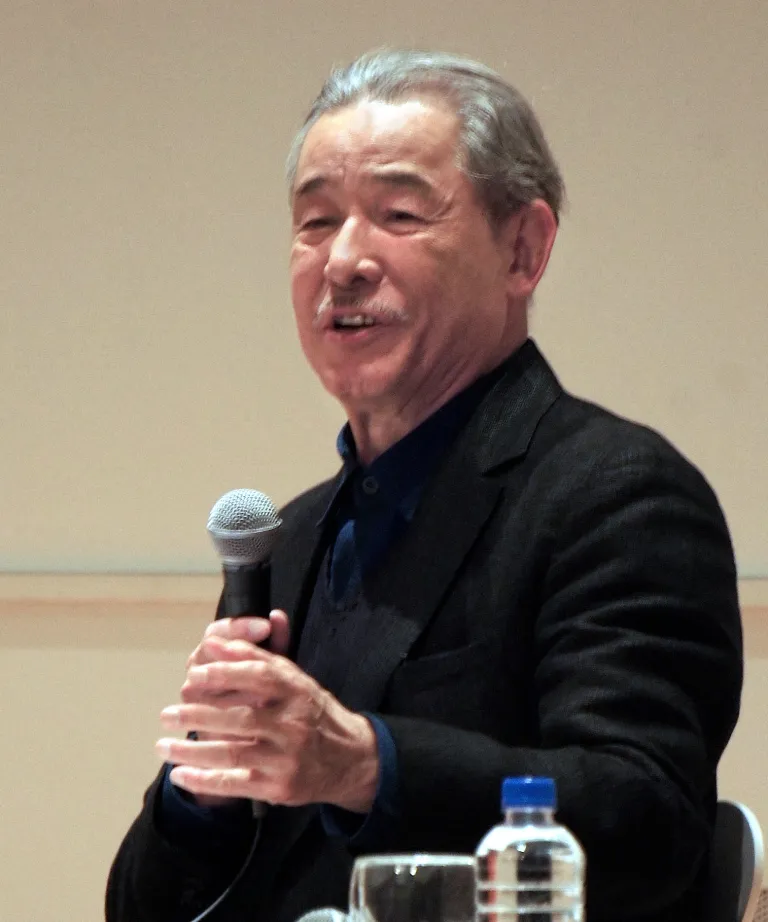 Image credit: Hsinhuei Chiou | Wikimedia Commons
Few designers have combined technology, functionality, and artistic vision as successfully as Issey Miyake. Founded by the late designer Issey Miyake in 1970, the brand became renowned for its innovative approach to clothing, creating garments that are both visually striking and remarkably practical. While many luxury fashion houses focus primarily on aesthetics, Issey Miyake has long explored how clothing can adapt to the needs of everyday life.
The brand is perhaps best known for Pleats Please Issey Miyake, a collection featuring lightweight garments made using a unique pleating technique. The pieces are comfortable, easy to pack, and resistant to wrinkles, making them particularly appealing to frequent travellers. Another popular line is BAO BAO Issey Miyake, famous for its geometric bags that transform shape depending on how they are carried.
Beyond individual products, the brand represents a distinctly Japanese approach to design. Simplicity, innovation, and practicality are combined in a way that feels both modern and timeless. Issey Miyake's work has been exhibited in museums around the world and continues to influence designers across generations.
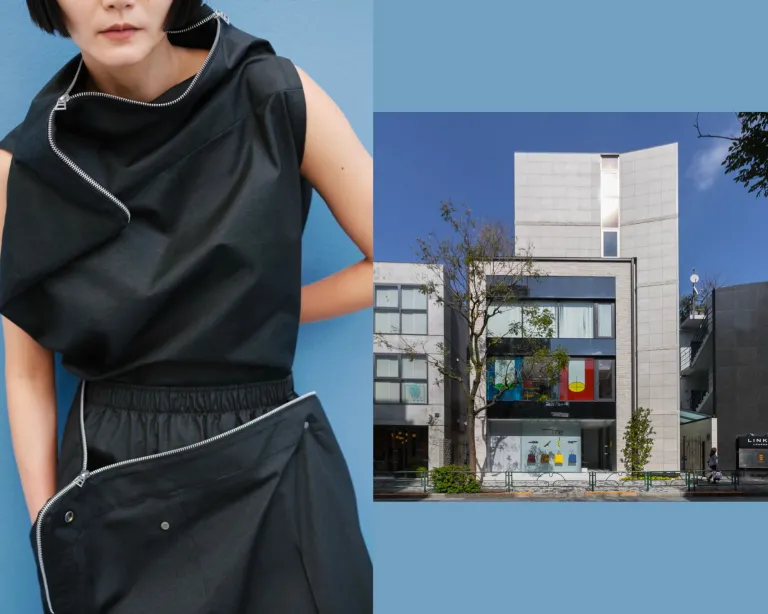 Image credit: Kakidai | Wikimedia Commons; Issei Miyake Official InstagramTravellers interested in experiencing the brand firsthand can visit its elegant boutiques in areas such as Ginza and Omotesando in Tokyo. Even a brief visit offers a glimpse into the creative thinking that helped make Issey Miyake one of Japan's most celebrated fashion names. For those looking to discover the innovative side of Japanese fashion, Issey Miyake remains an essential introduction.
Where to buy Issey Miyake in Tokyo:
Issey Miyake Ginza 442 | 4-4-2 Ginza, Chuo-ku, Tokyo 104-0061, Japan
Issey Miyake Aoyama | 3-18-11 Minamiaoyama, Minato-ku, Tokyo 107-0062, Japan
Issey Miyake Shinjuku | 2F Main Building 3-14-1 Shinjuku, Shinjuku-ku, Tokyo 160-0022, Japan
3. Yohji Yamamoto: The Master of Japanese Minimalism
 Image credit: Yohji Yamamoto Official Facebook
Among Japan's most celebrated fashion designers, Yohji Yamamoto stands apart for his distinctive vision and uncompromising approach to design. Since launching his label in the 1970s, Yamamoto has become known for creating clothing that challenges conventional ideas of luxury and beauty. His work is characterised by flowing silhouettes, expert tailoring, and an enduring preference for black, a colour he has transformed into a symbol of sophistication and individuality.
Yamamoto first gained international attention when he presented his collections in Paris during the early 1980s. At the time, his designs contrasted sharply with the colourful and body-conscious styles that dominated Western fashion. Instead of emphasising the figure, he created garments that draped loosely around the body, prioritising comfort, movement, and personal expression. The result was a fresh and distinctly Japanese perspective that would influence generations of designers.
For many fashion enthusiasts, Yohji Yamamoto's work embodies the Japanese concept that beauty can be found in imperfection, simplicity, and restraint. His collections often blur the boundaries between menswear and womenswear, creating timeless pieces that feel both contemporary and artistic.
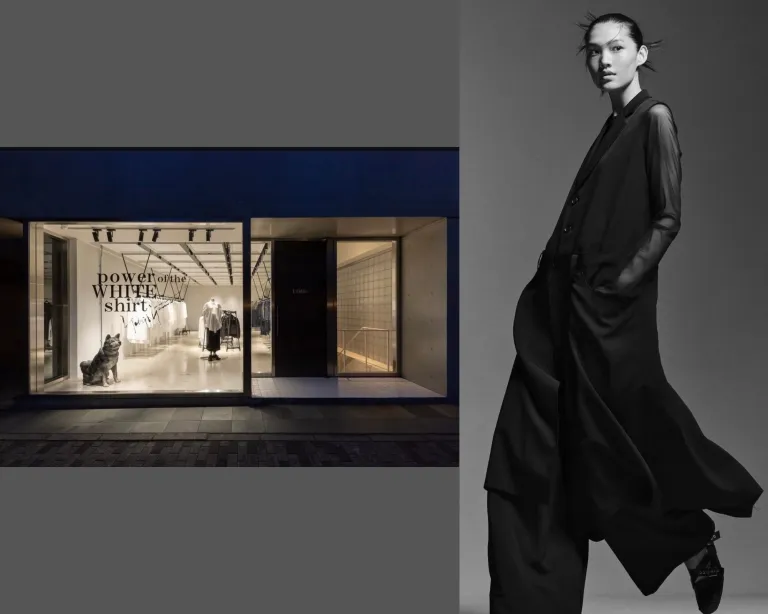 Image credit: Yohji Yamamoto Official Instagram
Travellers can explore the brand's world through its flagship stores in Tokyo, particularly in Aoyama, where the minimalist interiors reflect the designer's aesthetic philosophy. Even those with only a casual interest in fashion will appreciate the craftsmanship and attention to detail on display. For anyone seeking to understand the deeper artistic side of Japanese fashion, Yohji Yamamoto is an essential name to know.
Where to buy Yohji Yamamoto in Tokyo:
Yohji Yamamoto Aoyama Flagship Store | 5-3-6 Minami-Aoyama, Minato-ku, Tokyo 107-0062, Japan
Yohji Yamamoto Nihombashi Mitsukoshi Main Store | 3F New Building, Mitsukoshi Nihombashi Main Store 1-4-1 Nihombashi Muromachi, Chuo-ku, Tokyo 103-8001, Japan
4. A Bathing Ape (BAPE): Harajuku's Streetwear Legend
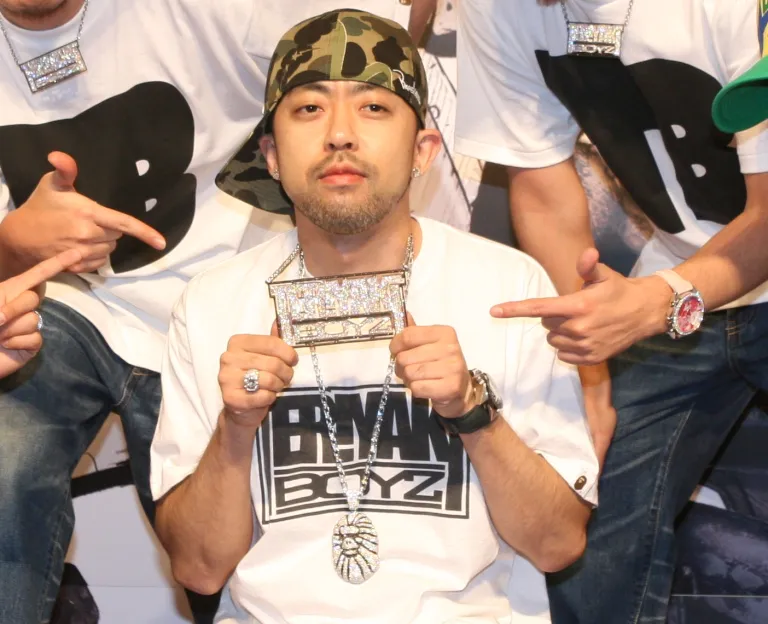 Image credit: Sry85 | Wikimedia Commons
While Japan is renowned for high-fashion designers such as Rei Kawakubo and Yohji Yamamoto, it has also played a major role in shaping global streetwear culture. Few brands represent this influence better than A Bathing Ape, more commonly known as BAPE. Founded in 1993 by Nigo, the label emerged from Tokyo's vibrant Harajuku district and quickly became one of the most recognisable names in street fashion.
BAPE built its reputation through bold graphics, colourful camouflage patterns, and limited-edition releases that created a sense of exclusivity. The brand's iconic Shark Hoodie, featuring a zip-up hood that covers the entire face, has become one of the most recognisable items in modern streetwear. Over the years, BAPE has collaborated with everyone from musicians and sportswear companies to luxury fashion houses, helping to cement its global reputation.
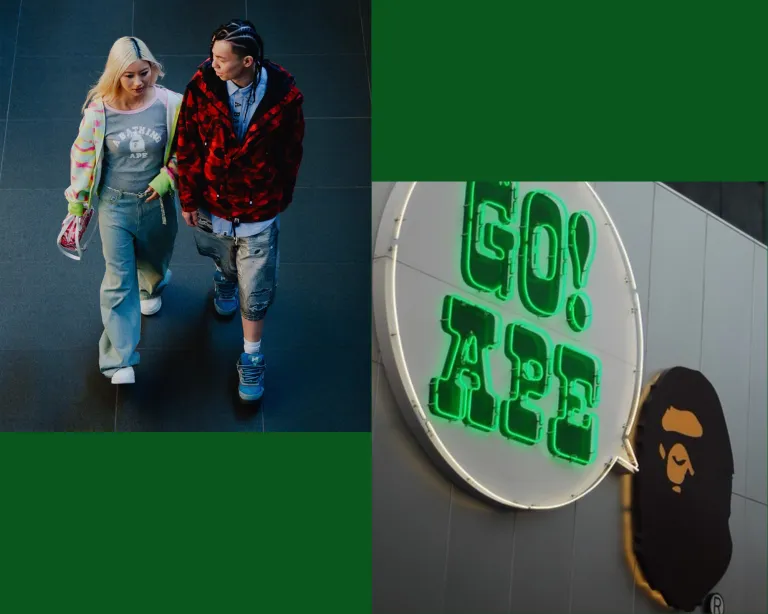 Image credit: Steve L | Flickr; A BATHING APE® Official Instagram
Part of the brand's appeal lies in its connection to Harajuku, a neighbourhood long associated with youth culture, creativity, and self-expression. Visiting a BAPE store offers travellers a glimpse into a side of Japanese fashion that is energetic, playful, and deeply influential. The flagship locations in Harajuku remain popular destinations for fashion enthusiasts from around the world.
Even if streetwear is not usually your style, BAPE is worth knowing for its cultural significance alone. The brand helped transform Japanese street fashion from a local phenomenon into a global movement, inspiring countless labels that followed. For travellers hoping to understand Tokyo's modern fashion culture, BAPE remains an essential stop.
Where to buy A BATHING APE in Tokyo:
BAPEXCLUSIVE™ Aoyama | 5-5-8 Minami-Aoyama, Minato-ku, Tokyo, Japan
BAPE STORE® Harajuku | 4-21-5 Jingumae, Shibuya-ku, Tokyo, Japan
5. UNDERCOVER: The Art of Chaos and Street Elegance
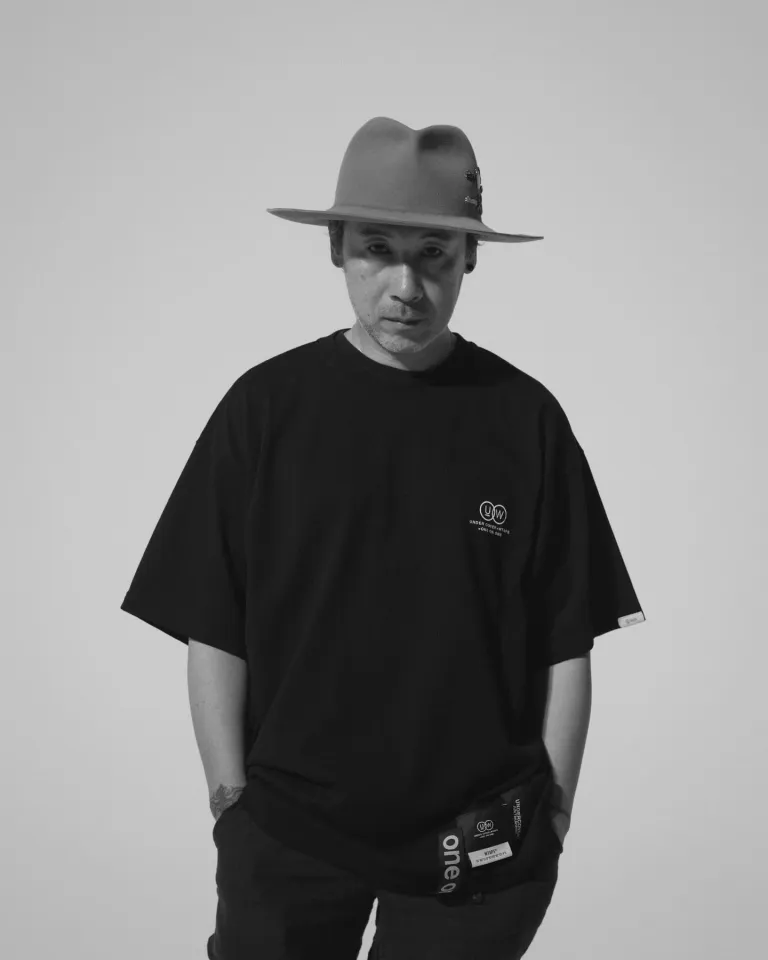 Image credit: UNDERCOVER Official Facebook
Founded in 1993 by Jun Takahashi, UNDERCOVER is one of Japan’s most influential designer labels, known for blending streetwear attitude with high-fashion craftsmanship. Emerging from Tokyo’s Harajuku scene, the brand quickly developed a reputation for its rebellious spirit and deeply artistic approach to clothing design.
Takahashi, who was also part of the early Tokyo punk movement, brings a strong sense of narrative and emotion into his collections. Each season often feels like a story rather than a traditional fashion line, with references ranging from music and subcultures to surrealism and fine art. This conceptual approach has made UNDERCOVER stand out not only in Japan but also on the global fashion stage.
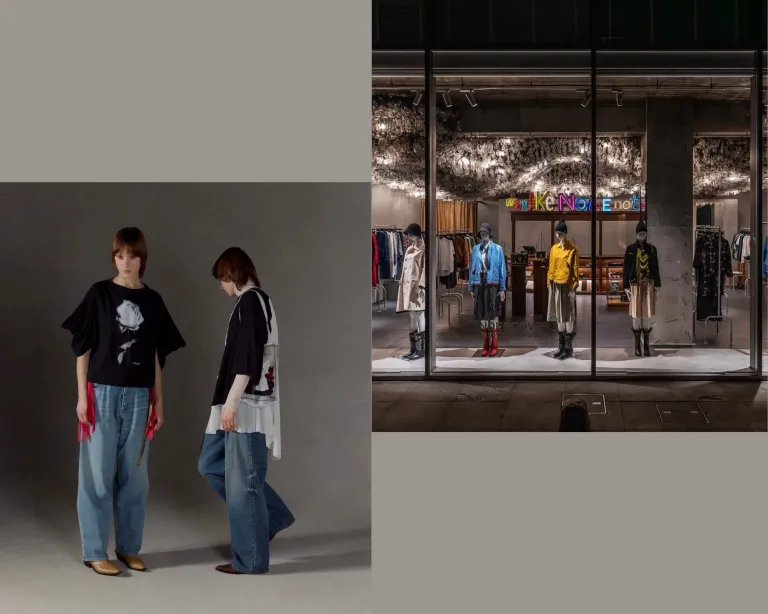 Image credit: UNDERCOVER Official Facebook & Instagram
What makes the brand particularly distinctive is its ability to balance chaos with refinement. Graphic prints, distressed textures, and unexpected silhouettes are combined with precise tailoring, creating pieces that feel both raw and carefully constructed. This duality reflects the energy of Tokyo itself: fast-moving, layered, and constantly evolving.
UNDERCOVER has also gained international recognition through collaborations with brands such as Nike and Supreme, helping to bridge the gap between avant-garde design and mainstream streetwear culture. Despite this global success, it has maintained a strong creative identity rooted in Japanese sensibilities.
For travellers exploring Tokyo’s fashion scene, UNDERCOVER offers a glimpse into a more experimental and emotional side of Japanese design—one that challenges convention while remaining deeply wearable.
Where to buy UNDERCOVER in Tokyo:
UNDERCOVER Aoyama | BLEU CINQ POINT A (B1F) 5-3-22 Minami-Aoyama, Minato-ku, Tokyo 107-0062, Japan
UNDERCOVER NOISE LAB Shibuya PARCO | 2F Shibuya PARCO 15-1 Udagawa-cho, Shibuya-ku, Tokyo, Japan
6. Sacai: Reinventing Everyday Fashion
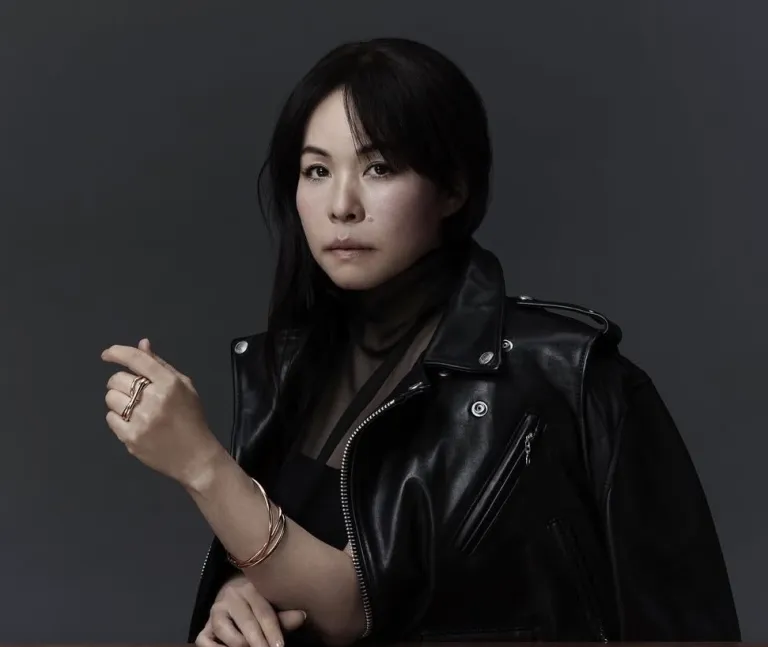 Image credit: Sacai Official Instagram
Founded by Chitose Abe in 1999, Sacai has become one of Japan’s most acclaimed contemporary fashion labels. Before launching her own brand, Abe worked for Comme des Garçons, an experience that helped shape her creative approach while allowing her to develop a distinctive vision of her own. Today, Sacai is celebrated around the world for transforming familiar garments into something entirely unexpected.
The brand is best known for its innovative use of hybrid design. Rather than creating clothing from a single idea or silhouette, Abe often combines elements from different garments to create something new. A classic trench coat might feature pleated panels, while a tailored jacket could incorporate details inspired by sportswear. These unexpected combinations have become Sacai’s signature, earning the label a reputation for balancing experimentation with wearability.
Although Sacai’s designs are highly creative, they remain practical and accessible. This ability to merge artistic concepts with everyday clothing has helped the brand attract a loyal following both in Japan and abroad. Its collaborations with companies such as Nike have further expanded its international profile, introducing Sacai’s distinctive aesthetic to a wider audience.
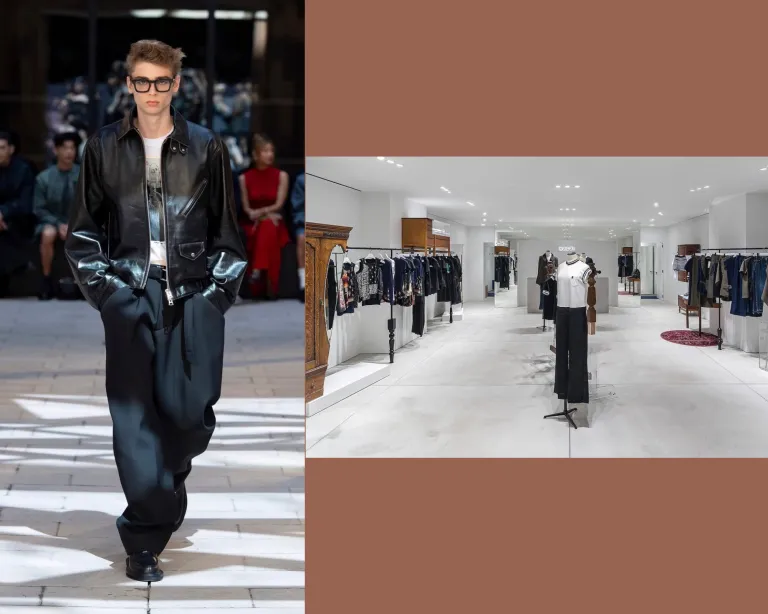 Image credit: Sacai Official Facebook; Instagram
Travellers interested in contemporary Japanese fashion should make time to visit one of the brand’s boutiques in Tokyo. Sacai offers a compelling example of how Japanese designers continue to push the boundaries of fashion while creating pieces that are designed to be worn and enjoyed in everyday life.
Where to buy Sacai in Tokyo:
Sacai Aoyama | 5-4-44 Minami-Aoyama, Minato-ku Tokyo 107-0062, Japan
Sacai Ginza Mitsukoshi | 4-6-16 Ginza, Chuo-ku, Tokyo 104-0061, Japan

About Author
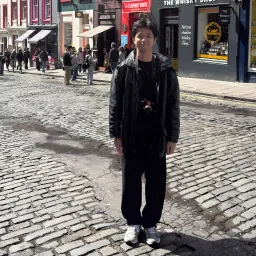
Tomohiro is passionate about movies and enjoys spending his time watching baseball games and connecting with new people through conversation. He has a sociable personality and loves learning about different perspectives and cultures. On his days off, he often travels across various parts of the UK, exploring new towns, landscapes, and local experiences while planning his next journey.
Recommended Reads
12 Things You Should Never Wear on a Plane
Editor's Pick
13 Tips for Packing Light for Winter Trips
Editor's Pick