
Japan Travel Alert: 7.7 Magnitude Quake Sparks Tsunami Advisories; Travellers Urged to Stay Vigilant
Tremors felt as far south as Tokyo.

Travellers currently in Japan or planning trips this week are advised to remain on high alert following a powerful 7.7 magnitude earthquake that struck off the country's north-east coast yesterday afternoon.
The undersea quake, which occurred at 16:52 local time off the Sanriku coast (near Iwate Prefecture), triggered immediate tsunami warnings and sent tremors felt as far south as Tokyo.
Also read: Japan Cherry Blossom 2026 Forecast: When & Where to See Sakura
The Latest Situation (As of 21 April)
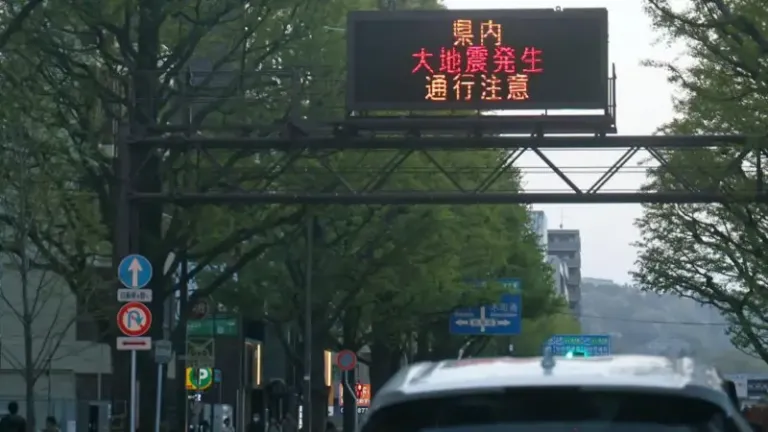 Image credit: EPA
While the initial tsunami warnings, which predicted waves of up to 3 metres, have been downgraded to advisories (the lowest warning level), the Japan Meteorological Agency (JMA) has issued a sobering warning: There is an increased risk of a massive "second quake" measuring 8.0 or higher within the next week.
Things to note for travellers
Affected Areas: The situation is primarily impacting Japan’s north-east (Tohoku) region, including Iwate, Miyagi, and Aomori, as well as parts of Hokkaido. Residents and travellers in these areas should remain alert to further updates.
Tsunami Status: Tsunami advisories remain in place, with waves of up to 80cm already recorded at some ports. Authorities strongly advise the public to stay away from all coastal areas and large bodies of water until it is declared safe.
Transport Updates: Shinkansen (bullet train) services have largely resumed following earlier disruptions. However, delays may still occur as ongoing safety inspections continue across the network.
Safety Status: At this time, no major injuries have been reported, and there are no abnormalities at nuclear facilities, including Fukushima. Authorities continue to monitor the situation closely.
Advice for Singaporean & SE Asian Travellers
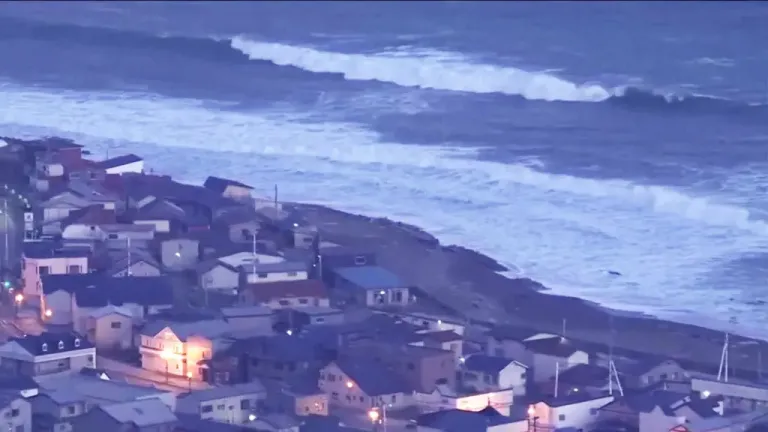 Image credit: BBC| Official Website
For many Singaporeans and Malaysians currently enjoying the spring season in Japan, the sounding of emergency mobile alerts can be a jarring experience. Here is what you should do:
1. Monitor "Nervous" Aftershocks. Smaller quakes (aftershocks) are actively occurring, with magnitudes ranging from 4.3 to 5.4. If you are in a building and feel swaying, follow local instructions immediately.
2. Keep Your "Safety Tips" App Ready! The Japan Tourism Agency’s "Safety Tips" app (available in English, Thai, Vietnamese, and Indonesian) provides push notifications for earthquake and tsunami alerts. If your phone’s emergency alarm sounds, do not ignore it.
3. Re-evaluate Coastal Itineraries. If you have planned seaside visits to Hokkaido’s coasts or the scenic Sanriku region this week, consider pivoting to inland activities until the "high alert" window for the potential 8.0 quake passes.
4. Check with Airlines. While major airports like Haneda and Narita are operating normally, check your flight status if you are flying into regional airports in the north (e.g., Sendai or New Chitose).
Also read: Japan's New Travel Authorisation System for Tourists: What You Need to Know
For the next week at least, avoid travelling to coastal areas to ensure your safety.

About Author

Born in a new village in Selangor, Malaysia, Cecelia loves three things in life: Good food, good views, and good deals. She also enjoys exploring new places and experiencing new things on her travels.
Recommended Reads
8 Must-Visit Temples in Kyoto
Culture & Heritage
Geisha Hunting in Kyoto: How to Spot a Real One
Culture & Heritage