
Discover The Best of Kyushu: Ultimate 4-City Itinerary to Fukuoka, Kagoshima, Kumamoto and Kitakyushu
Explore Kyushu’s culture, cuisine, and natural beauty across four unforgettable cities!

Kyushu, Japan’s third-largest island, offers a vibrant fusion of cultural heritage and breathtaking landscapes. Its name, meaning “nine provinces,” reflects its historical roots. Today it comprises seven prefectures anchored by four dynamic cities: Fukuoka, Kagoshima, Kumamoto and Kitakyushu.
The onsen capital of Japan, Kyushu has the highest concentration of hot springs and a celebrated food culture. It’s easily accessible via direct flights to Fukuoka or connections through transportation hubs like Tokyo or Seoul, with Shinkansen trains connecting its major cities.
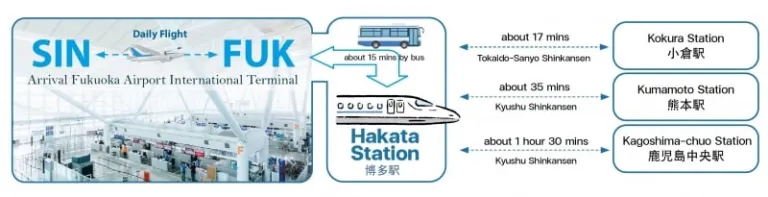
For the best travel experience, combine high-speed rail with road trips. Zip between cities on the Shinkansen and switch to a rental car to uncover Kyushu’s rural charm–think lush valleys, seaside towns and scenic drives framed by mountains.
This flexible itinerary covers Kyushu’s top sights and experiences, perfect for solo travellers, family or friends. Whether it’s a quick getaway or a longer adventure, save this guide for your next trip!
Here’s your chance to win flight tickets to Fukuoka!
Want a chance to visit and explore the wonderful destinations of Kyushu yourself? Then don’t miss this chance to win a round-trip air ticket to Fukuoka! It’s super simple to enter! Simply read this article and then complete this survey to enter.
Contest runs from now till 31 Jan 2026. ONE winner will be randomly selected and announced on 13 Feb 2026. Good luck!
Fukuoka
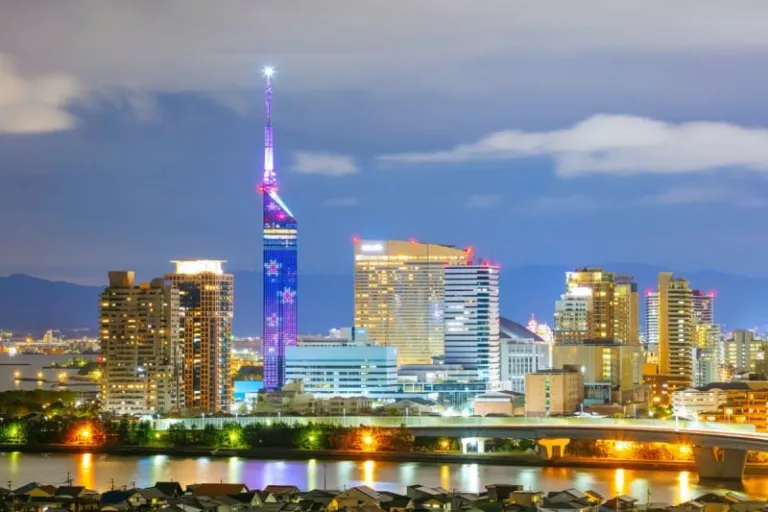
The dazzling skyline of Fukuoka City at night | Image credit: Fukuoka City Government Tourism and Convention
Fukuoka pulses as Kyushu’s gastronomic heart. It’s famous not only for pioneering tonkotsu ramen, but for its vibrant yatai food scene. These intimate open-air food stalls spring up nightly. As the only city in Japan where this food tradition still thrives, yatai is a must-try in Fukuoka.
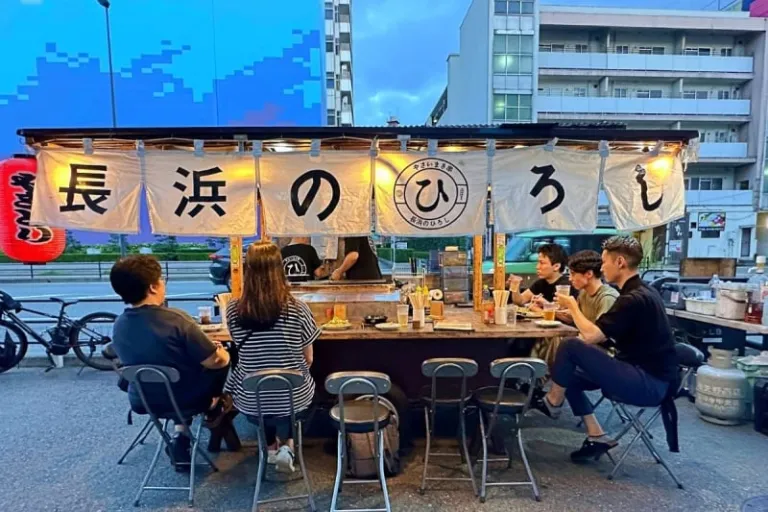
Lively and communal dining in the Nagahama Yatai area
While Nakasu and Tenjin are the city’s popular yatai hubs, I find the atmospheric yatai stalls in the Nagahama area to be a true hidden gem. I had an entertaining and hearty meal at Nagahama no Hiroshi, a yatai stall serving local delicacies like seasonal vegetables wrapped in meat, motsu (innards) hot plate and yaki (stir-fried) ramen.
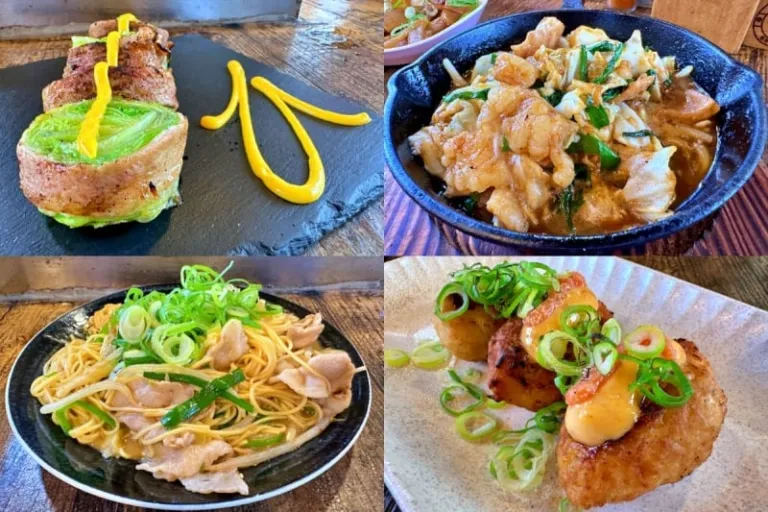
Street food feast at Nagahama no Hiroshi
Fukuoka City is a fusion of two historical towns: the former samurai castle town of Fukuoka and the port and merchant district of Hakata. Old Hakata remains the city’s historic heart, where temples and shrines preserve its rich heritage amid modern urban life.
After exploring the shopping areas of Tenjin and Canal City, I ventured into Hakata’s historic streets. In Kawabata Shopping Arcade, Hakata’s oldest shopping street, I tried my first lantern painting at Kadota Chouchin. This four-generation family-run institution specialises in handmade paper lanterns called chochin. Learning about the lantern-making process gave me a deeper appreciation for this cherished tradition, one that lights up Japan’s festivals and streets.
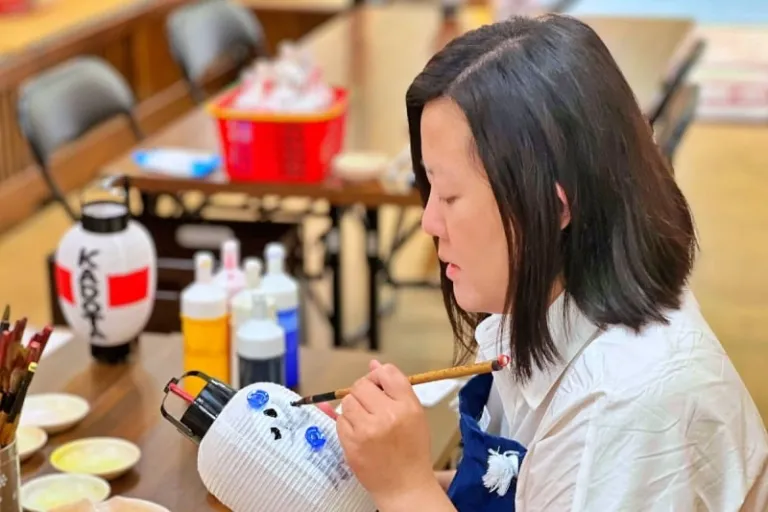
Painting traditional lanterns at Kadota Chouchin
I joined a time-honoured tea ceremony at Hakata Geidokoro Wanoka. This traditional culture and performing arts centre invites visitors to participate in a variety of activities, including tea ceremonies led by a maiko (an apprentice geisha), graceful dance performances, shamisen music and commemorative photo sessions.
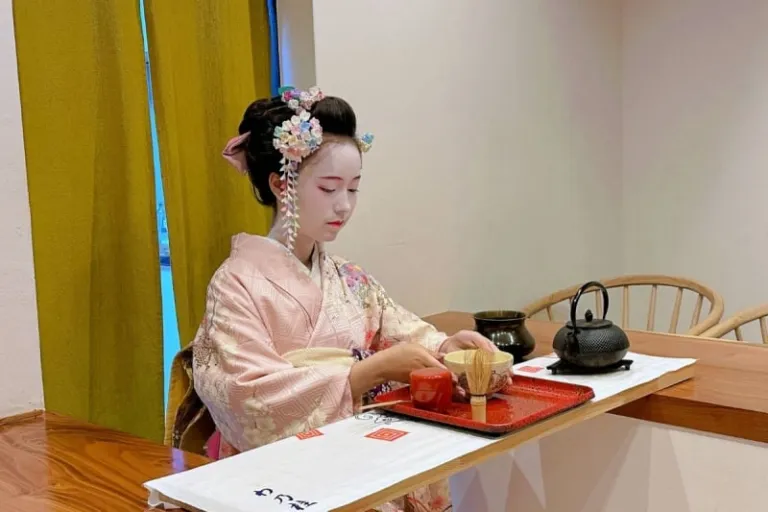
Traditional tea ceremony at Hakata Geidokoro Wanoka
I continued my cultural tour in Ohori Park Japanese Garden, an oasis in the city with tranquil ponds and a traditional tea house. At regular intervals, mist blankets the serene ponds, transforming the landscape into a floating, dreamlike world.
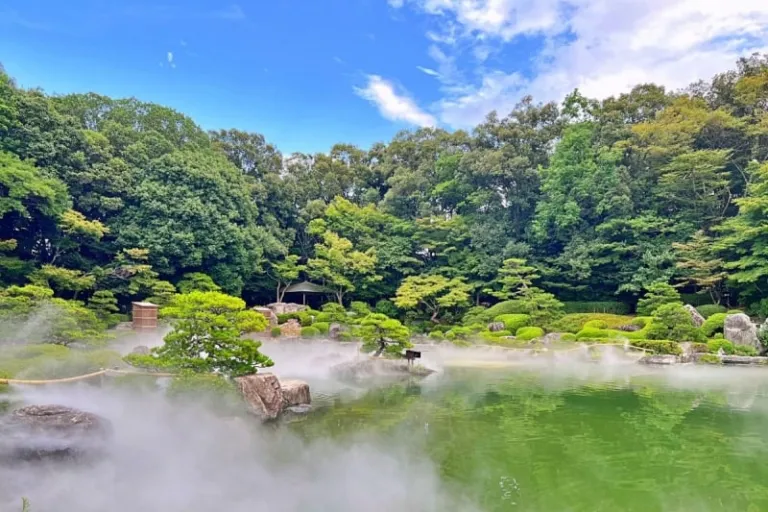
Ohori Park Japanese Garden and the special mist effect
Head to Fukuoka’s west coast Kitazaki area to experience another side of the city. Unwind at Palm Beach and soak in the creative vibes of the Jihangun art area. I took an exhilarating speedboat ride with Fuk Cruise across Hakata Bay with upbeat music onboard, sea breeze in my hair, sweeping views of Futamigaura Beach, the sacred meotoiwa “wedded rocks” and Fukuoka’s skyline gleaming in the sun.
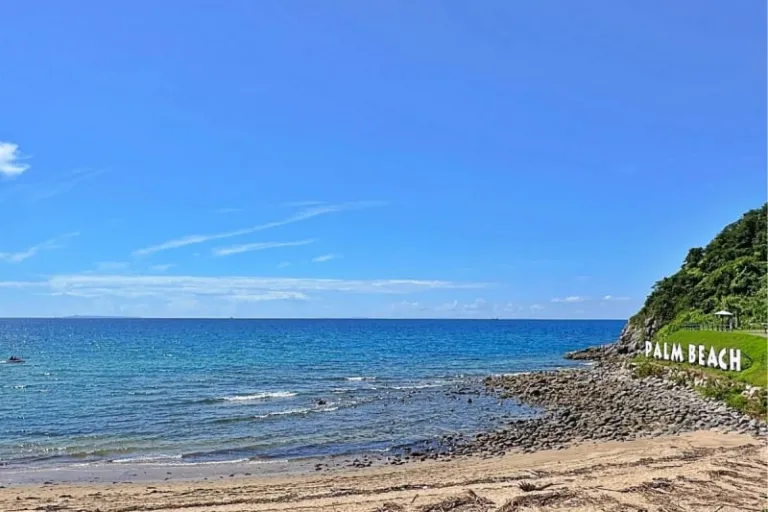
Gorgeous summer blue skies at Kitazaki area
Another fun day trip is Nokonoshima Island Park, just a 10-minute ferry from Meinohama Port. Seasonal blooms like sunflowers in summer, and cosmos in autumn paint the landscape with a kaleidoscope of colours overlooking Hakata Bay.
Getting to Fukuoka
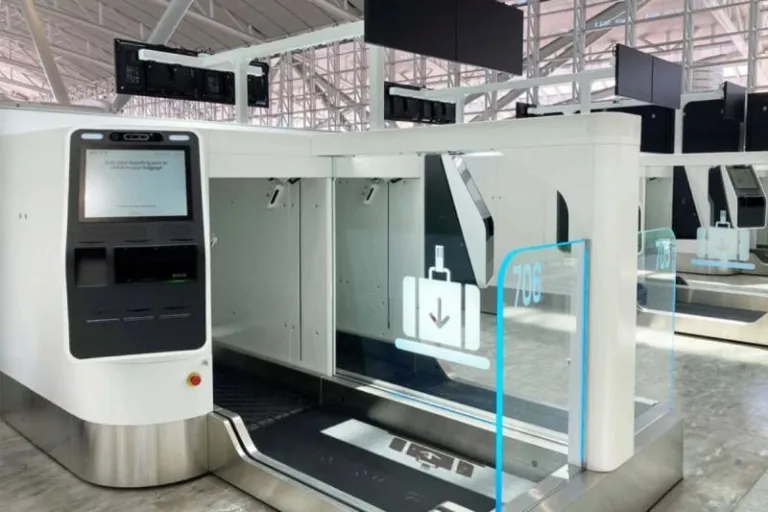
Fukuoka serves as the gateway to Kyushu, welcoming international travellers through Fukuoka Airport (FUK), which serves as the main port of entry for international travellers in the region. Located just a 10-minute subway ride from the city centre, it’s also one of the most convenient airports in Japan to get to. Travellers from Singapore can enjoy direct flights to Fukuoka with Singapore Airlines, making it an effortless entry point to explore Kyushu. Plus, once there, Singapore Airlines passengers can make use of self-check-in kiosks, ensuring a smooth and seamless travel experience from start to finish.
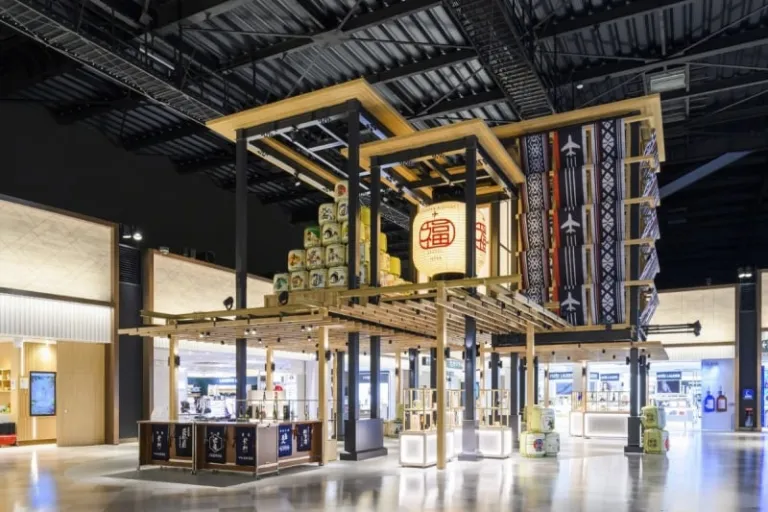
Looking for some last-minute souvenirs before heading home? You’ll be spoilt for choice at the newly-renovated Duty Free Shop, which is now four times larger than before, offering an impressive selection of Japanese and international brands across cosmetics, confectionery, and souvenirs!
Join the Big 4 Cities of Kyushu Contest for a chance to win round trip flights to Fukuoka!
Kagoshima
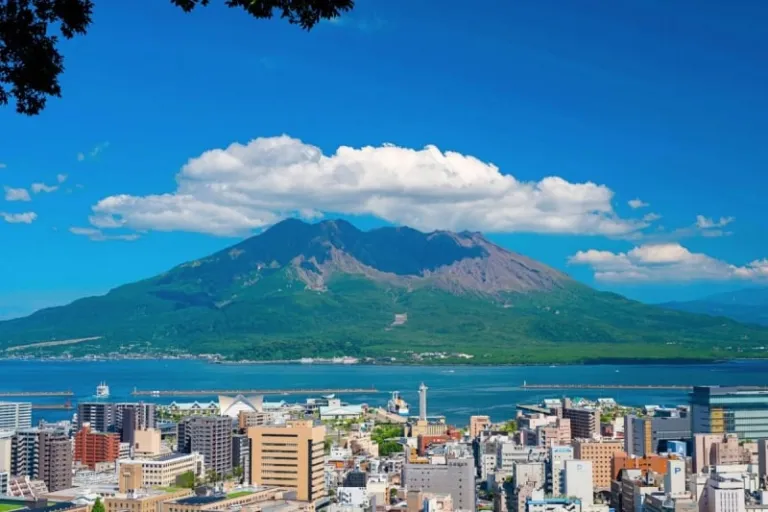
The awe-inspiring Sakurajima shaping Kagoshima’s stunning landscape | Image credit: Kagoshima Prefecture Visitors Bureau
Sakurajima is one of Japan’s most active volcanoes, with frequent small eruptions visible from Kagoshima city.
Once the powerful Satsuma kingdom, Kagoshima sits at Kyushu’s southernmost tip, just an hour from Fukuoka by high-speed train.
Starting my day at Sengan-en, the stately estate of the powerful Shimadzu family, who ruled southern Kyushu for over 700 years, I dived into Kagoshima’s rich history.
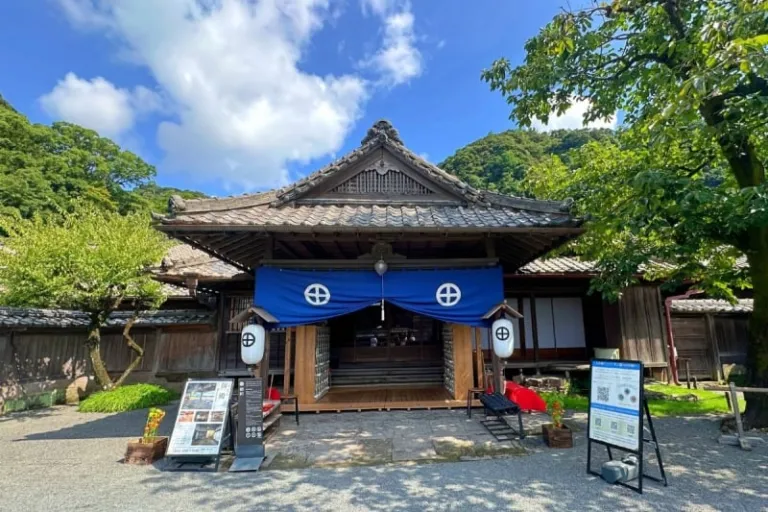
The main residence in Sengan-en is a villa for the Shimazu family
I toured the historic Shimadzu residence, made unique keychains using Satsuma Kiriko glass pieces, exquisite handcrafted Japanese cut glass from Kagoshima, and tried an archery game, Shihan teki, once enjoyed by samurai.
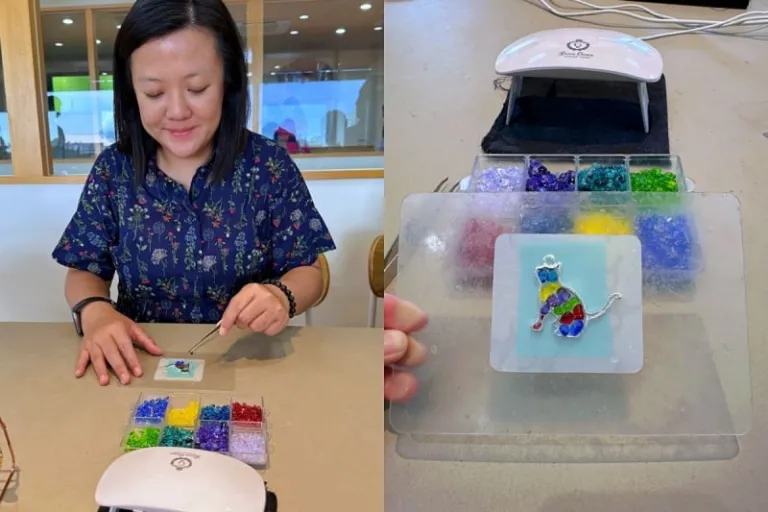
Making glass-filled keychains in Sengan-en’s traditional culture experience centre
Japan’s oldest Western-style stone industrial building, Shoko Shuseikan Museum is an important building here and inscribed as a UNESCO World Cultural Heritage Site. Originally used to process metal for ships, the museum showcases early industrial machinery and tools, the story of the Shimadzu family and their role in the modernisation of Japan.
The picturesque view of Sakurajima and Kagoshima from Sengan-en gardens is one of the main attractions in Kagoshima.
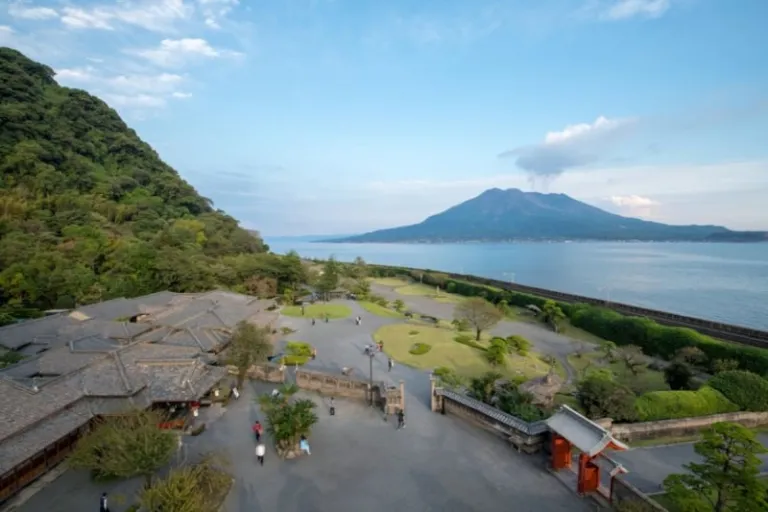
Breathtaking views of Sakurajima and Kagoshima Bay from Sengan-en Gardens | Image credit: Kagoshima Prefecture Visitors Bureau
Next, hop on a ferry to Sakurajima, the centrepiece of the Sakurajima-Kinkowan Geopark, to explore its diverse landscapes shaped by frequent eruptions.
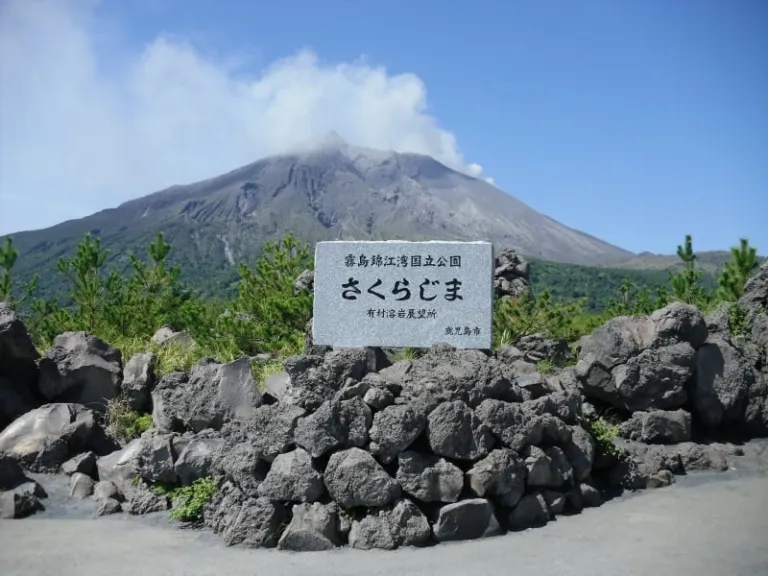
View of Sakurajima from the Arimura Lava Observation Deck
Sakurajima’s volcano brings about rejuvenating hot springs and foot baths, while its abundant its mineral-rich volcanic soil yields abundant produce, including Sakurajima radish (daikon) and sweet mandarin oranges (komikan).
The grandeur of nature surrounds Sakurajima. One of its geological and historical treasures is the iconic buried torii gate of the Kurokami Shrine, which was partially covered by volcanic ash during the massive 1914 eruption. This gate stands as a powerful symbol of enduring spirit and resilience of the local community.
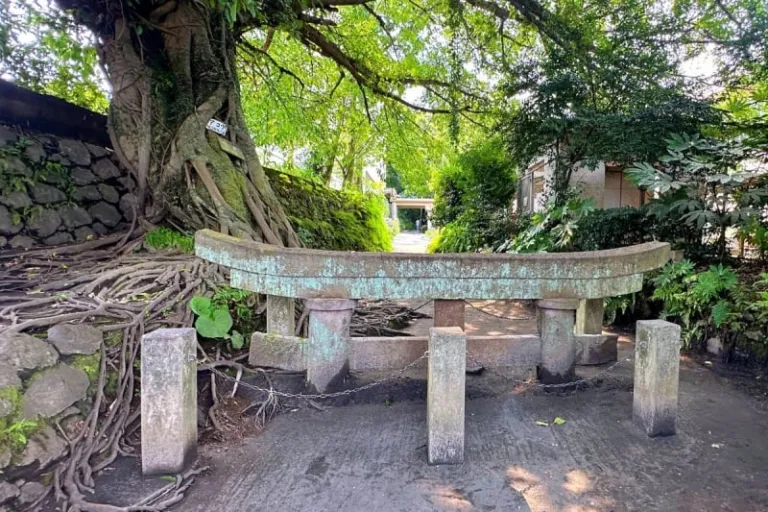
The torii gate of Kurokami Shrine is buried under volcanic ash and pumice
At the foot of the volcano, Ougaku Tougei is a famed pottery shop where volcanic ash and hot spring water are used to create unique ceramics and volcanic ash art. I participated in their volcanic ash art workshop to create one-of-a-kind ash artwork, a lasting memento from Sakurajima.
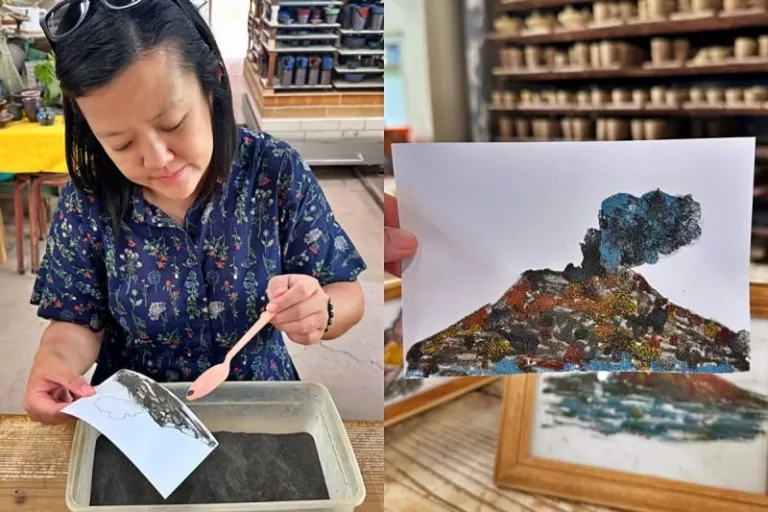
Using coloured volcanic ash to make art
Back in the city, I delved into Kagoshima’s rich samurai heritage with an exciting and educational rickshaw tour. The knowledge rickshaw driver brought the city’s vibrant past to life as he introduced landmarks such as Terukuni Shrine, the Kagoshima Castle ruins and the Saigo Takamori statue. Saigo Takamori, known as the “Last Samurai,” was a key leader of the Meiji Restoration and revered symbol of Kagoshima’s spirit.
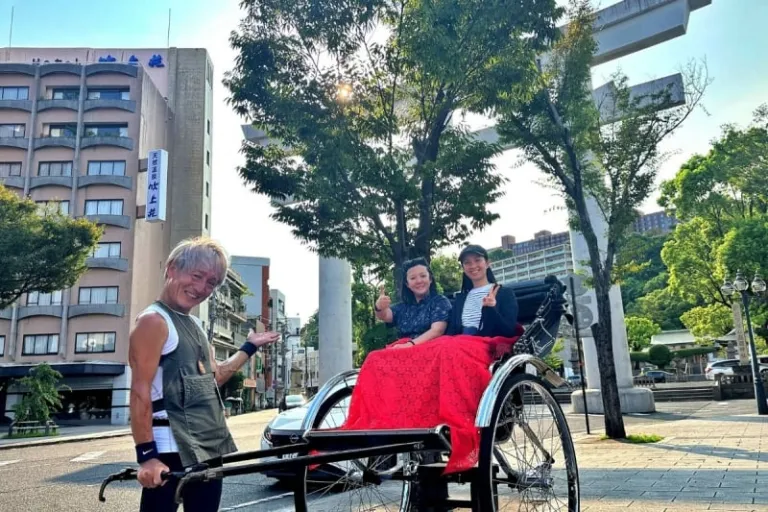
Discover Kagoshima’s samurai heritage and historic landmarks on a traditional rickshaw ride
Next to Kagoshima’s transportation hub, Kagoshima Chuo station, Kagoshima Furusato Yatai Village is a lively indoor, air-conditioned dining area packed with local food stalls or yatais. Here you can savour Kagoshima delicacies like kurobuta (black pork), Satsuma age (fried fish cake) and Satsuma imo (sweet potato). Other must-eats include fresh sashimi consisting of tai (sea bream), kampachi (amberjack) and kibinago (silver-stripe round herring) topped with shochu, Kagoshima’s famous distilled spirit.
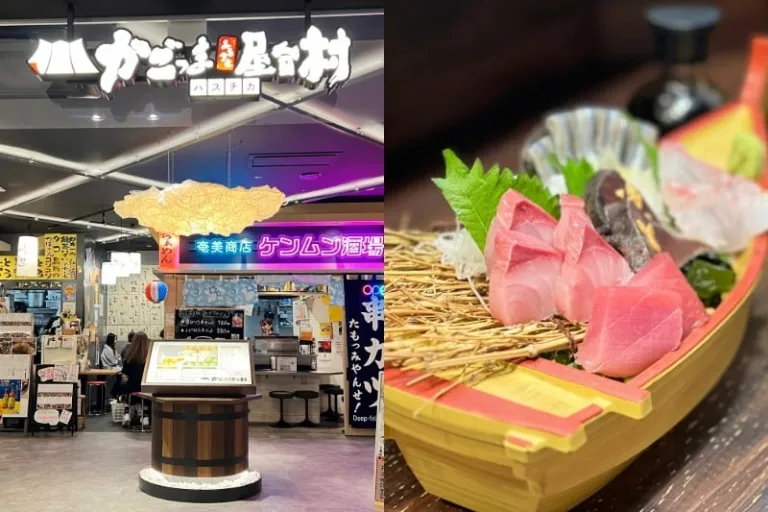
Kagoshima Furusato Yatai Village is a lively hub of local flavours and street food delights
Kumamoto
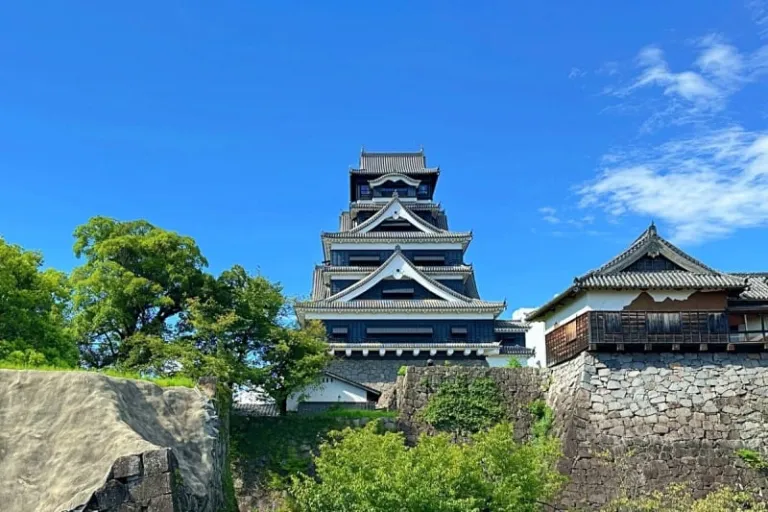
Kumamoto Castle in summer
Kumamoto, the home of Kumamon–the beloved black bear mascot–sits at the heart of Kyushu. Just an hour by shinkansen from Kagoshima, Kumamoto is a convenient base for exploring the island’s diverse attractions.
I began my journey at the majestic Kumamoto Castle, renowned for its steep stone walls and intricate wooden interiors. The temporary elevated walkway provides a vantage view of the castle grounds and the ongoing restoration works.
At the foot of Kumamoto Castle, Sakuranobaba Josaien recreates a traditional castle town atmosphere. Within the complex, the Kumamoto Castle Museum Wakuwakuza presents interactive exhibits and engaging virtual reality experiences to learn about the castle’s history.
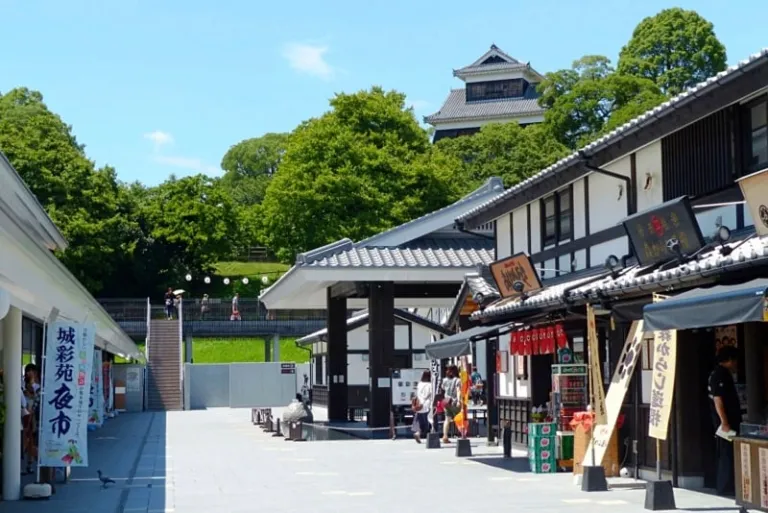
Sakuranobaba Josaien is a recreated castle town at the base of Kumamoto Castle
Many shops here sell local foods, crafts, and souvenirs, including Wa Collection MITO where visitors can try on a kimono. I rented one at their shop just outside Suizenji Jojuen Garden, a beautiful traditional garden known for its scenic bridges and teahouses. With a lovely selection of kimonos and friendly staff assisting with dressing and hairstyling, it’s a delightful way to immerse yourself in Japanese culture.
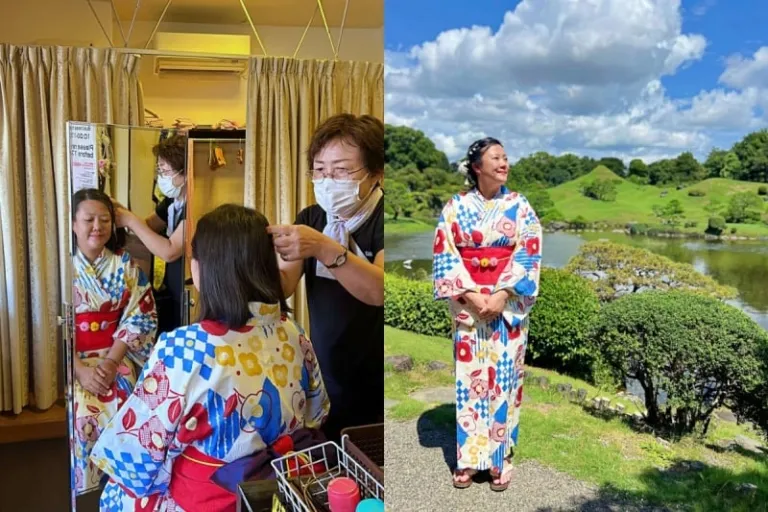
Kimono-wearing experience and commemorative photoshoot at Suizenji Jojuen Garden
For a different kind of cultural experience, I tried Hosokawa-style bonseki in Yusuitei, a cultural shop near Suizenji Jojuen Garden. Bonseki is the Japanese art form of creating delicate miniature landscapes on black lacquer trays using white sand, pebbles and small rocks. I found the activity surprisingly calming–a meditative way to connect with Japanese artistry.
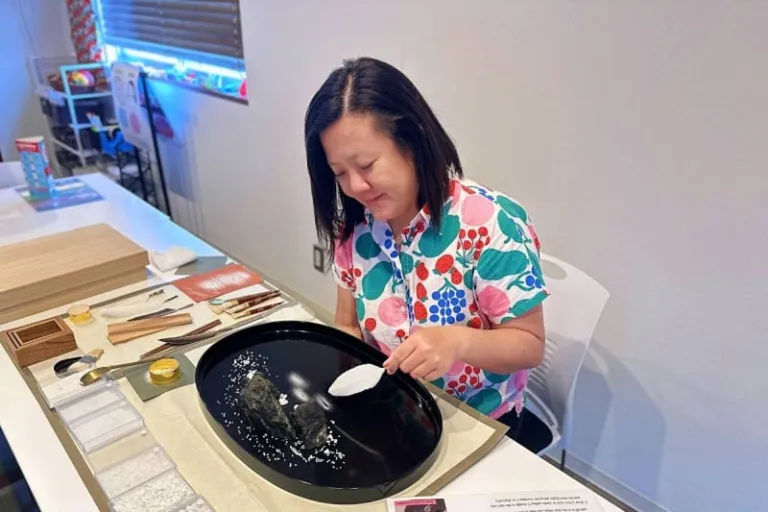
Bonseki is the art of crafting serene miniature landscapes with sand and stones
In Kumamoto, the hometown of Eiichiro Oda, the creator of the popular manga and anime series “One Piece,” life-sized bronze statues of the Straw Hat Pirates can be found around the city. A statue of Monkey D. Luffy, the series’ courageous captain, stands proudly in front of the Kumamoto Prefectural Government Office.
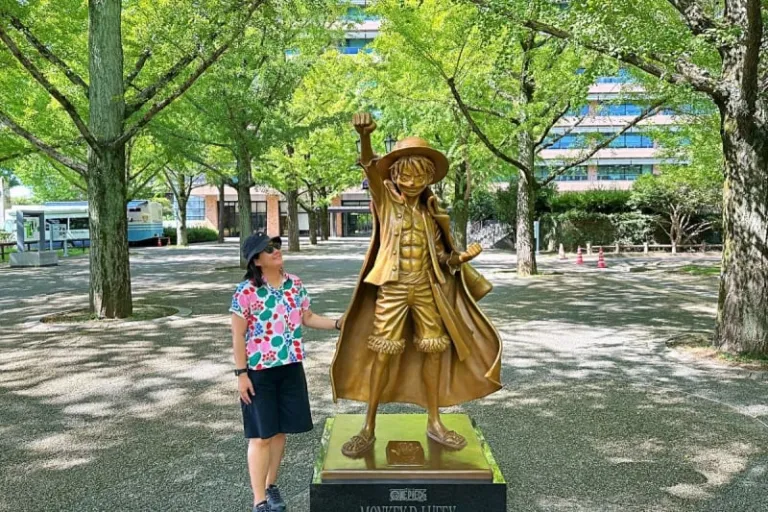
Posing with the statue Monkey D. Luffy, the main protagonist of the manga and anime series “One Piece”
Kumamoto is a fruit paradise, blessed with fertile soil and abundant groundwater that nurture top quality fruits like juicy watermelons and strawberries. Just a 30-minute drive from the city centre, Yuuhouen Fruits Land offers an all-year-round fruit-picking experience. I tried harvesting and eating premium Kyoho grapes and juicy pears in summer. Check the availability of seasonal fruits and reserve your fruit-picking visit through their website.
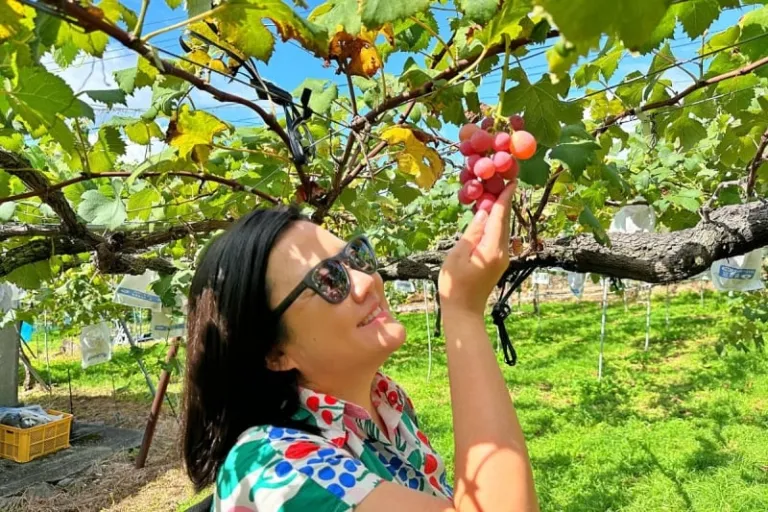
Grape-picking season is from August to September
No visit is complete without trying Kumamoto’s culinary delights: Ajisen ramen, Kumamoto is the birthplace of Kumamoto-style tonkotsu ramen infused with garlic, basashi, raw horse meat that is usually enjoyed with grated ginger, garlic and soy sauce, and premium wagyu beef.
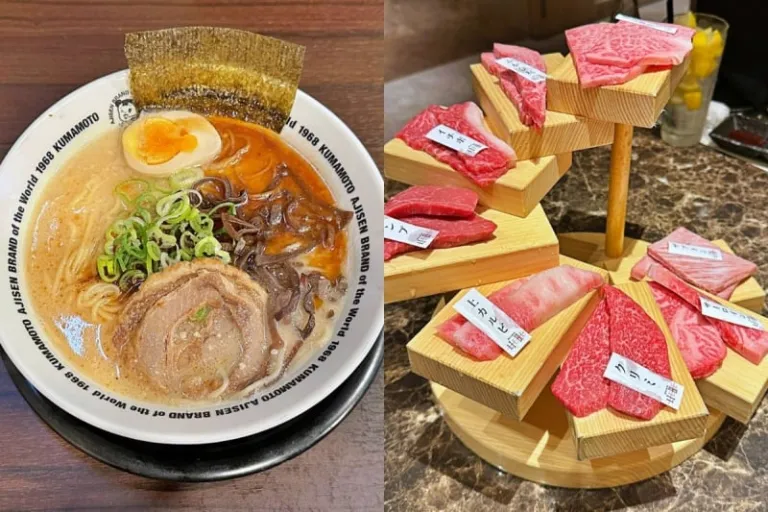
What to eat in Kumamoto: Ajisen ramen and wagyu beef
Kitakyushu
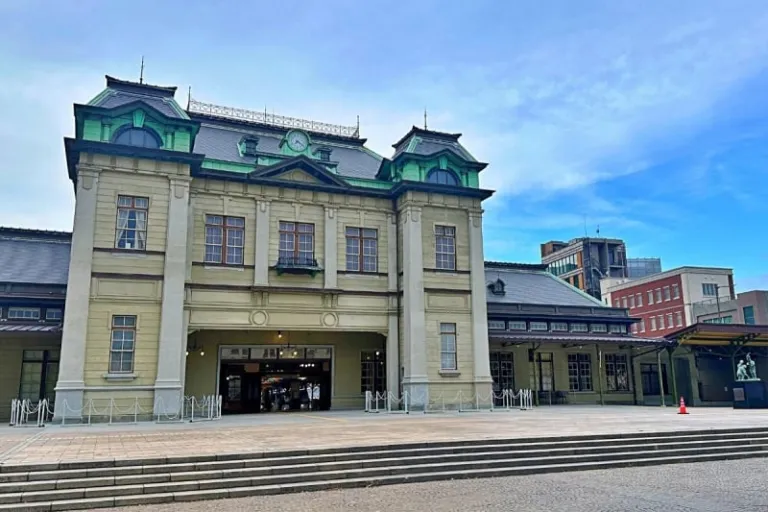
Step back in time at Mojiko Station, a charming gateway to Japan’s past
Situated at the northern tip of Kyushu, Kitakyushu is easily accessible from Fukuoka and ideal for a multi-day trip. Many of the city’s highlights are within walking distance of major train stations.
I began my exploration at Mojiko Station, an elegant historic landmark built in 1914 and Japan’s first active train station designated as a National Important Cultural Property. With its striking symmetrical Neo-Renaissance architecture, it serves as a grand gateway to Kitakyushu’s port district.
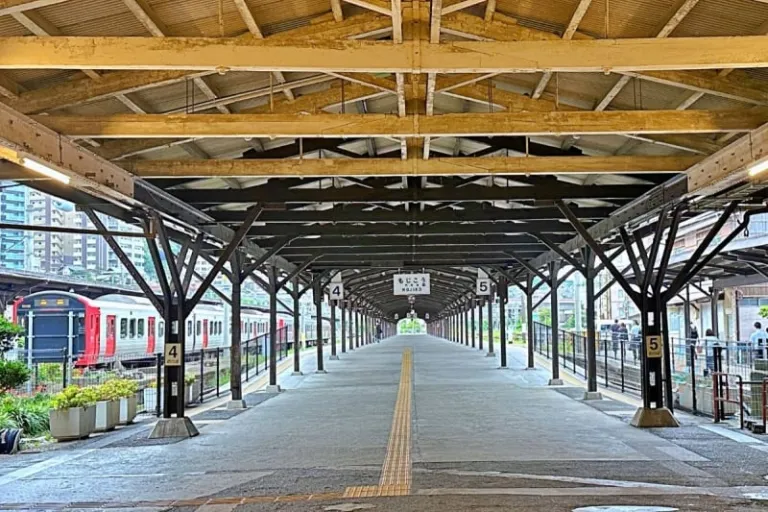
Mojiko Station’s ad-free train platforms let visitors soak in its historic charm
Mojiko, also known as Moji Port, is a photogenic sightseeing spot as its Mojiko Retro district showcases a charming collection of Western-style buildings from its bustling international trading days.
Just beyond the district, Mekari Shrine overlooks the Kanmon Straits, the vital waterway that connects Kyushu to Honshu, Japan’s main island, via Shimonoseki in Yamaguchi Prefecture. The shrine offers panoramic views of the impressive Kanmon Bridge, a striking suspension bridge that spans the ocean.
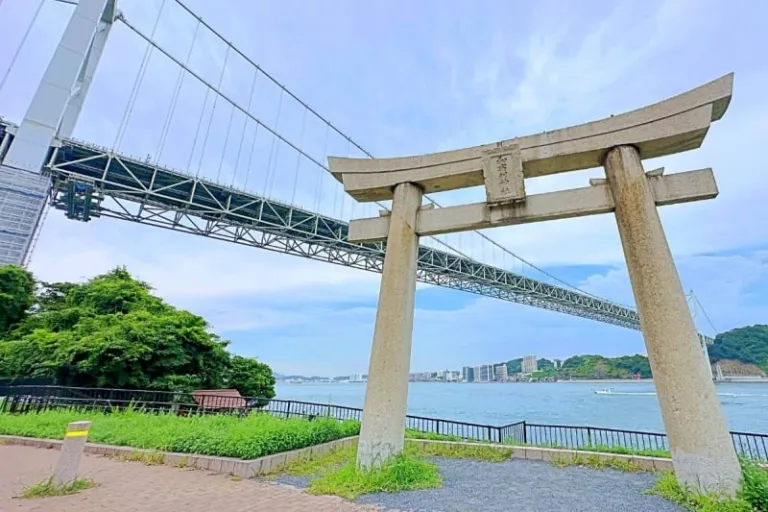
Mekari Shrine and Kanmon Bridge that connects Kyushu and Honshu, mainland Japan
Kokura, the administrative and commercial core of Kitakyushu, is centered around Kokura Castle, a reconstructed fortress with a scenic moat and gardens. At the adjacent Kokura Castle Garden, visitors can partake in a traditional tea ceremony while enjoying views of the castle.
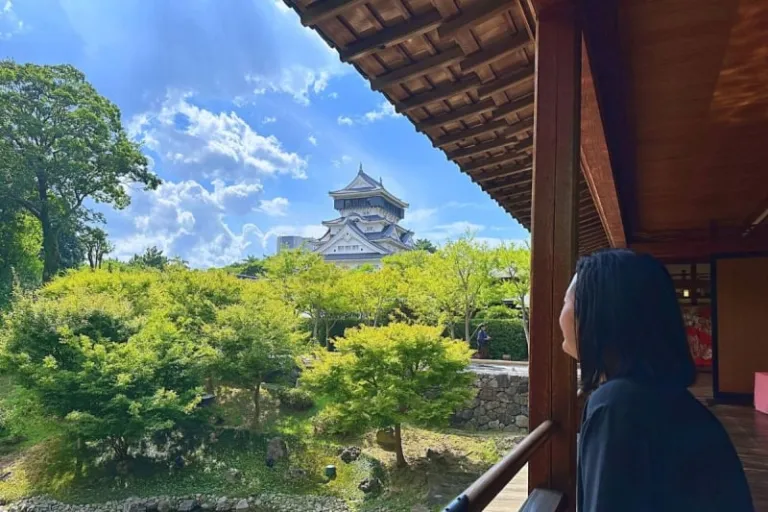
View of Kokura Castle from Kokura Castle Garden
Take home a piece of history from Kokura Shima Shima, a local shop delicated to the art of Kokura-ori, a traditional Japanese weaving style once used for samurai attire. With its thick, durable fabric and bold vertical stripes, Kokura-ori is now designed as stylish bags, accessories and artworks–that make great gifts.

Kokura-ori, a traditional Japanese weaving art form
Step into local life at Tanga Market, Kitakyushu’s beloved “kitchen” for over a century. The sights, sounds, and aromas come alive as I wander through bustling stalls brimming with fresh seafood, street food, and regional specialties like nukadaki (fish simmered in fermented rice bran).
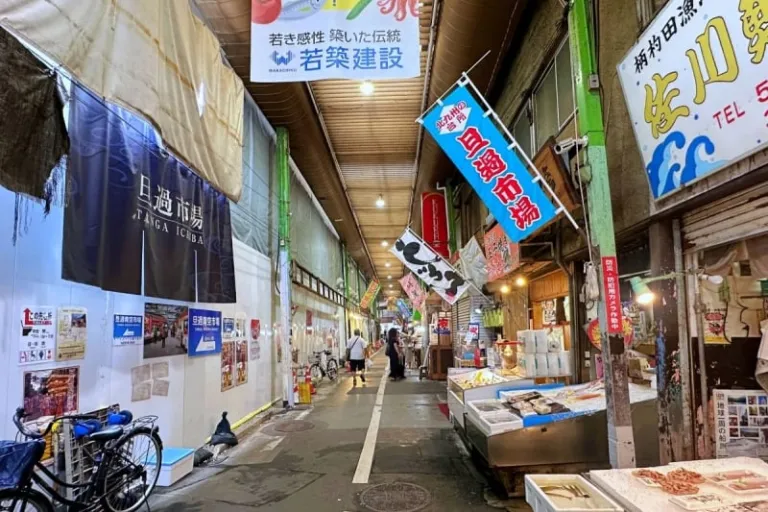
Tanga market is a covered local market street in Kitakyushu
Surrounded by bountiful seas, Kitakyushu is a premier destination for fresh seafood with outstanding sushi shops and fugu (pufferfish) is a prized local delicacy. I indulge in a fugu kaiseki feast, prepared by the expert chef at the long-running Tenka restaurant–sampling delicate, thinly sliced sashimi along with grilled, boiled, and deep-fried dishes of this premium fish.
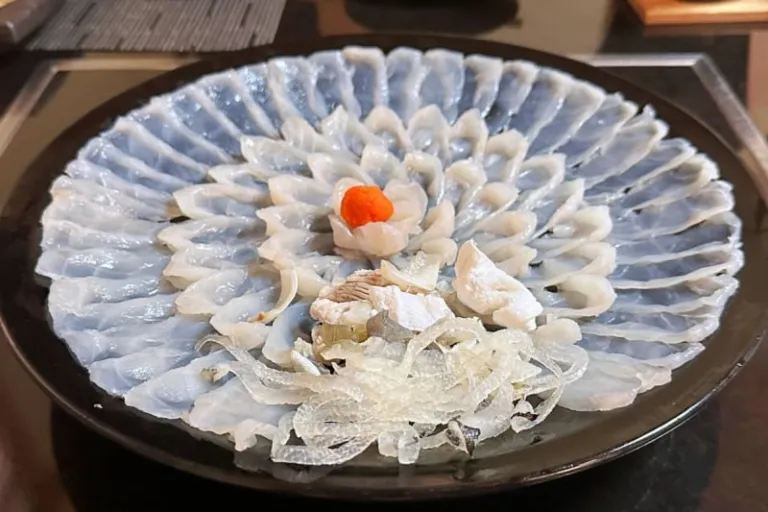
From the Kanmon Straits to the table: Kitakyushu’s famous pufferfish
Other than seafood, Kitakyushu is also known to be the birthplace of Japan’s most famous bathroom brand and its TOTO Museum. Flush with creativity, the museum offers a surprisingly fun dive into the world of design, innovation and everyday comfort.
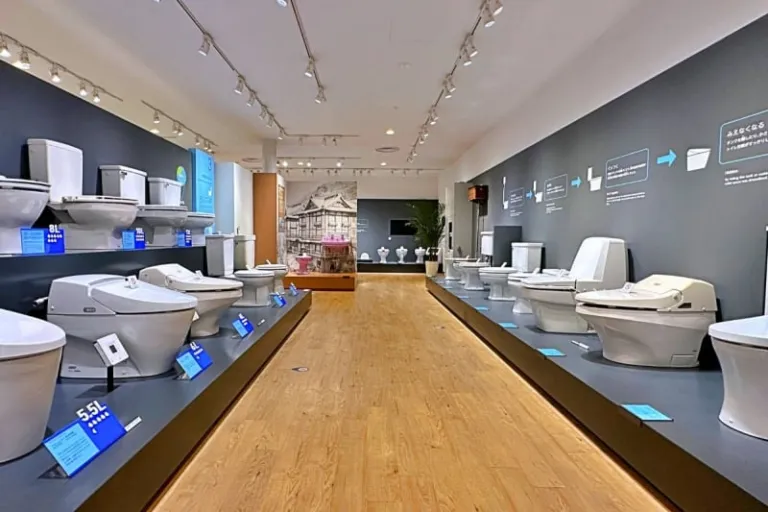
Toilet technology and innovation on display in TOTO Museum
Other than eating, you can enjoy shopping at The Outlets Kitakyushu that features a wide range of international and local brands for a satisfying shopping break.
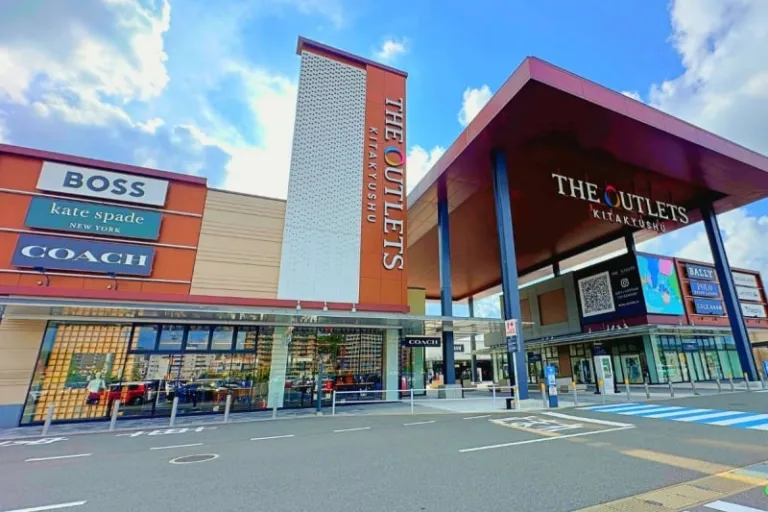
The Outlets Kitakyushu is one of the largest outlet malls in Kyushu
Ready to explore the best of Kyushu? Start planning your next holiday and discover more about each destination by visiting the official travel sites for Fukuoka, Kagoshima, Kumamoto and Kitakyushu.
Win FREE flight tickets to Fukuoka!
Did you enjoy the article? Well, here’s your chance to discover the Big Four Cities of Kyushu on a trip of your own! Simply read this article and then complete this survey for your chance to win. Hurry, contest ends 31 Jan 2026!

About Author
After spending her entire life on the tropical island of Singapore, Wendy moved to another island, Okinawa for 2 idyllic years. During her stay in Japan, she ate through 27 prefectures – still short of her goal to conquer all 47 prefectures. With extensive teaching experiences in Singapore, Japan and around the world on Peace Boat, she is an education consultant who dreams of being a full-time traveller. Find out more about her escapades at <a href="http://whywendywrites.com">whywendywrites.com</a>
Recommended Reads
8 Must-Visit Temples in Kyoto
Culture & Heritage
Geisha Hunting in Kyoto: How to Spot a Real One
Culture & Heritage