
Get Paid to Move to This Greek Island? Here’s What We Know About Antikythera
The island has fewer than 50 permanent residents today!

The idea sounds almost too good to be true: A quiet Greek island, free housing, and up to €500 a month to live there.
My feed has been flooded with the news of Antikythera, an island in Greece, and the story of getting paid to move there. But how much of this story is actually real? And could you really pack your bags and move tomorrow?
Tiny Island, but a Big Problem
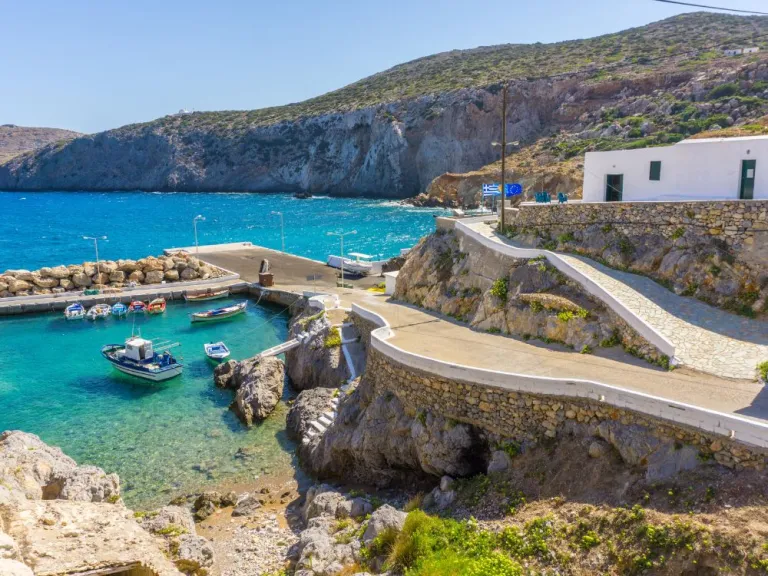 Image credit: Charalambos Andronos from Getty Images
Tucked between Crete and the Peloponnese, Antikythera is home to fewer than 50 permanent residents. Like many rural destinations across Europe, its population has been shrinking for decades.
To reverse this, local authorities, along with the Greek Orthodox Church of Kythera, have explored ways to attract new long-term residents, not tourists.
This is where the now-viral “get paid to move” story begins.
The Offer: What’s Been Reported
Various reports over the years suggest that selected families may receive:
A monthly allowance of around €500 for up to three years
Housing (or land to build a home)
Basic support to help them settle into island life
In total, that works out to roughly €18,000 to €20,000 in financial support.
Sounds like a dream? Well, there’s a catch.
The Reality
Despite the headlines, this is not an open, ready-to-apply programme. But there are things that they don't tell you...
It’s highly selective
Priority is typically given to families (often with multiple children) and those with practical skills like farming or constructionNo clear public application system
There isn’t a simple website where you can sign upHousing isn’t always ready
Some reports suggest construction delays and limited availabilityIt’s not a government-wide programme
It’s largely a local initiative, not a national relocation scheme
Why Families Are the Focus
 Image credit: Charalambos Andronos from Getty Images
This initiative isn’t about attracting digital nomads or short-term expats. It’s about rebuilding a community. Local leaders want:
Schools to reopen
Businesses to stay alive
Daily life to feel sustainable again
That’s why families and people who can contribute to island life are prioritised.
What Life There Is Really Like
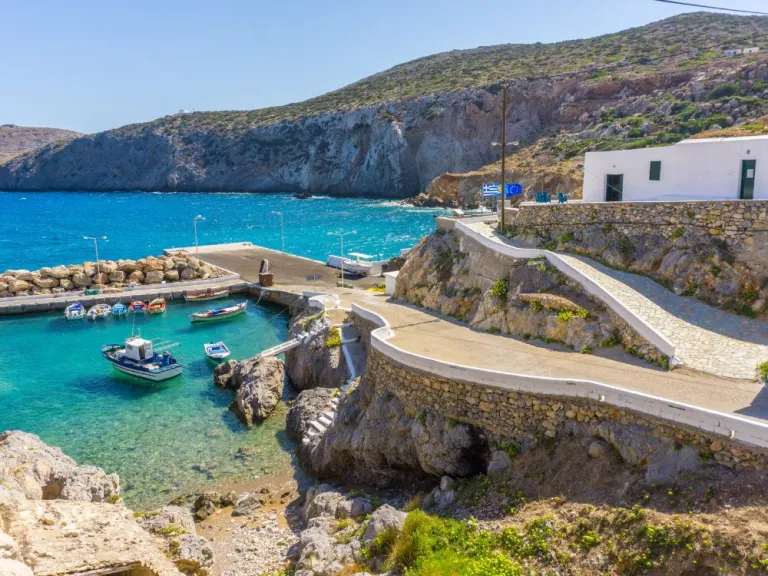 Image credit: Charalambos Andronos from Getty Images
Antikythera isn’t Santorini or Mykonos. Life here is:
Quiet and slow-paced
Surrounded by raw, untouched nature
Deeply community-driven
But it also means:
Limited shops and services
Dependence on ferry schedules
Travelling for healthcare or education
For some, that’s a dream. For others, it’s a big adjustment.
Part of a Bigger Trend
Antikythera isn’t alone. Across Europe and beyond, smaller towns are offering incentives to attract residents as populations decline.
From Italy’s €1 homes to regional grants in Spain and Greece, this reflects a growing shift: Places are looking for people, not just visitors.
So… Can You Really Move There?
Technically, yes. But realistically, it’s not as easy, or as immediate, as social media makes it seem.
Think of it less as: “Get paid to live your Greek island dream”, and more as: “Commit to rebuilding a remote community, with a little support along the way”.

About Author

Born in a new village in Selangor, Malaysia, Cecelia loves three things in life: Good food, good views, and good deals. She also enjoys exploring new places and experiencing new things on her travels.
Recommended Reads
6 Epic Train Journeys Starting from Singapore: To Bangkok, Korea & Even Europe
Cruises & Land Journeys