
The Essential Guide to Pyeongchang: Top Things to Do
There’s plenty to do at the host city of the 2018 Winter Olympics!

Pyeongchang gained worldwide attention when it hosted many of the snow events at the 2018 Winter Olympics and Paralympics. Long before the Games, however, this mountainous county in Gangwon State was already one of South Korea’s leading destinations for skiing and outdoor recreation.
Winter remains its busiest season, but Pyeongchang is not solely a ski destination. Forest trails, traditional markets, cultural experiences and spectacular mountain scenery make it worth visiting throughout the year.
High-speed KTX trains also connect Seoul with stations in Pyeongchang, making the region easier to reach than its peaceful mountain setting might suggest.
Here are six of the best things to do in Pyeongchang.
Also read: 5 Ski Resorts Around Pyeongchang That You Must Visit
1. Get the low-down on Korean culture at Jeonggangwon
Learn more about Korea’s culinary traditions at Jeonggangwon, a cultural complex dedicated to preserving and sharing traditional Korean food.
The grounds combine hanok-style buildings, landscaped gardens, a food museum, fermentation jars and accommodation inspired by traditional Korean architecture. Its peaceful rural setting provides an atmospheric introduction to the ingredients and techniques behind Korean cuisine.
Depending on the programme available, visitors may be able to try making foods such as gochujang, doenjang, songpyeon or injeolmi. These hands-on experiences may require advance reservations, so check directly with Jeonggangwon before visiting.
Guests can also enjoy traditional Korean meals at the restaurant or stay overnight within the complex.
2. Ski resorts
Skiing and snowboarding remain among the biggest reasons to visit Pyeongchang during winter.
MONA YongPyong, formerly known simply as Yongpyong Resort, is one of South Korea’s most established ski destinations. Its slopes cater to different ability levels, and the resort hosted the slalom and giant-slalom events during the 2018 Winter Olympics.
Nearby Alpensia Resort offers a more compact skiing experience with beginner-friendly slopes, accommodation and leisure facilities. The surrounding Alpensia Sports Park was also central to the 2018 Games, hosting events such as ski jumping, biathlon and cross-country skiing.
Phoenix Pyeongchang Snow Park is another major winter-sports destination in the county. It served as the Olympic venue for freestyle skiing and snowboarding events.
The ski season generally runs from late November or December into February or March, but opening dates and snow conditions vary each year. Check the individual resort’s operating calendar before travelling.
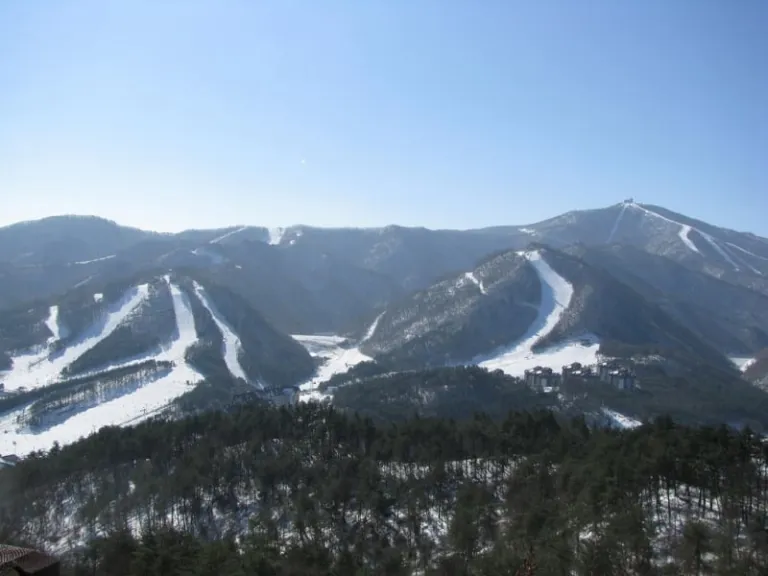
Image credit: Travelling Runes
3. Enjoy the Korean alps
Pyeongchang’s mountain scenery is not limited to winter.
During spring and summer, the forests and valleys turn green, while autumn brings colourful foliage across the surrounding Taebaek Mountains. The cooler highland climate also makes the area a welcome escape from South Korea’s hotter cities.
Odaesan National Park is one of the region’s best-known destinations for walking and hiking. The approximately one-kilometre fir forest trail leading to Woljeongsa Temple is particularly accessible, with tall trees lining both sides of the path.
Travellers looking for a longer walk can follow sections of the Seonjaegil Trail between Woljeongsa and Sangwonsa temples. The entire route stretches for around nine kilometres through forests and beside streams.
Trail conditions can change because of rain, snow and maintenance work, so check current access before starting a longer hike.
4. Pyeongchang Trout Festival
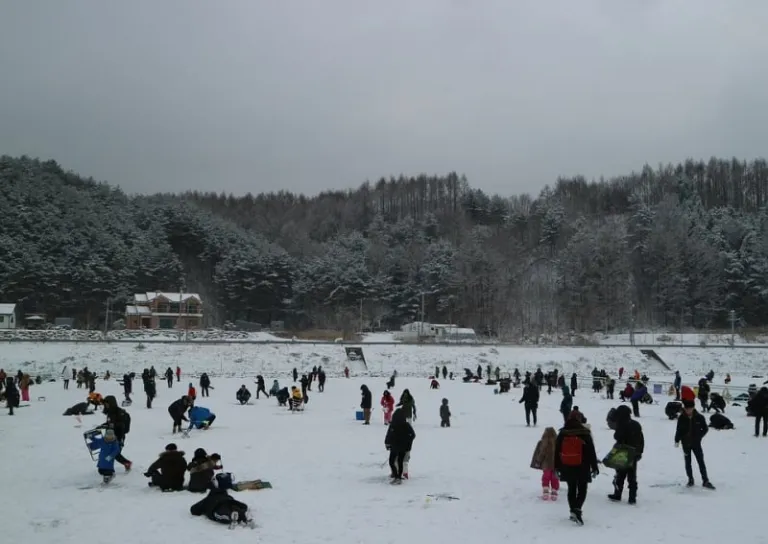
Every winter, the frozen Odaecheon Stream becomes the setting for the Pyeongchang Trout Festival.
The festival’s headline activity is ice fishing. Participants lower their lines through holes cut into the frozen stream and wait for a rainbow trout to bite. Tent fishing areas provide additional shelter from the cold, while selected programmes may include bare-handed trout catching and activities for children.
After landing a fish, visitors can have it prepared at the festival grounds and enjoy it grilled or served as sashimi.
The wider event typically includes ice and snow activities such as sledding, skating and traditional games, although the programme changes from year to year.
Festival dates depend on winter temperatures and safe ice conditions. Check the official schedule before making transport or accommodation arrangements.
5. Bongpyeong Five-day Market
Pyeongchang’s Bongpyeong area is strongly associated with buckwheat, known in Korean as memil.
At Bongpyeong Five-Day Market, visitors can sample dishes such as memil makguksu noodles, buckwheat pancakes, stuffed buckwheat crepes, steamed buns and memilmuk, a savoury buckwheat jelly.
The market is held on dates ending in 2 and 7, such as the 2nd, 7th, 12th, 17th, 22nd and 27th of each month. This schedule gives it the traditional designation of a five-day market.
Bongpyeong is also connected to Korean writer Lee Hyo-seok, whose celebrated short story When Buckwheat Flowers Bloom was set in the area. The Lee Hyo-seok Culture and Arts Village explores his life and literary legacy, while nearby buckwheat fields generally bloom around late summer.
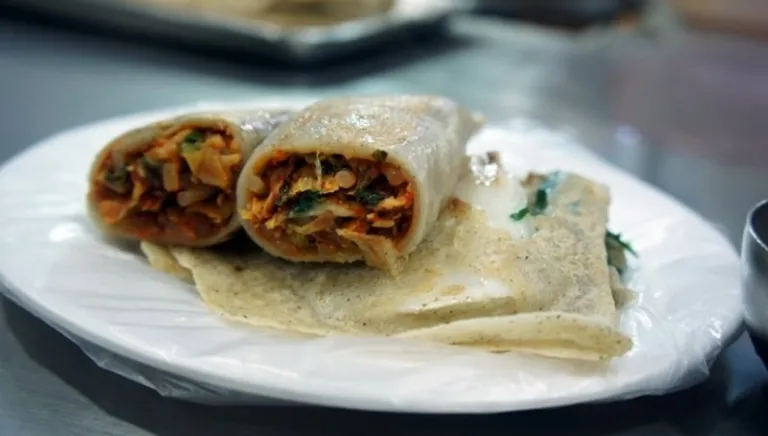
Image credit: 김다혜
6. Byeongbangchi Skywalk
For sweeping views of Pyeongchang’s mountains, take the cable car from MONA YongPyong to the summit area of Balwangsan Mountain.
The 7.4-kilometre Balwangsan Cable Car climbs to an elevation of more than 1,400 metres, providing panoramic views throughout the journey. Once at the top, visitors can follow walking paths and step onto the Balwangsan Mountain Skywalk.
The elevated observation deck overlooks the surrounding ridges and forests. Depending on the season, the scenery may feature snowy slopes, lush greenery or autumn foliage.
The cable car and skywalk operate outside the ski season as well, making this one of Pyeongchang’s strongest year-round attractions. Services may be suspended because of strong winds, bad weather or scheduled maintenance, so confirm operations before travelling.
Pyeongchang may be best remembered internationally as an Olympic host, but its appeal extends far beyond the sporting venues.
Come in winter for skiing and ice fishing, visit during autumn for mountain foliage or explore its temples, markets and food traditions at a slower pace during the warmer months.
Whatever the season, Pyeongchang offers a refreshing combination of outdoor adventure and rural Korean culture within relatively easy reach of Seoul.

About Author

Being a street photographer and travel writer, Stuart is always searching for the perfect shot that tells a story. He's got his heart set on adventuring around Asia using South Korea as his base and creates content to help aspiring photographers document their own travels through the continent.
Recommended Reads
6 Epic Train Journeys Starting from Singapore: To Bangkok, Korea & Even Europe
Cruises & Land Journeys
Unexplored Korea: Scenic Cultural Cities of Suncheon and Yeosu
Culture & Heritage