
Travel Tips for Singaporeans Travelling to Eastern Europe: An Essential Survival Guide
Dreaming of a Euro summer, but worried about the cost? Presenting to you: Eastern Europe!

Eastern Europe is having a serious moment on social media right now. That's really no surprise given the higher tourist taxes, overcrowded capitals, and pricier flights you have to deal with if you travel to Western Europe. Meanwhile, cities like Bucharest, Krakow, and Sofia offer the same sweeping historical scenery and café culture at a fraction of the cost.
Eastern Europe is not just cheaper, but a smarter choice for a holiday destination. It has equally stunning scenery for a fraction of the price and crowds. Classic European cobblestone streets, baroque thermal baths, even brutalist architecture can be found in Prague, Sarajevo and Serbia without tourist throngs.
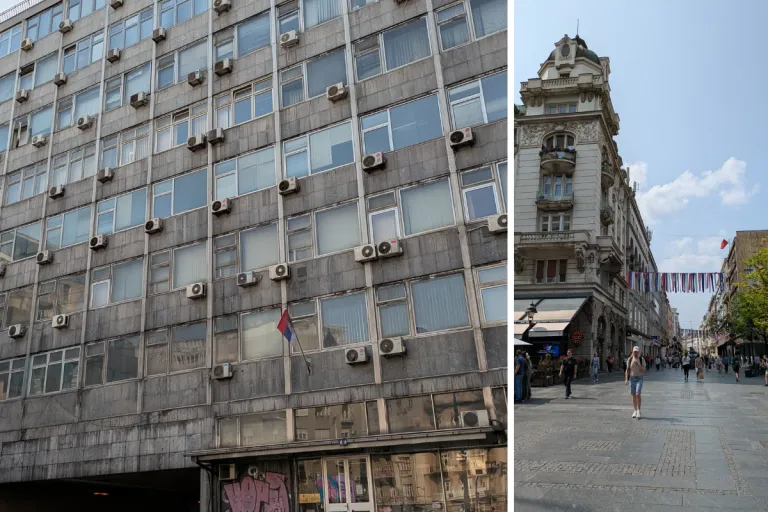 Image credit: Dex Quek
Getting there and navigating the trip smoothly, requires a bit more planning than traditional European destinations. Here are some essential Eastern Europe travel tips for Singaporeans to give you the confidence to book a trip to this under-exposed region.
Also read: 8 Types of Travellers in Every Friend Group (Which One Are You?)
Getting There From Singapore
Flight Paths
There are no direct flights from Changi Airport to most Eastern European capitals at the time of writing. So, you'll definitely need to stop at one of the transit hubs in Central Asia or the Middle East such as Dubai or Doha. The cheapest options I found during my research tend to be Turkish Air and Gulf carriers such as Emirates and Qatar.
On my trip to Montenegro in May 2025, I flew with Turkish Airlines and transited through Istanbul airport, spending a night in Istanbul through their stopover programme. I found that at least 3 hours of transit time between flights was the safest option to factor in potential flight delays and to locate your correct boarding gate. It may seem long but transit hubs like Istanbul and Doha airport can be huge and confusing to navigate for the first time. I'll be sticking to this rule after hearing a horror story about my friend who missed her connecting flight from Istanbul because she waited at the wrong boarding gate (she was at XXa instead of XXb). It's a lesson I certainly prefer learning the easy way when I heard it!
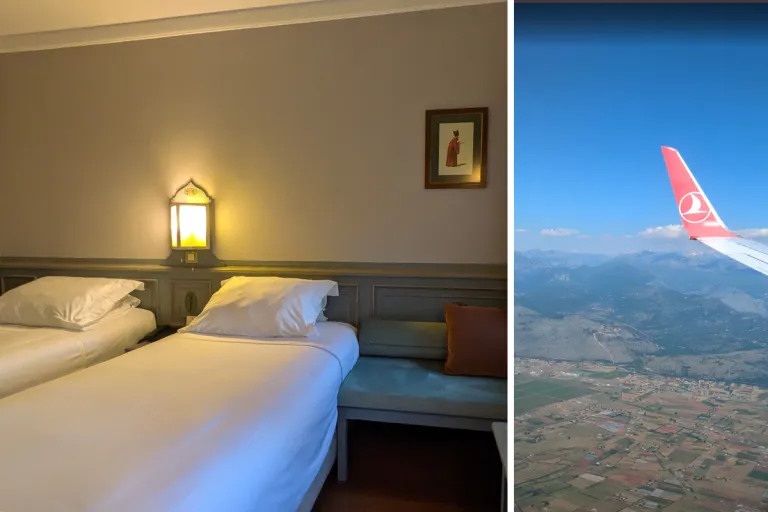 Image credit: Dex Quek
However, in 2026, Middle East political conflicts has led to airspace complications and rising fares on these routes. Many Singapore-based travel agencies have even suspended tour packages that rely on Gulf carrier connections. It is, therefore, worth looking at alternative strategies.
The most reliable approach right now is to fly from Singapore to a major European hub such as Istanbul or Frankfurt, then board a connecting flight with a regional carrier. Singapore Airlines currently operates direct services to Brussels, Frankfurt, and Istanbul, all of which have into Eastern Europe. Thai Airways offers flights that avoid the Middle East airspace, but as you would naturally expect with increased demand, fares are slightly more expensive than usual.
One important caveat is that budget carriers can be extremely strict about baggage allowances. It's always safer to add check-in luggage online in advance. Getting caught with oversized baggage is a costly mistake that can rack up travel expenses (and frustration) quick. If you're the type of traveller to bring lots of baggage, consider flying with more established airlines that include checked baggage in your ticket fare.
Coaches and Trains
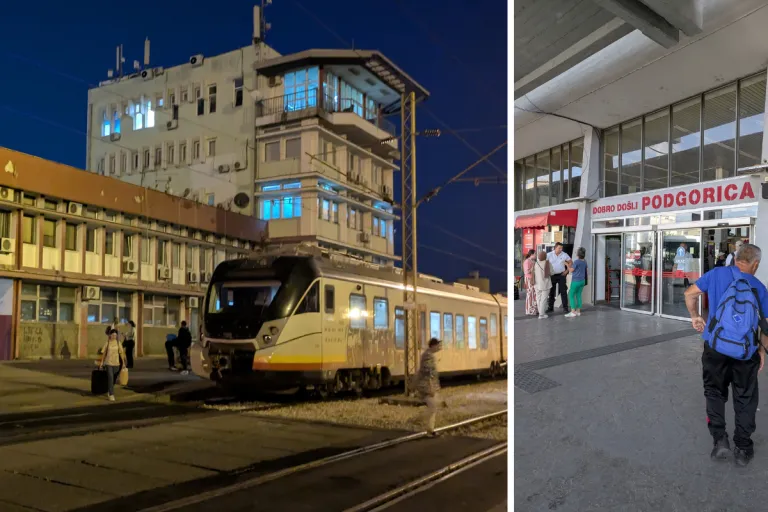 Image credit: Dex Quek
Most European hubs offer overland options such as coach and trains into Eastern Europe. Budapest, Prague and Vienna are popular transport hubs for this options as they are located in between Eastern and Western Europe.
When to Book Your Trip
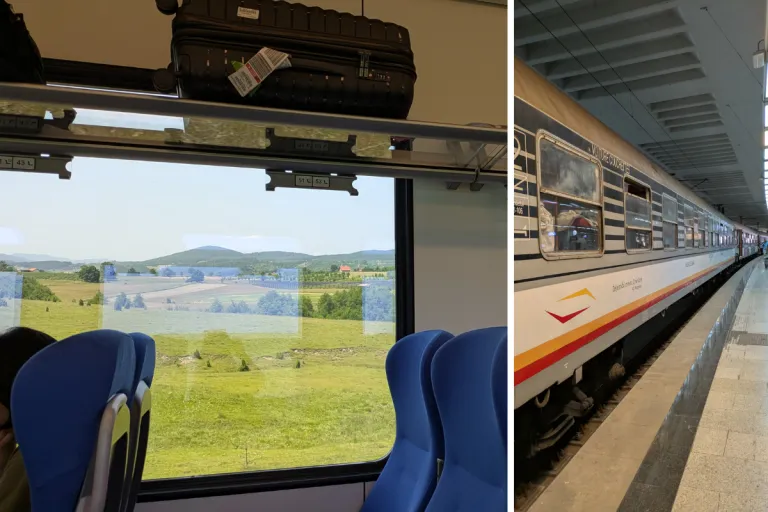 Image credit: Dex Quek
Recent fare data suggests that May offers some of the cheapest Singapore-to-Europe booking windows, well before the summer crowd surge and the year-end holiday spike.
Coach and train tickets can be booked closer to your travel date. I found Omio.com to be helpful in checking routes and comparing prices from different providers. In some Eastern European countries however, you might need to purchase bus and train tickets from the counter. That was the case for Montenegro in mid-2025.
Visa Matters for Singaporeans
As a Singapore passport holder, you do not need a visa. You are permitted to enter and stay in the Schengen Area for up to 90 days for tourism purposes. The Schengen Area which covers most of Eastern Europe, including Poland, the Czech Republic, Hungary, Romania, and Bulgaria.
Countries outside the European Union such as ex-Yugoslavia countries have different rules. Most are still visa-free but in some cases, you might need to register your period of residence at tourist offices.
What The Rolling 180-Day Rule Means and How To Count Your Stay Period
That 90-day allowance does not reset every time you cross into a new Schengen country. The rule applies to the entire Schengen Zone, and it is calculated on a rolling 180-day basis.
In practice, this means that on any given day, the border system looks back 180 days from today and counts every single day you have spent anywhere in the Schengen Area. If that total reaches 90 days, you must leave. Crossing from Prague to Budapest does not reset your 90 day limit: it counts as continuous time in the zone.
This translates to around 12 weeks. If you don't want to count by the weeks. The simplest way to track this is to use a dedicated app. Schengen Simple and Schengen Calculator 90/180 are highly-rated options available on iOS and Android. Both let you log past trips and calculate exactly how many days you have left.
It's important to note: the UK is outside the Schengen Area, so any days spent in England, Scotland, Wales, or Northern Ireland are counted separately and do not eat into your 90-day Schengen limit.
Entry Requirements From 2026 Onwards
Entry/Exit System (EES): As of late 2025, passport stamping at European borders has been replaced by a biometric registration system. On your first entry into the Schengen Area, border officials will scan your fingerprints and take a facial image. The system has been associated with longer processing times since its rollout, so budget an extra one to two hours for immigration clearance, especially at major hub airports.
ETIAS: After late 2026, Singaporeans will need to apply for the European Travel Information and Authorisation System (ETIAS) before boarding any flight to a Schengen country. Think of it as a digital pre-clearance form rather than a visa. The application fee is €7 (approximately S$10) for most applicants, and it is free for those under 18 or over 70. Once approved, it is valid for three years or until your passport expires, whichever comes first.
Tourist Tax
Another underappreciated Eastern Europe travel tip for Singaporeans: tourist taxes in Eastern and Central Europe are far lower than in the West. While Paris can charge up to €16 per person per night at luxury hotels, and Barcelona's combined city and regional levies can exceed €10 per night, the picture is very different once you head east.
Some price estimates by country:
Country | City | Tourist Tax (Approx.) |
|---|---|---|
Czech Republic | Prague | 50 CZK (~S$2.90) per person, per night |
Hungary | Budapest | 4% of your nightly room rate |
Montenegro | Kotor, Tivat | €1.00 per night, can be lower for each province |
Romania | Bucharest | 10 RON (~S$2.90) per night |
Poland | Krakow / Warsaw | ~3 PLN (~S$1.30) per night |
How to Pay Tourist Tax
Do not assume your Booking.com or Agoda reservation covers this fee. In most cases, it does not. The tourist tax is a separate municipal levy collected directly by your accommodation provider, usually at check-in or check-out. You should always double check with your accommodation host and local government announcements online.
In smaller, family-run guesthouses and boutique hostels, which are common across Eastern Europe this specific charge is often expected in local cash currency, even if you paid for the room itself by card. This means you may need Polish Zloty, Czech Koruna, or Romanian Leu specifically for this purpose. More on that in the next section.
Payment Methods
 Image credit: Syda Productions via Canva Pro
Cash Is Still King Throughout Eastern Europe
Despite the widespread availability of cashless payment modes in Western Europe, cash is still a necessity in Eastern Europe, particularly once you venture outside tourist centres. Local markets, smaller eateries, regional bus services, and public toilets frequently do not accept cards because of extra transaction fees. Most places do accept Euros if you don't have local currencies, so it's a good idea to keep a stash of Euros on hand (more than you think is necessary).
The smartest approach is to keep back-ups: use a multi-currency card (like YouTrip or Revolut) for hotels, supermarkets, and larger restaurants, and carry local cash for everything else.
Tip! Ask for smaller denominations at the money changer. Most smaller establishments lack change for €50s, much less a €100.
Withdrawing Cash
When you need to withdraw local currency, use ATMs attached to established local or international banks. Avoid the bright orange Euronet ATMs, which are common in tourist areas across Eastern Europe and are known for offering poor exchange rates and adding hidden conversion fees.
Expected Costs
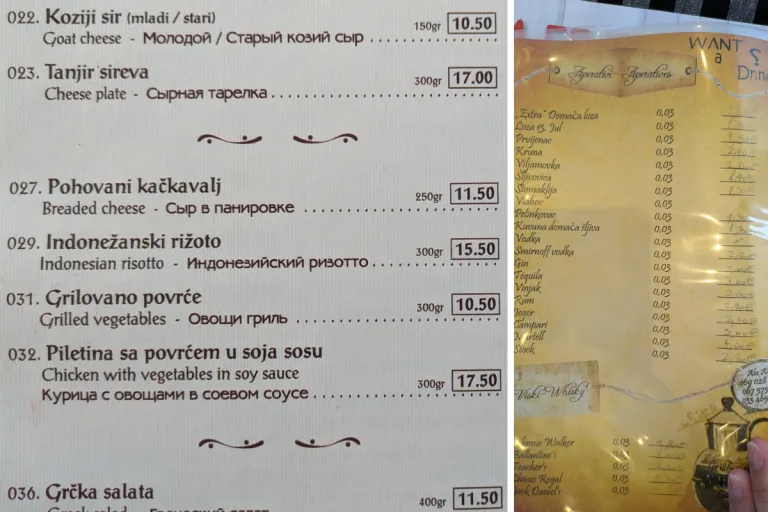 Image credit: Dex Quek
This is where Eastern Europe starts to shine as a destination. Across Poland, Hungary, Romania, and Bulgaria, daily travel expenses sit well below what you would spend in Paris, London, or Amsterdam. A mid-range restaurant meal typically costs between €12 and €20 (roughly S$17 to S$30), while a fast-food meal comes in at around €8 (S$11) on average, upGrad.com reports. Urban transport passes for tourists in most Eastern European capitals are available for between €25 and €50 (S$35 to S$70) per month.
Picking up groceries and cooking a few meals at your accommodation can cut food costs by up to 40%, freeing up your budget for the experiences that matter. That means more day trips, thermal bath sessions, and river cruises.
Also read: 5 Easy Day Trips from Seoul, South Korea You Can Take in Winter
Eastern Europe Is Still A "Hidden Gem", But Not For Long
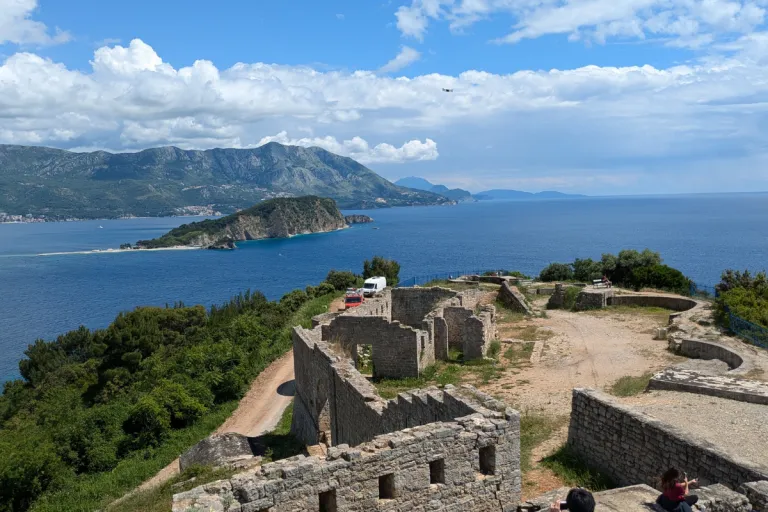 Image credit: Dex Quek
Western Europe has not lost its charm, but it has lost some of its ease. Pricier flights, heavier tourist taxes, overcrowded squares, and longer queues at borders are making the classic Eurotrip feel a little less worth the hassle.
Eastern Europe, has castles that are just as dramatic, with far cheaper food and transport. The cities have history layered into every street corner, and the locals have not yet grown tired of visitors.
Yes, there is slightly more admin involved, a biometric scan at the border, an ETIAS application to file before you fly, and a small stack of local currency to keep in your wallet. But once you are through those gates? You are looking at thermal baths in Budapest for the price of a hawker dinner, a rooftop bar in Warsaw that costs less than a round of drinks at Clarke Quay, and a full week in Krakow for what you would spend on a long weekend in Paris.
Eastern Europe is not the backup plan anymore. It is the plan. So stop saving it for "someday", set your Google Flights price alerts for May, and go on an Eurotrip you actually want.

About Author

Her motto is "experience everything at least once". An adrenaline junkie at heart, she is always down for spontaneous adventure, especially to exotic destinations. She finds the most meaningful aspect of travel is cultural immersion, and talking to locals is an underrated travel hack.
Recommended Reads
Undiscovered Destinations: The Next Hot Spots for 2025
Guest Contribution
A Guide to Bringing Power Banks on Airplanes
Editor's Pick
8 Easy and Scenic Walking Trails for Beginners in the UK
United Kingdom
The Smart Traveller’s Guide to Spotting Travel Scams in Southeast Asia
Guest Contribution