
Powerful Earthquakes Hit Japan, Venezuela and California: What Travellers Should Know
Stay safe and updated, peeps!

Three separate earthquakes struck different parts of the world this week, shaking northern Japan, Venezuela and Northern California within a short window of each other.
While Japan appears to have avoided major destruction, and California’s impact was serious but localised, Venezuela is facing a far more severe emergency, with collapsed buildings, deaths, injuries and ongoing rescue efforts.
For travellers, the news is an important reminder that earthquakes can happen with little warning, especially in seismically active regions. Here’s what happened, what has been confirmed so far, and what travellers should keep in mind.
A strong earthquake struck off Northern Japan
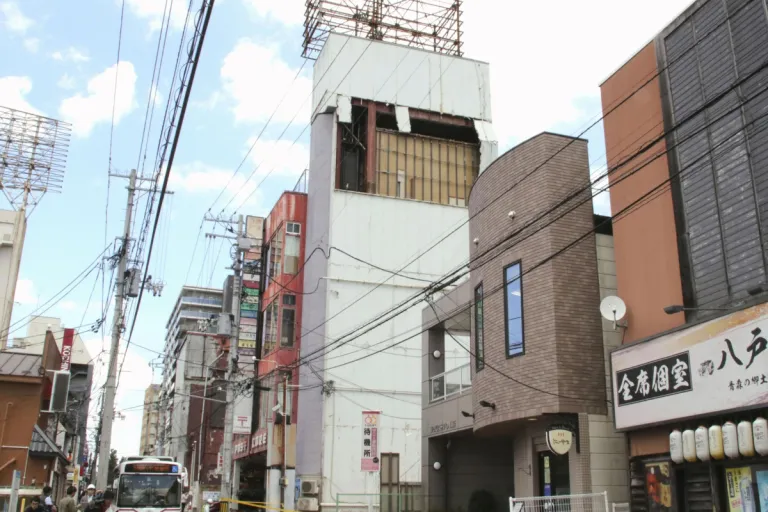 Image credit: Kyodo News | Official Website
A powerful earthquake struck off the eastern coast of Iwate Prefecture in northern Japan on Thursday morning, 25 June 2026. The quake was initially reported as magnitude 6.9, but Japan’s Meteorological Agency later revised it to magnitude 7.2.
The tremor was felt across parts of northern Japan and reportedly reached as far as Tokyo, though the shaking in the capital was mild. Despite the strength of the quake, officials said there was no tsunami threat.
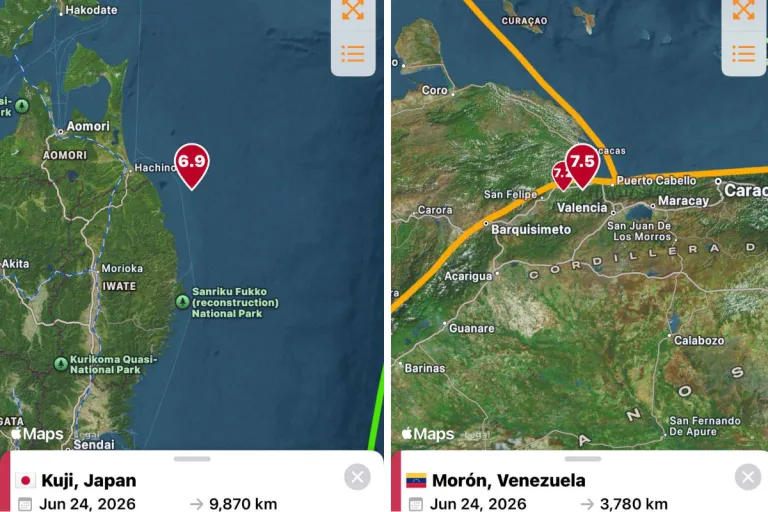 Image credit: @thefancyface74 | Threads
That is an important detail for travellers, especially those visiting coastal areas in Japan. Earthquakes in offshore regions can sometimes trigger tsunami warnings, but in this case, no tsunami warning was issued.
Were there injuries or major damage in Japan?
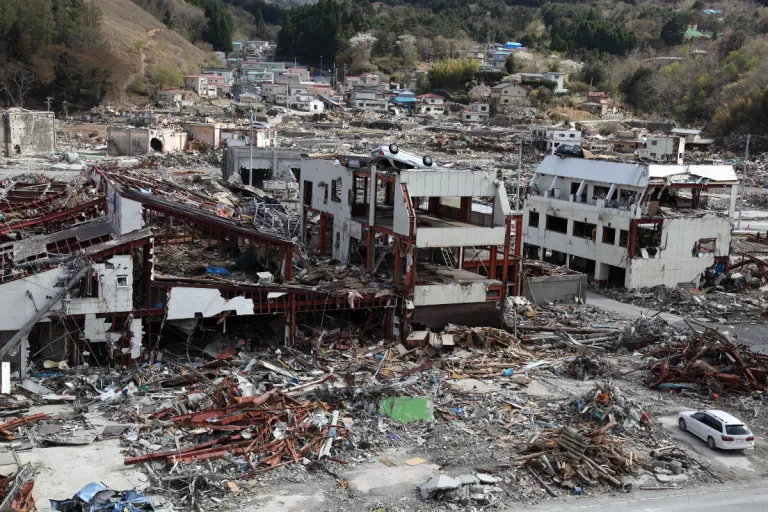 Image credit: Enase | Getty Images
So far, Japan has not reported major damage or casualties from the earthquake. Some train services, including parts of the shinkansen network, were temporarily suspended while safety checks were carried out. There were also reports of minor damage and disruptions in parts of northern Japan.
Japan is one of the most earthquake-prepared countries in the world, with strict building codes, public warning systems, and regular emergency drills. Even so, travellers in affected areas should still take local advisories seriously, especially after a strong quake.
 Image credit: Kyodo News | Official Website
If you are travelling in northern Japan, particularly around Iwate, Aomori, Miyagi, or nearby coastal regions, it is worth checking train schedules, hotel updates, and official local notices before heading out.
Northern California was also hit by a 5.6 earthquake
 Image credit: @solofidian | Official X
In the United States, Northern California was also shaken by a moderate but widely felt earthquake on Wednesday morning, 24 June 2026.
The magnitude 5.6 earthquake struck at around 8:10am Pacific Time near Redwood Valley and Willits in Mendocino County, roughly 225 kilometres north of San Francisco. The U.S. Geological Survey placed the epicentre about 11 kilometres north of Redwood Valley, at a depth of around 8 kilometres.
While this was far less powerful than the Venezuela quakes, it was still significant for the area. Reports described it as the strongest earthquake in the Redwood Valley-Willits region in decades.
Residents reported strong shaking, items falling from shelves, broken household goods and temporary business closures for safety checks. Some damage was reported at grocery stores and local buildings around Willits, although officials said there were no known major damages to public infrastructure.
Were there injuries or travel disruptions in California?
Mendocino County officials said some injuries were reported, but no deaths. The county’s Emergency Operations Centre was opened in monitoring mode while local agencies assessed damage across the area.
Power outages were also reported, with more than 6,000 residents affected in Willits, Laytonville, Leggett and Round Valley/Covelo. Local authorities encouraged residents to stay off major roadways so Caltrans, PG&E and county workers could inspect damage and carry out repairs.
Several aftershocks were recorded after the main quake, including smaller tremors around magnitude 2.5 to 2.7. For anyone travelling through Mendocino County, Ukiah, Willits, Redwood Valley or nearby parts of Northern California, it is worth checking accommodation updates, road conditions, local business openings and power restoration notices before moving around.
For travellers heading to San Francisco, Los Angeles, San Diego or other major California cities, there was no indication of widespread statewide disruption. However, the quake was a useful reminder that California sits in one of the most seismically active regions in the United States.
Venezuela faces a much more serious situation
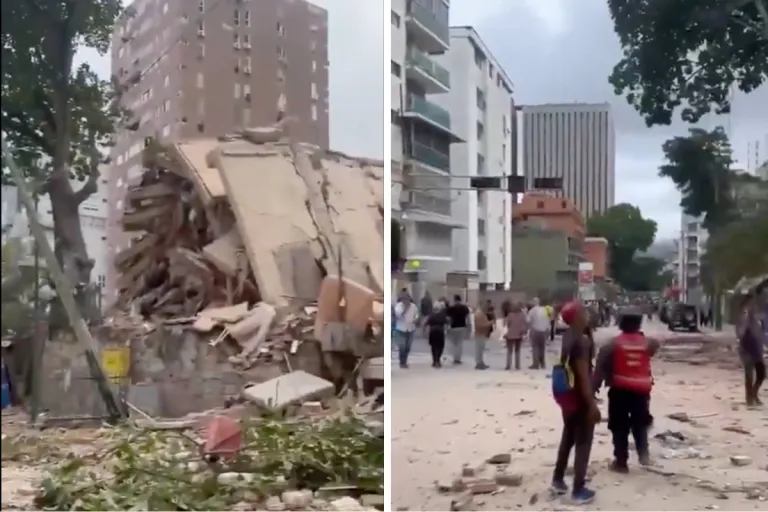 Image credit: @cristiancrespoj | Official X
In Venezuela, the situation is far more severe.
The country was hit by two powerful back-to-back earthquakes on Wednesday, 24 June 2026. The U.S. Geological Survey recorded the first quake as magnitude 7.2, followed less than a minute later by an even stronger magnitude 7.5 quake.
The earthquakes struck west of Caracas and were felt strongly in the capital and surrounding areas. Reports describe buildings collapsing, residents rushing into the streets, and emergency services responding to widespread damage.
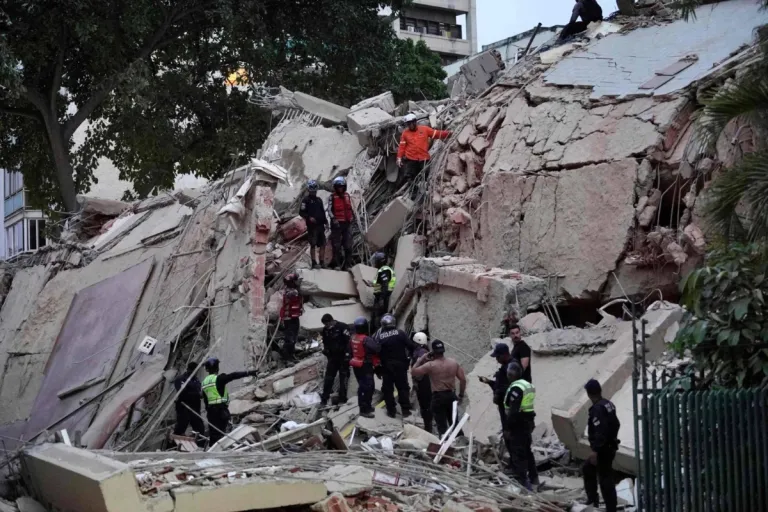
Image credit: JIJI | AFP
As of the latest reports, at least 32 people have died and more than 700 have been injured. Officials have warned that these numbers may rise as search and rescue operations continue.
Airports, schools, and transport have been affected
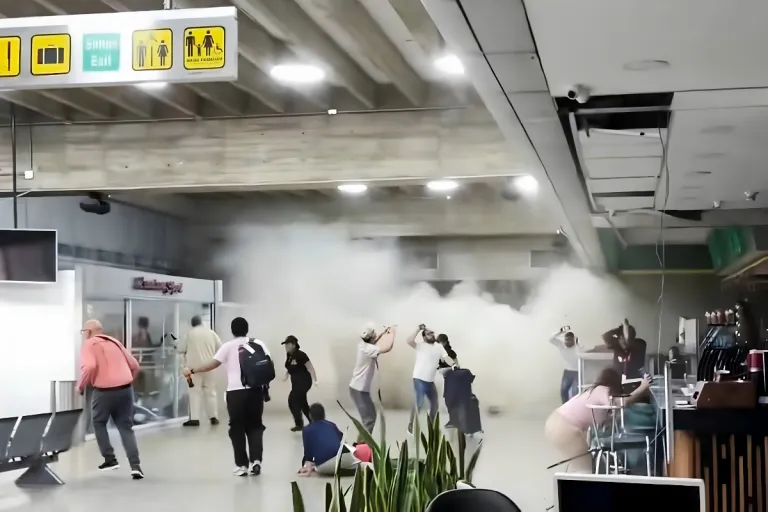 Image credit: @cristiancrespoj | Official X
The impact in Venezuela has gone beyond structural damage. The country’s main airport in Maiquetía, which serves Caracas, was reportedly closed due to earthquake-related damage. Schools were also closed, and hospitals were placed on high alert as injured residents arrived for treatment.
For travellers, this means movement in and out of the affected areas could be heavily disrupted. Flights may be delayed, cancelled, or rerouted, and local transport may be affected by damaged roads, unsafe buildings, and emergency response activity.
Anyone with travel plans to Caracas, La Guaira, Carabobo, or nearby areas should contact their airline, hotel, tour operator, and travel insurance provider immediately.
Was there a tsunami warning?
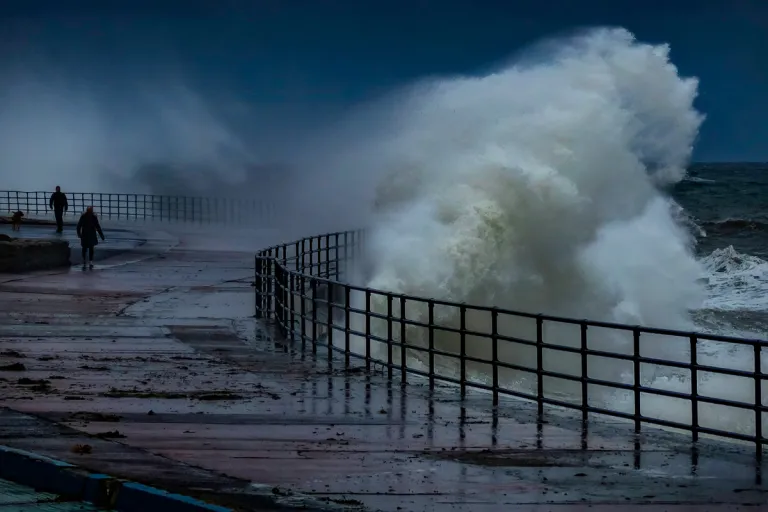 Image credit: Ray Baycliffs | Pexels
A tsunami warning was briefly issued after the Venezuela quakes, covering parts of the Caribbean region. However, that warning was later cancelled, and authorities said there was no longer a tsunami threat in effect.
This is another reminder that early earthquake alerts can change quickly. Initial warnings are often issued out of caution, then revised once scientists have more data. Travellers should always follow official advisories rather than relying only on social media updates.
Why do earthquakes happen in these regions?
Japan sits along the Pacific Ring of Fire, one of the most active earthquake and volcanic zones in the world. Tremors are common, and the country has a well-developed emergency response system.
Venezuela is also located in a seismically active region, where the Caribbean Plate and South American Plate interact. While Venezuela does not experience earthquakes as frequently as Japan, strong quakes can and do happen.
The difference in impact between the two events also shows that magnitude alone does not tell the full story. Depth, location, building standards, population density, and emergency readiness all affect how damaging an earthquake can be.
What travellers should do after an earthquake
 Image credit: MStudioImages | Getty Images
If you are in an earthquake-affected destination, stay calm and follow local instructions. Avoid damaged buildings, broken glass, unstable walls, and coastal areas if a tsunami advisory has been issued.
Travellers should also:
Check official updates from local authorities and meteorological agencies.
Contact airlines or transport providers before heading to the airport or station.
Inform family or travel companions that you are safe.
Keep your passport, phone, charger, medication, and essential documents close.
Follow embassy or consular advice if you are overseas.
Avoid sharing unverified videos, damage claims, or casualty figures.
If you are planning a trip to an earthquake-prone destination, it is also worth checking whether your travel insurance covers natural disasters, trip disruption, medical evacuation, and emergency accommodation.
Should travellers cancel their trips?
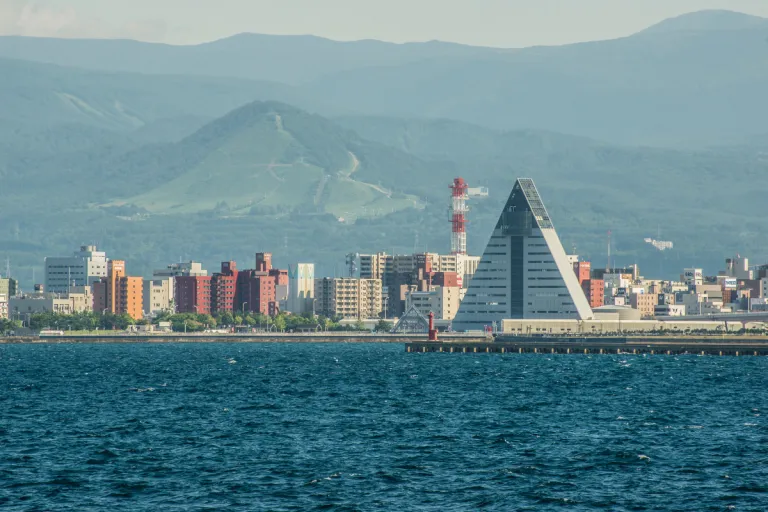 Image credit: StefanBaar | Canva Pro
For Japan, there is currently no indication of widespread travel disruption beyond temporary transport checks and localised impact in northern areas. Travellers heading to Tokyo, Osaka, Kyoto, Fukuoka, or other major tourist cities should monitor updates, but most of the country appears to be operating normally.
For Venezuela, the situation is much more serious and still developing. Travellers should avoid affected areas unless travel is essential. Those with upcoming plans should check the latest government travel advisories, airline updates, and accommodation policies before making any decisions.
A reminder to travel prepared
Earthquakes are unpredictable, but being prepared can make a real difference. Whether you are visiting Japan, South America, Southeast Asia, or any destination located near active fault lines, it helps to know the basics: where emergency exits are, what local alerts sound like, and how to contact your embassy or insurer if something goes wrong.
The Japan and Venezuela earthquakes are separate events, but together they highlight the same important travel lesson: stay informed, stay prepared, and always follow official safety guidance when travelling.

About Author

Aimi is the ultimate daydreamer with a flair for adventure and an avid novel reader with a soft spot for all things fairytale. She is known for her friendly demeanor, albeit with a bit of a short temper. Forever striving to live her cutesy yet demure life.