
Top 7 Desserts in the Philippines & Where to Find Them
Get your taste buds ready for some sweet treats, from the ever-famous Buko Pandan to Halo-Halo and Halayang Ube jam.

The Philippines’ warm tropical weather makes almost any day a good time for something cold and sweet. However, Filipino desserts offer far more than shaved ice alone.
Coconut, purple yam, custard, bananas, gelatin, and condensed milk appear in many of the country’s best-loved treats. Some are served at celebrations and family gatherings, while others are popular street snacks or pasalubong brought home from a particular province.
Get your sweet tooth ready for these seven must-try Filipino desserts and the places best known for serving them.
1. Buko Pandan from Nathaniels Bakeshop
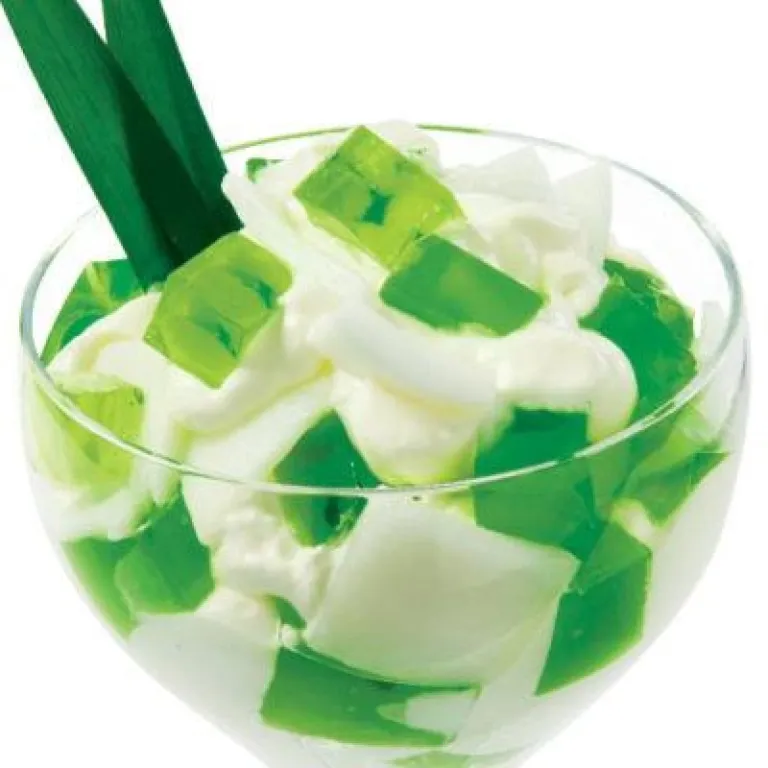
Image credit: Nathaniels
Where to find it: Nathaniel’s Bakeshop branches in Pampanga and Metro Manila
Young coconut, or buko, is one of the Philippines’ most versatile ingredients. Its soft flesh and refreshing flavour work especially well in cold desserts such as buko pandan.
This creamy dessert usually combines strips of young coconut, pandan-flavoured jelly, cream, and sweetened condensed milk. Some versions also contain nata de coco, tapioca pearls, or other chewy ingredients.
Nathaniel’s Bakeshop has been known for its buko pandan salad since 1994. Served thoroughly chilled, it is creamy without losing the fresh texture of the coconut and jelly.
It is also available in tubs, making it a convenient dessert to bring to a family gathering or enjoy at home.
2. Halo-Halo from Razon’s of Guagua
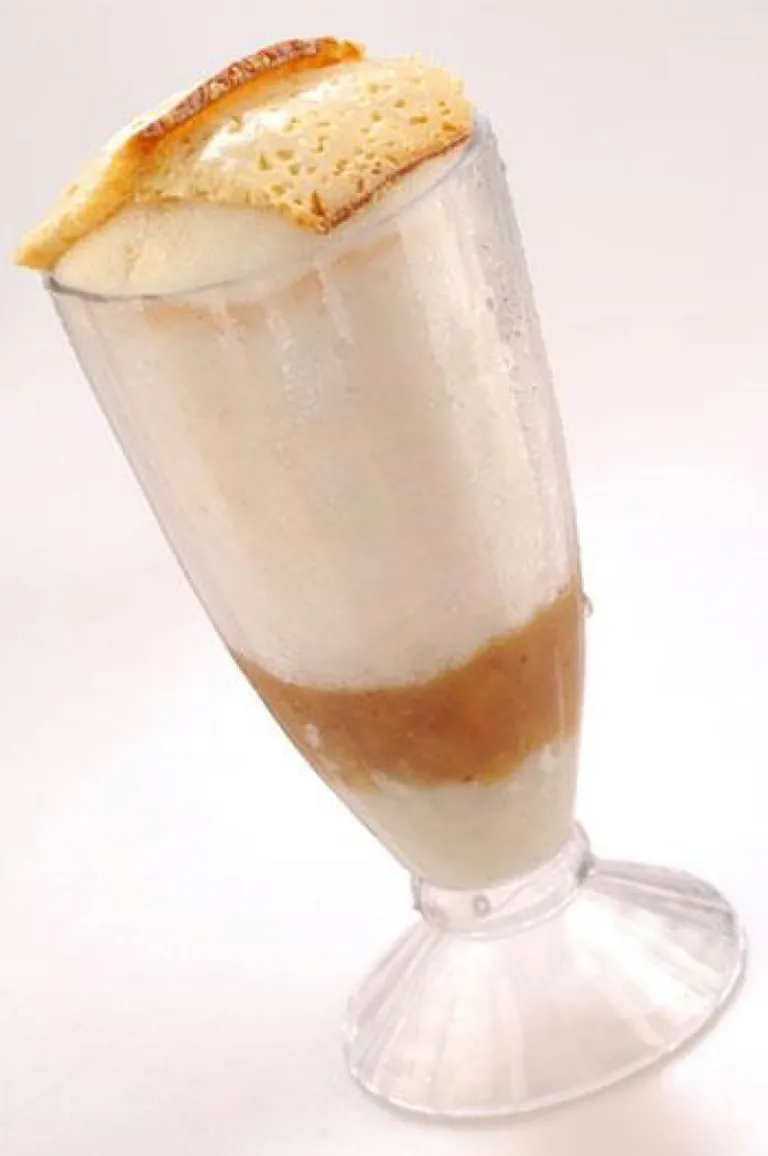
Image credit: Razon’s
Where to find it: Razon’s of Guagua branches around the Philippines
Halo-halo is one of the Philippines’ most famous desserts. Its name refers to the act of mixing its ingredients together before eating.
A traditional serving may contain crushed ice, evaporated milk, sweetened beans, fruit preserves, coconut strips, gelatin, sago, ube halaya, leche flan, and ice cream. However, recipes differ considerably between regions and restaurants.
Razon’s of Guagua is known for a deliberately simpler version. Beneath its finely shaved ice and creamy milk are sweetened saba bananas and macapuno, topped with a piece of leche flan.
The ice melts into the other ingredients as you stir, creating a smooth dessert with fewer competing textures than more elaborate versions of halo-halo.
3. Leche Flan from Bahay ni Tisa
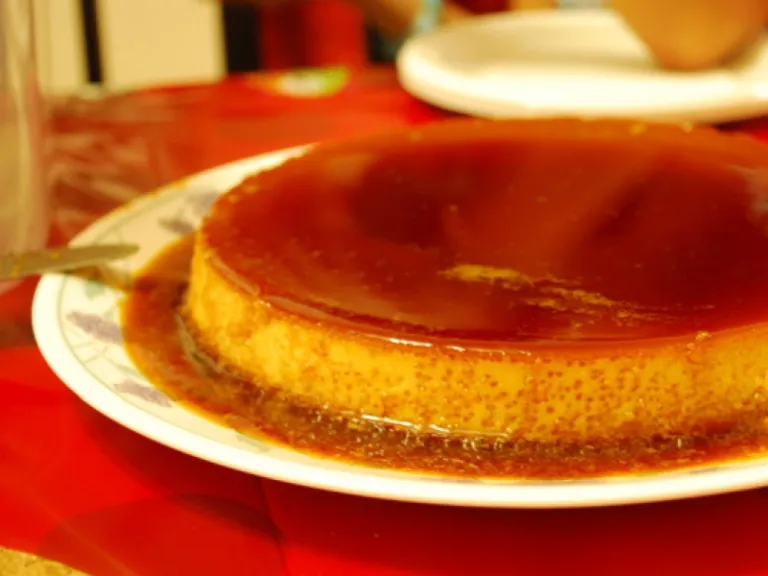
Image credit: chazzvid
Where to find it: Malolos, Bulacan
Leche flan is the Filipino version of crème caramel, made with egg yolks, milk, sugar, and a layer of golden caramel syrup.
Compared with some other custard desserts, Filipino leche flan is usually denser and richer because it commonly uses condensed and evaporated milk. It frequently appears at fiestas, birthdays, Christmas celebrations, and other special occasions.
Bahay na Tisa in Malolos serves traditional Filipino dishes in a heritage-style setting near the city’s historic centre. Its silky leche flan provides a sweet ending to a meal, with a creamy custard balanced by slightly bittersweet caramel.
The dessert is best shared, although you may quickly regret offering anyone else a spoonful.
4. Turon + Ice Cream from Luna J Filipino Gastropub

Image credit: looloo
Where to find it: Kanin Club branches in Metro Manila and Laguna
Turon is a popular Filipino snack made by wrapping saba banana in a thin spring-roll wrapper before frying it with caramelised brown sugar. Strips of ripe jackfruit are also commonly added.
Kanin Club gives the familiar street snack a playful twist with Turon KC. Its filling combines banana with ube jam, sweet coconut strips, and mung beans before being wrapped, fried, and served with ice cream.
The result resembles halo-halo transformed into a crisp dessert roll. Each bite brings together the warm, crunchy wrapper, soft fruit, creamy ube, and cold ice cream.
It is a satisfying choice for diners who cannot decide between turon, halo-halo, and an ice cream dessert.
5. Halayang Ube jam from Good Shepherd Convent
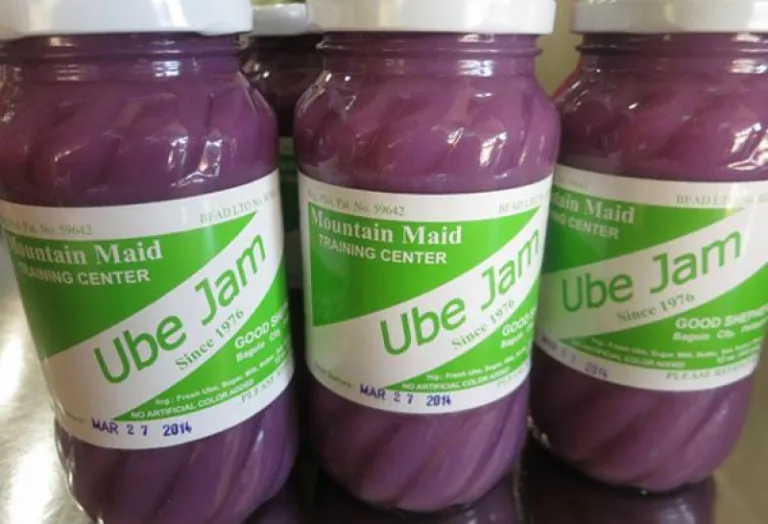
Image credit: Philstar
Where to find it: Good Shepherd Convent, Baguio City
Ube halaya is a thick Filipino dessert made by cooking purple yam with milk, sugar, and butter until it develops a smooth, rich consistency.
Good Shepherd Convent’s Mountain Maid ube jam has become one of Baguio’s most recognisable food souvenirs. Its creamy texture and distinct purple-yam flavour make it enjoyable on bread, crackers, or pastries — or simply eaten by the spoonful.
The convent’s food products help support educational and livelihood programmes, giving travellers another reason to purchase directly from its official shop.
Demand can be high, and purchase limits may occasionally be introduced when supplies are low. Arrive earlier in the day and check availability before making a dedicated journey.
For an especially indulgent combination, pair the ube jam with leche flan.
6. Cathedral Gelatin from Goldilocks
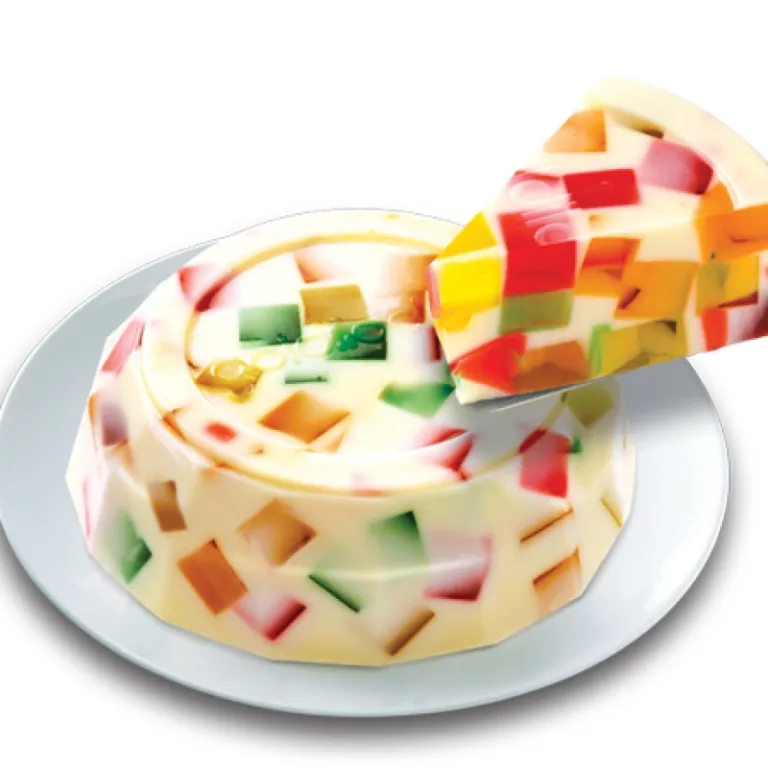
Image credit: Goldilocks
Where to find it: Participating Goldilocks branches around the Philippines
Cathedral Window is a colourful chilled dessert made with cubes of flavoured gelatin suspended inside a creamy, milk-based jelly.
The bright pieces resemble stained-glass windows, giving the dessert its name. Its soft texture, cheerful appearance, and large serving size have made it a familiar sight at Filipino parties, Christmas celebrations, and family gatherings.
Goldilocks helped popularise the dessert through its own Cathedral Window recipe. The creamy white base balances the sweeter fruit-flavoured gelatin, while each slice reveals a different pattern of colours.
Keep it chilled until serving, particularly in the Philippines’ tropical heat.
7. Pastel from Vjandep
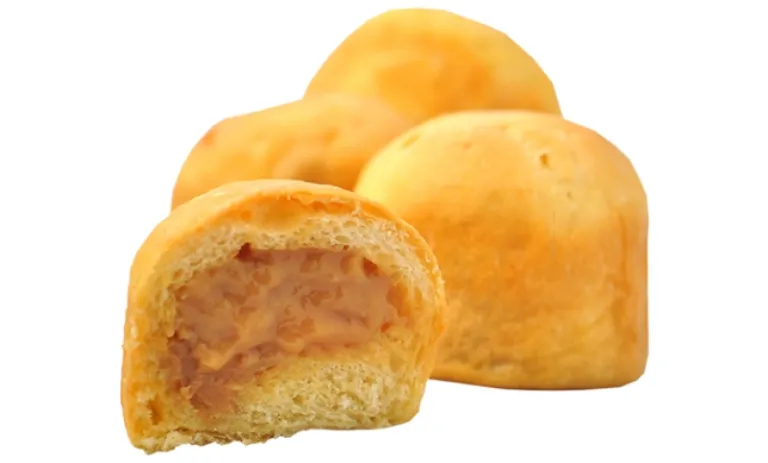
Image credit: Vjandep
Where to find it: Camiguin and Cagayan de Oro
Pastel de Camiguin is a soft bun filled with rich yema custard. It originated in Camiguin and has become one of the island province’s most popular pasalubong items.
VjANDEP is closely associated with the dessert. Its name comes from the founders, Virgilio Jose and Eleanor Popera, whose family developed and sold the recipe commercially.
The original version contains a smooth yema filling, but VjANDEP also offers other flavours such as ube, macapuno, cheese, chocolate, and durian.
The pillowy bread and sweet custard centre make pastel easy to enjoy as breakfast, merienda, or a late-night snack. Boxes are commonly brought home by travellers returning from Camiguin or Cagayan de Oro, although keeping one unopened until the journey ends may prove difficult.
Which Filipino dessert will you try first?
These seven treats represent only a small part of the Philippines’ dessert culture. Travellers can also look out for bibingka, puto bumbong, sapin-sapin, maja blanca, silvanas, sans rival, and regional rice cakes known collectively as kakanin.
Whether you prefer something icy, creamy, chewy, or freshly fried, you will rarely have difficulty finding a Filipino dessert that satisfies your craving.

About Author

Jihan is a neo-Vancouverite who is enjoying discovering her new "hometown". When she is not getting lost in this beautiful metropolitan, she is busy baking fluffy cakes, knitting warm blankets, biking through beach side trails and Netflix-ing any Anna Kendrick movie. While she has a degree in creative writing, she is (surprisingly) doing graphic design professionally. Currently, she is on the hunt (and saving up) for her next big adventure.