
Best Time to Visit Japan: A Month-by-Month Guide
When to go for cherry blossoms, perfect weather, and fewer crowds!

Ask anyone who has been, and they'll tell you the same thing: there's no bad time to visit Japan. But there are definitely better times, depending on what you're after.
From the electric pink of spring cherry blossoms to the deep crimson of autumn leaves, Japan's calendar is packed with moments that feel almost too beautiful to be real. The trick is matching your travel dates to the experience you want.
Here's our honest, month-by-month breakdown of when to go, and why.
At a Glance: Japan's Travel Seasons
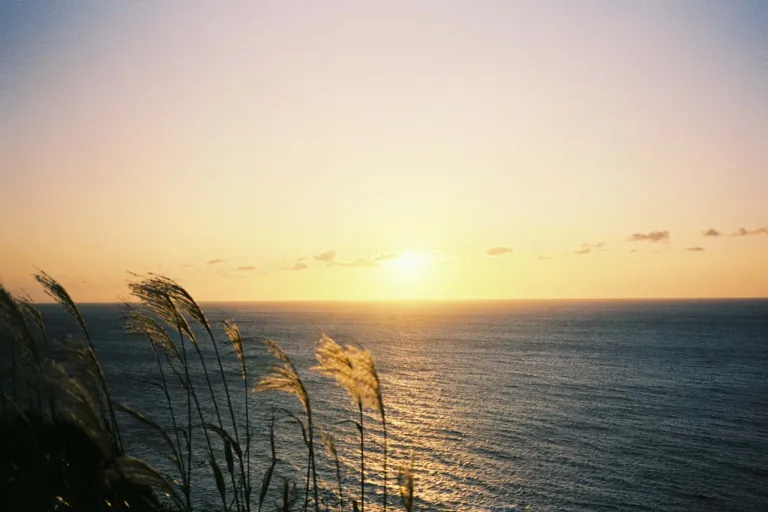 Image credit: Cecelia Chang
Season | Months | Vibe | Crowds | Cost |
|---|---|---|---|---|
Spring | March–May | Cherry blossoms, perfect weather | Busy | High |
Summer | June–August | Festivals, humidity, Mt Fuji climbing | Moderate | Medium |
Autumn | September–November | Crimson leaves, cool air | Busy | High |
Winter | December–February | Snow monkeys, powder skiing, fewer tourists | Quiet | Low–Medium |
Best for first-timers: Late March to early April, or November
Best on a budget: January to February (excluding New Year)
Best for avoiding crowds: January to February, or September
Spring (March to May)
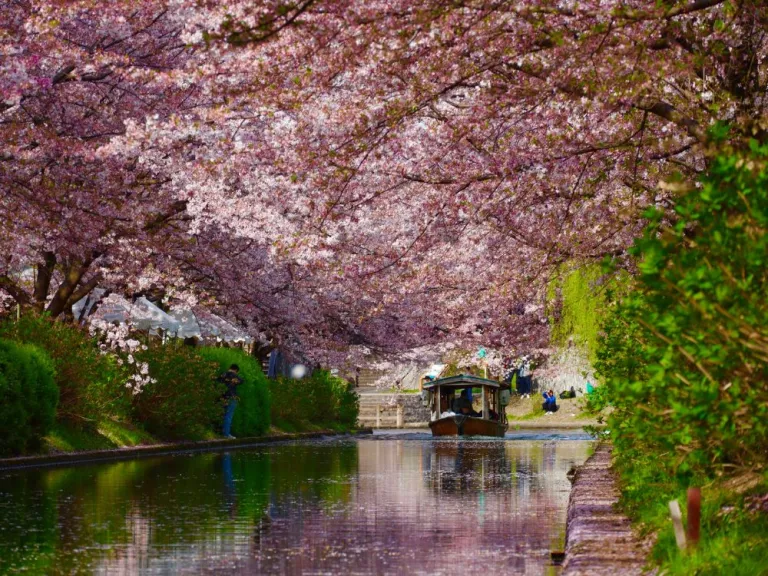 Image credit: flo Images from アフロ(Aflo)
Spring is Japan's superstar season. For good reason.
The weather is gentle — daytime temperatures hover around 15°C in March, rising to a comfortable 23°C by May. Humidity is low. Skies are clear. And, of course, the cherry blossoms (sakura) turn entire cities pink.
The catch? Everyone knows this. Expect crowded trains, premium hotel prices, and early bookings (think six months ahead for Kyoto).
Don't miss:
Late March to early April – Peak cherry blossom in Tokyo, Kyoto, and Osaka
Mid-to-late April – Blossoms move north to Sendai and Aomori
Late April to early May – Golden Week (Japan's national holiday week). Trains and hotels fill up completely. Book everything in advance or avoid it entirely.
What to pack: Layers. A light jacket for March. T-shirts by May. Comfortable walking shoes — you'll be on your feet a lot.
TripZilla tip: Worth the crowds if you've always dreamed of sakura. If not, consider November instead.
Summer (June to August)
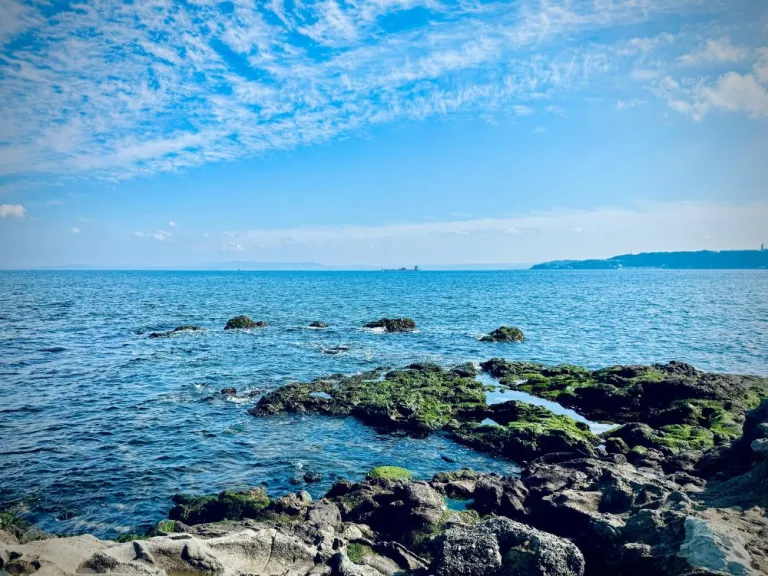 Image credit: BEI from Pexels
Summer in Japan is loud in the best possible way.
This is festival season. Think drumming processions, street stalls selling grilled squid, and nights lit by massive firework displays. It's also the season for climbing Mount Fuji (officially open July–August).
But be honest with yourself about the weather. June is the rainy season (tsuyu). July and August bring brutal humidity. Think 30°C with 80% humidity. You'll sweat through your shirt before breakfast.
Don't miss:
June – Hydrangeas bloom across Kamakura and Hakone (a good escape if the rain gets you down)
July – Gion Matsuri in Kyoto (one of Japan's biggest festivals)
August – Nationwide fireworks festivals; Obon holiday (mid-August, busy travel period)
What to pack: Lightweight, breathable fabrics. A folding umbrella (June). Sunscreen. A small towel for wiping sweat. Locals do this, and you'll understand why.
TripZilla tip: Great for festival lovers and Mount Fuji climbers. Tough for anyone who dislikes humidity.
Autumn (September to November)
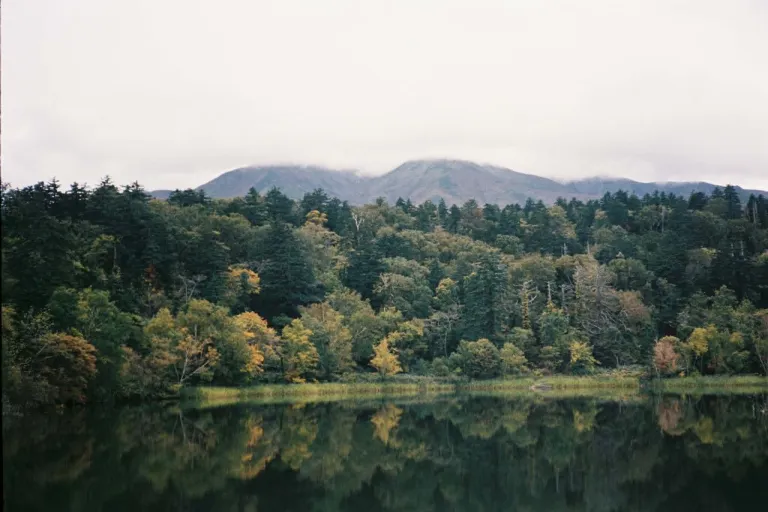 Image credit: Cecelia Chang
Ask seasoned Japan travellers for their favourite season, and many will say autumn.
The crowds are still noticeable, but they're spread out. The weather is crisp and clear — October and November are arguably better than spring, with lower humidity and fewer sudden rain showers. And the colours? Japan's autumn foliage (koyo) is every bit as stunning as the cherry blossoms.
September can be tricky. It's typhoon season, though most storms brush past without major disruption. By October, the risk drops significantly.
Don't miss:
Mid-October – Autumn colours begin in Hokkaido (northern Japan)
Early to mid-November – Peak foliage in Tokyo and Kyoto
Late November – Colours reach Kyushu in the south
What to pack: Layers again. A warm jumper by November. Comfortable boots for leaf-viewing walks.
TripZilla tip: The best overall season for weather, scenery, and manageable crowds. Highly recommended for first-timers who miss spring.
Winter (December to February)
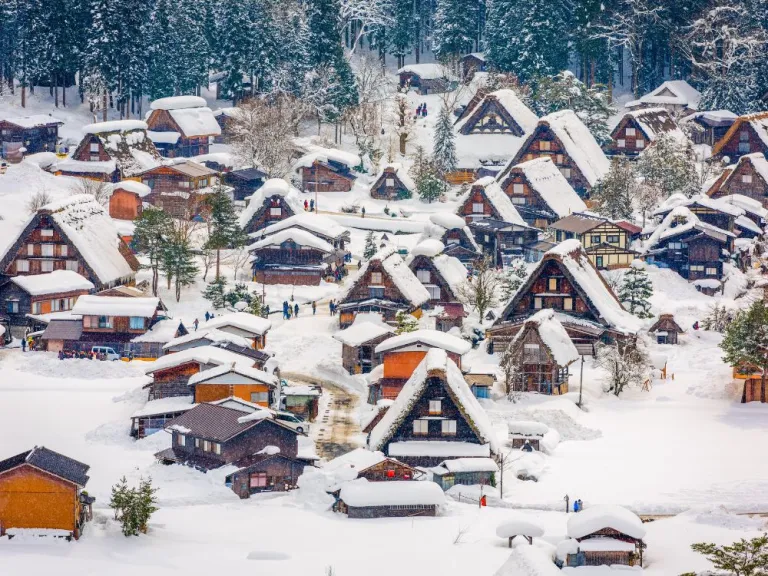 Image credit: Sean Provone via CanvaPro
Winter is Japan's best-kept secret.
Yes, it's cold. Tokyo sees temperatures around 5–10°C. Sapporo drops below freezing. But the skies are brilliantly blue — often clearer than any other season — and the crowds thin out dramatically outside of the New Year week.
The real magic? Snow country. Places like Shirakawa-go and Gifu's mountain villages look like they've been lifted from a fairy tale. The Japanese Alps offer world-class skiing that rivals the Alps. And the snow monkeys of Jigokudani bathing in hot springs? That's winter only.
Don't miss:
December – Illuminations across Tokyo and Osaka (spectacular and free)
January – Snow festivals in Sapporo (late January to early February)
February – Plum blossoms (ume) — a quieter, earlier alternative to cherry blossoms
What to pack: A proper winter coat. Thermal layers. Gloves and a hat if you're heading to the mountains. Waterproof boots for snow.
TripZilla tip: The best season for budget travellers and skiers. Also, the best time for seeing Japan without the crowds.
When to Book: A Quick Guide
Travel Period | When to Book | Pro Tip |
|---|---|---|
Cherry blossom (late March to early April) | 6+ months ahead | Hotels in Kyoto sell out overnight |
Golden Week (late April to early May) | 6+ months ahead | Honestly? Just avoid this week |
Autumn foliage (November) | 4–6 months ahead | Kyoto is busy, but other cities are fine |
Winter (Jan to Feb) | 2–3 months ahead | Great last-minute options |
Summer (July to Aug) | 3–4 months ahead | Book Mount Fuji huts early |
Our verdict?
Pick spring (late March to early April) if you want cherry blossoms and don't mind crowds.
Pick autumn (November) if you want stunning colours and better weather.
Pick winter (January to February) if you want fewer tourists and lower prices.
Skip summer unless you love festivals or plan to climb Mount Fuji.
Here's the truth: Japan is wonderful in every season. We've been in pouring rain and scorching heat, and still left smiling. The food, the people, the efficiency of the trains... and none of that changes with the weather. So perhaps the best time to visit Japan is whenever you are ready to!

About Author

Born in a new village in Selangor, Malaysia, Cecelia loves three things in life: Good food, good views, and good deals. She also enjoys exploring new places and experiencing new things on her travels.
Recommended Reads
8 Must-Visit Temples in Kyoto
Culture & Heritage
Geisha Hunting in Kyoto: How to Spot a Real One
Culture & Heritage