
5 Oceans of the World: Their Differences & Fascinating Facts!
First thing's first, can you name each of them?

You may be able to remember the seven continents of the world, but when it comes to the five oceans, can you name them one by one?
When we look at a map, we see one giant blue mass. But for the modern explorer, the world’s oceans are five distinct personalities, each offering a completely different "vibe" for your next adventure. Here is how the world’s oceans stack up, and how you can explore them accordingly, whether you’re chasing tropical luxury or the raw edge of the Earth.
Five Oceans of the World
1. Pacific Ocean
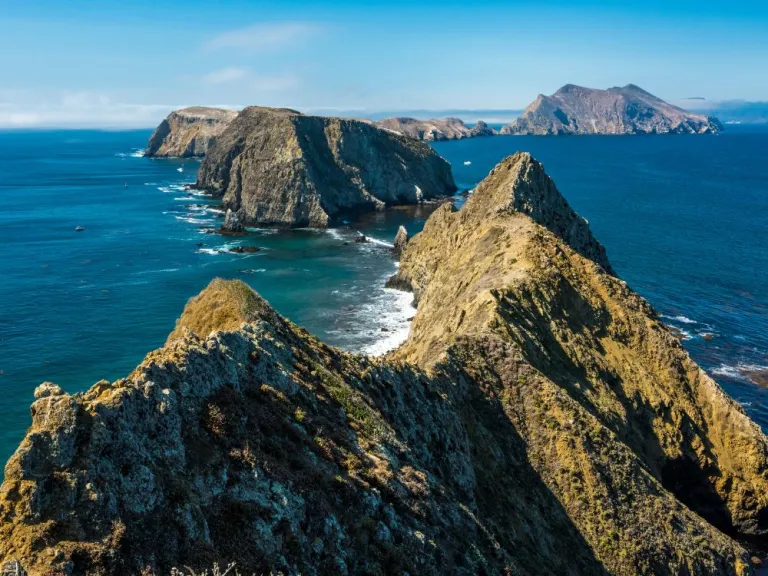 Image credit: Kelly vanDellen via CanvaPro
The Pacific Ocean is the undisputed giant of the group. Covering a third of the planet, it is the largest and deepest body of water we have. It is home to the dramatic "Ring of Fire", where volcanic power shapes the landscape between Asia, Oceania, and the Americas.
For travellers, it serves as the "Island Hopping" capital of the world. Indeed, if you were to spend a single day on every island in the Pacific, you would find yourself travelling for over 50 years.
Depth: It is the deepest ocean on Earth, averaging 4,000 metres and reaching nearly 11,000 metres at the Mariana Trench.
Location: It spans the vast space between Asia and Oceania to the west and the Americas to the east.
2. Atlantic Ocean
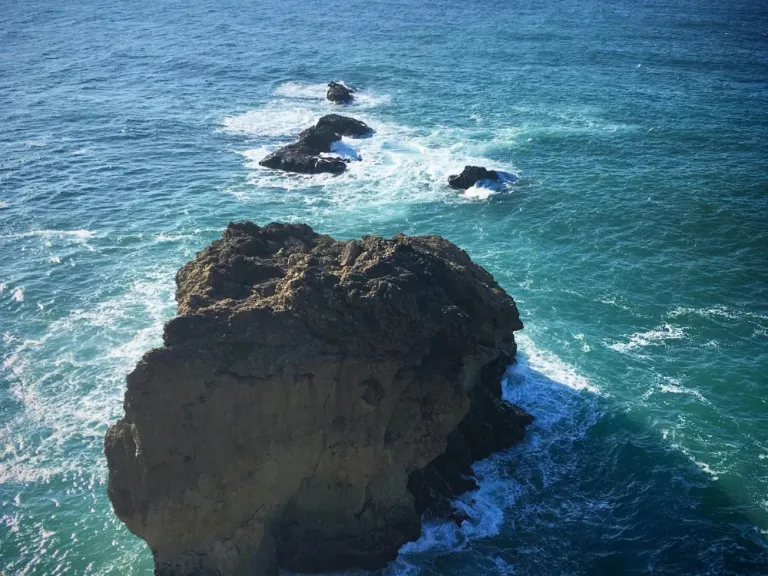 Image credit: Sergei Gussev from Pexels via CanvaPro
If the Pacific is the giant, then the Atlantic Ocean is the world’s busiest highway. As the second-largest ocean, it acts as the vital bridge separating the "Old World" of Europe and Africa from the Americas.
It is the heart of global shipping and trade, and it even hosts the most popular flight path in the sky between London and New York. If you have ever enjoyed a sunset on a Portuguese beach or a classic transatlantic cruise, you have felt its constant, rhythmic energy.
Depth: It is the second-deepest ocean, with an average depth of 3,600 metres and a maximum depth of over 8,300 metres in the Puerto Rico Trench.
Location: It serves as the great central basin separating the Americas from Europe and Africa.
3. Indian Ocean
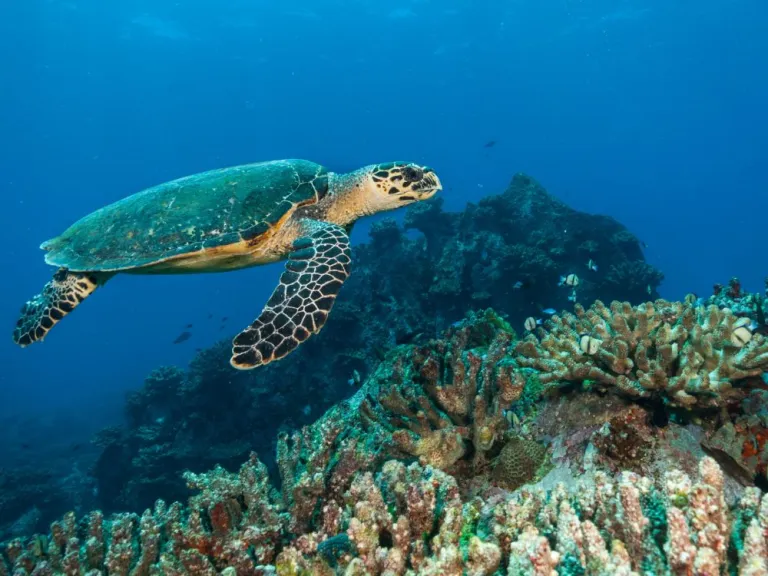 Image credit: Jag_cz from Getty Images via CanvaPro
For those seeking that "no-filter" turquoise water, the Indian Ocean is the ultimate destination. As the warmest ocean on Earth, it is tucked between Africa, Asia, and Australia. It is famous for its strong monsoon patterns that create the lush, tropical landscapes of places such as Sri Lanka.
This is where you find the world's most iconic "Blue Health" retreats, especially amongst the overwater bungalows of the Maldives.
Depth: It maintains an average depth of 3,700 metres, with its deepest point being the Java Trench at approximately 7,100 metres.
Location: It is bordered by Africa to the west, Asia to the north, and Australia to the east.
4. Southern/Antarctic Ocean
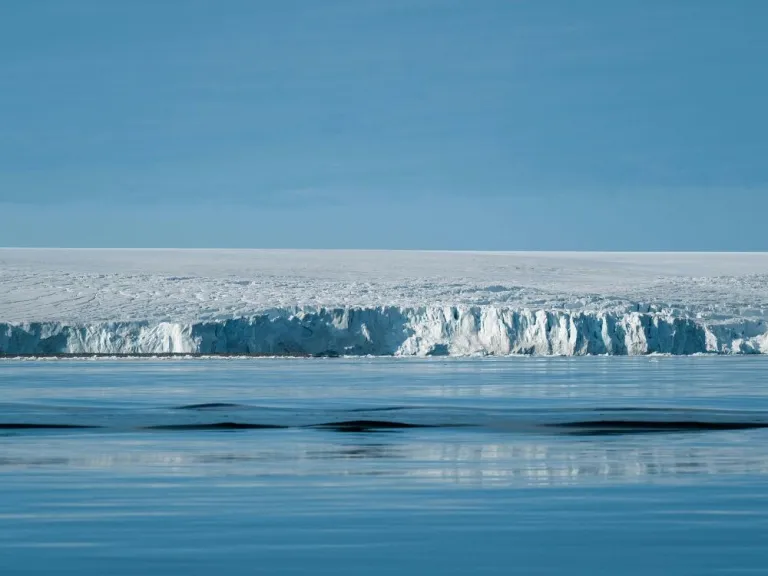 Image credit: Francesco Ungaro from Pexels via CanvaPro
Moving towards the bottom of the globe, the Southern Ocean is the raw and untamed frontier. It was the last ocean to be officially recognised and surrounds Antarctica.
It is the coldest and windiest of them all, playing a massive role in regulating the Earth’s climate. To reach the Antarctic Peninsula, you must cross these legendary waters, making it a "must-do" for any serious expedition traveller.
Depth: It is a consistently deep body of water, averaging between 4,000 and 5,000 metres and reaching 7,200 metres at the South Sandwich Trench.
Location: It is defined by its unique position, surrounding the continent of Antarctica.
5. Arctic Ocean
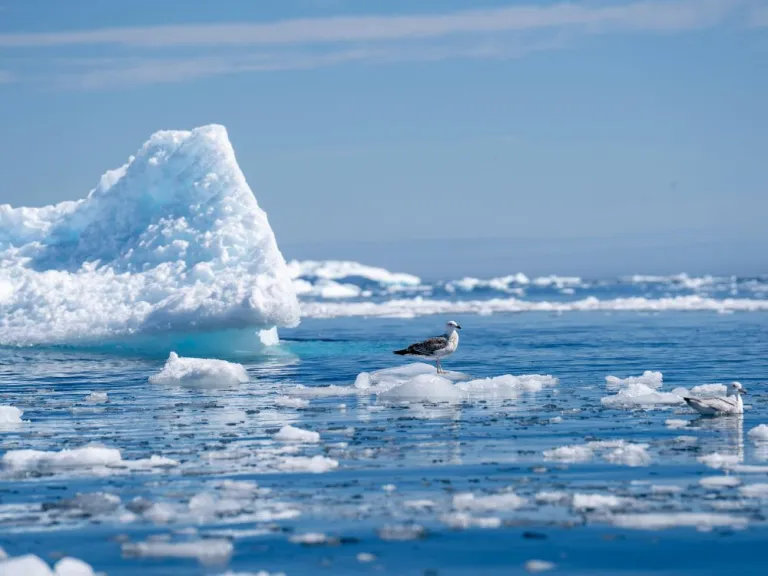 Image credit: Jan Tang from Pexels via CanvaPro
Finally, at the very top of the world lies the Arctic Ocean. It is the smallest and shallowest of the five, mostly contained within the Arctic Circle. Because it is covered in sea ice for much of the year, it remains a fragile and mysterious ecosystem.
For the dreamer, it is the premier destination for "Northern Lights" cruises. Without the interference of city lights, the Aurora Borealis shines here with a clarity you simply will not find anywhere else on Earth.
Depth: It is the shallowest ocean by far, with an average depth of only 1,200 metres and a maximum depth of 5,500 metres.
Location: It is located at the top of the world, encircled by the northern coasts of North America, Europe, and Asia.
Which Ocean is Calling You?
For the Adrenaline Junkie: The Pacific or Southern Oceans.
For the Luxury Seeker: The Indian Ocean.
For the Cultural Explorer: The Atlantic Ocean.
For the Dreamer: The Arctic Ocean.
Planning a trip across one of these vast blues in 2026? Remember to check the seasonal weather patterns (like the Indian Ocean monsoons) to ensure your travel moment isn't rained out!

About Author

Born in a new village in Selangor, Malaysia, Cecelia loves three things in life: Good food, good views, and good deals. She also enjoys exploring new places and experiencing new things on her travels.
Recommended Reads
22 Photos That Will Make You Want to Live in Davao for Good
Inspiration Mondays
11 Fun Facts You Probably Didn’t Know About Poland
Culture & Heritage